Wood vs Plastic Beehives: Which Material Wins?
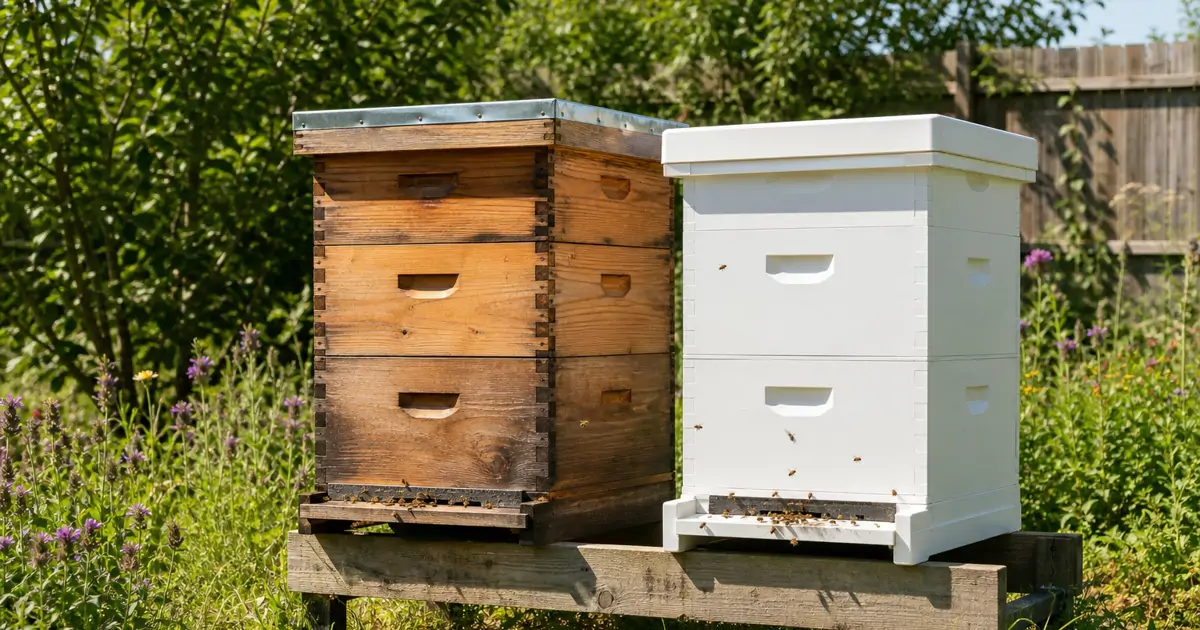
Wood vs Plastic Beehives: Which Material Wins?
Anyone shopping for their first hive eventually runs into the same fork in the road: wood or plastic? It seems like a small decision, but the material a hive is built from affects everything from how the colony regulates temperature to how much time a beekeeper spends on maintenance every season. This choice touches beginners buying their first starter kit just as much as experienced hobbyists expanding an existing apiary.
There is no universally correct answer, which is exactly why the debate over beehive material wood vs plastic keeps coming up in beekeeping forums and local club meetings. Climate, budget, physical strength, and even personal patience for woodworking projects all factor into which material makes more sense for a given setup. This article breaks down the practical differences between wood and plastic hive components, including bodies, frames, and foundation, so that the decision is based on how each material actually performs rather than on marketing claims or tradition alone.
Readers will come away understanding not just which material costs less upfront, but which one tends to cost less over five or ten years, how bees themselves respond to each surface, and where many beekeepers make choices they later regret.
Comparison Table
Before getting into the reasoning behind each factor, it helps to see the differences laid out directly. The table below reflects the most commonly reported experiences among beekeepers working with both materials across varying climates.
| Factor | Wood | Plastic |
|---|---|---|
| Initial cost | Moderate to high, especially with cedar or cypress | Lower to moderate, depending on brand and thickness |
| Weight | Heavier, harder to move when full of honey | Lighter, easier for solo hive lifts |
| Insulation | Naturally better thermal buffering | Poor insulation unless double-walled or foam-based |
| Weather resistance | Requires paint or sealant; can rot if neglected | Resistant to rot and moisture damage |
| Bee acceptance | Generally accepted quickly, especially once waxed | Sometimes slower acceptance, particularly with plastic foundation |
| Longevity | 10-20+ years with proper maintenance | 15-25+ years with minimal upkeep |
| Repairability | Easy to patch, sand, or rebuild | Difficult to repair once cracked |
The comparison above makes it clear that neither material dominates every category. Wood tends to win on insulation and bee acceptance, while plastic often wins on weight and weather resistance. The right choice depends heavily on which of those factors matters most in a specific backyard setup.
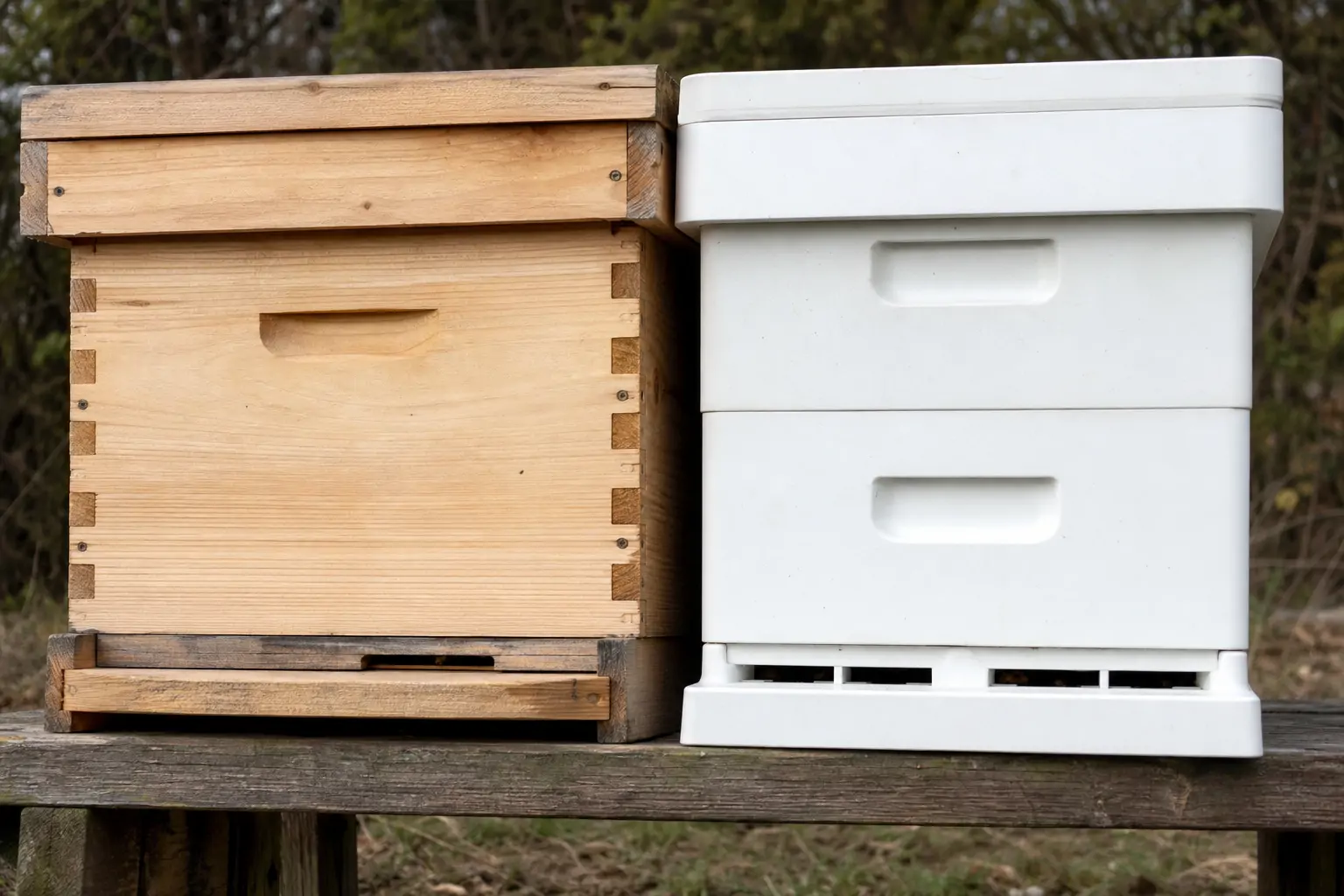
Which Option Works Best for Your Apiary?
Climate is probably the single most overlooked variable in this decision. Beekeepers in regions with harsh winters frequently report that a wooden hive body helps colonies retain cluster warmth more effectively, since wood has natural insulating properties that plastic lacks unless it has been specifically engineered with foam cores. In hot, humid climates, however, plastic's resistance to warping and rot can outweigh the insulation advantage, since wood left unpainted or poorly sealed in humid conditions tends to swell, crack, or attract mold over time.
Physical ability matters more than most new beekeepers expect. A deep wooden hive body filled with honey can weigh well over 80 pounds, and lifting that repeatedly during inspections is a real consideration for anyone with back problems or limited mobility. Plastic hive bodies, particularly the one-piece polystyrene designs, are noticeably lighter and easier to manage solo, which is one reason they have gained popularity among beekeepers managing several colonies without help.
Cost is rarely as simple as comparing sticker prices. Unpainted pine boxes are often the cheapest option at purchase, but they require ongoing maintenance, including repainting every few years, which adds both time and money. Higher-grade plastic hives cost more initially but generally need little beyond an occasional cleaning. Anyone calculating the best beehive material for their situation should think in terms of total cost over a decade, not just what shows up at checkout.
One practical insight often missing from beginner guides is that mixing materials across a single hive is completely normal and, in many cases, a smart compromise. Plenty of beekeepers use wooden boxes for the brood chamber, where insulation and bee acceptance matter most, while using plastic honey supers, which are lighter and easier to carry when full during harvest season.
A hive built entirely from one material is not required for a colony to thrive, and understanding this flexibility can save money while still capturing each material's strengths.
Advantages and Disadvantages of Each Material
Durability and Weather Resistance
Wood has a long track record, largely because it was the default material for over a century of modern beekeeping, but that history comes with maintenance obligations. Left untreated, wood absorbs moisture, which leads to warping, cracking, and eventually structural failure at the joints. A coat of exterior paint, ideally a light color that reflects heat, extends lifespan significantly, and many long-term beekeepers treat repainting as a routine part of hive stand height adjustments and general apiary upkeep each spring.
Plastic, particularly high-density polyethylene or injection-molded polystyrene, shrugs off moisture and does not rot. It will not need painting to survive weather exposure, though UV exposure over many years can make some plastics brittle, especially cheaper models. One frequently overlooked consideration is that plastic hive bodies can become slippery when wet, which matters during inspections in rainy climates.
Wooden vs Plastic Frames
The frame debate deserves its own attention, since it is arguably more contentious than the box material debate. Wooden frames with wax foundation have been the traditional standard, and many beekeepers report that bees draw comb on them more readily and with less hesitation. Wooden frames also tend to be easier to repair, since a cracked side bar can be replaced without discarding the entire frame.
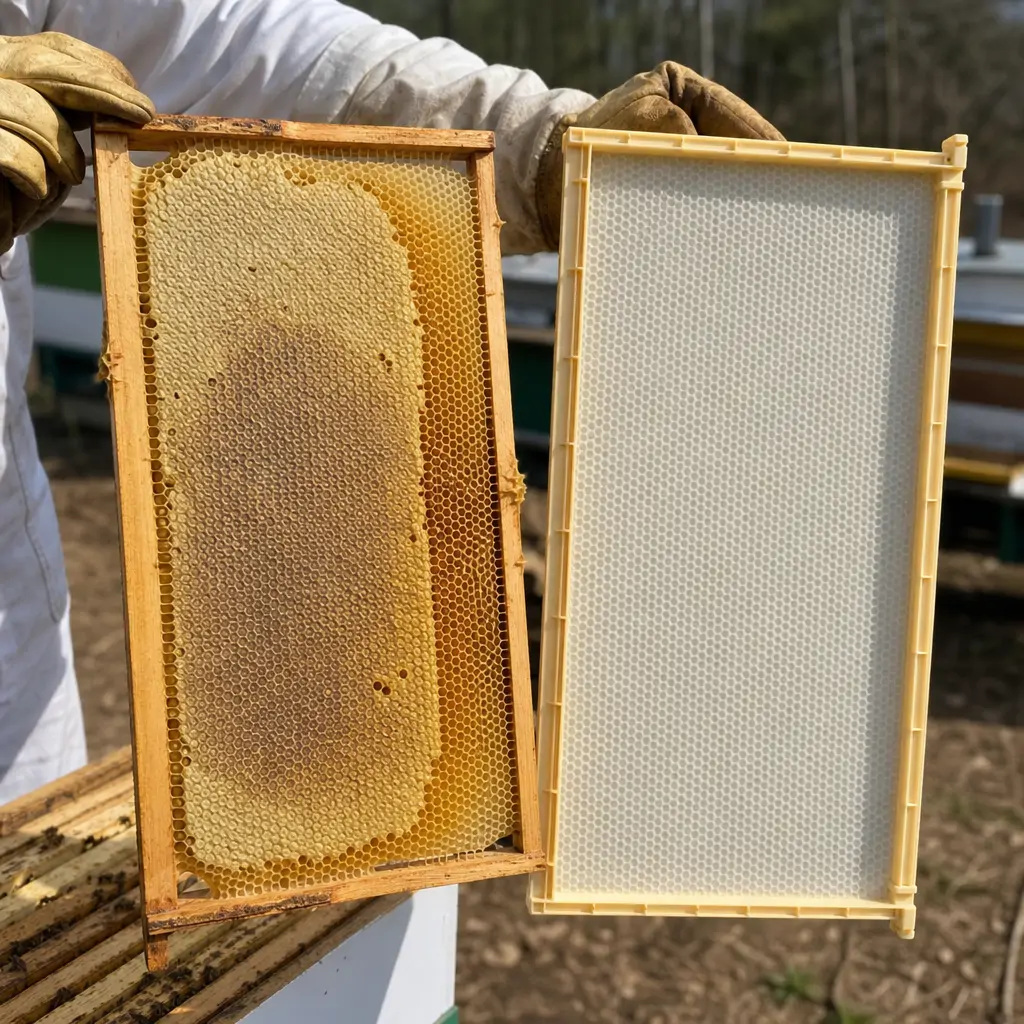
Plastic frames, especially those with a pressed wax coating, have improved considerably over the past couple of decades, but bee acceptance can still be inconsistent. A common challenge reported by beekeepers switching to plastic is that bees sometimes ignore plastic foundation for weeks before finally drawing comb, particularly if the coating is thin or the plastic has an off-putting factory smell. Coating plastic frames with a thin layer of fresh beeswax before installation is a widely used trick that noticeably improves acceptance rates.
For beekeepers deciding between wooden vs plastic frames, the honest answer is that plastic works well in an established, already-drawn hive where bees simply reuse existing comb, but wood tends to perform better in a brand-new colony that needs to draw comb from scratch.
Common Mistakes When Choosing Materials
A recurring mistake among newer beekeepers is choosing a material based purely on initial price without factoring in climate or physical demands. Buying the cheapest unpainted wooden hive and then neglecting to paint it is one of the most common and costly errors, since untreated wood can deteriorate within just a few seasons in wet climates. Another frequent misstep is assuming plastic requires zero maintenance forever; while it resists rot, joints and hinges on plastic hives can still wear out and should be checked periodically.
It is also worth noting that hive material choice interacts with other decisions covered elsewhere in beekeeping planning, such as choosing a beehive type, migratory vs permanent hives, and even what color to paint a beehive, since paint choice matters far more for wood than for plastic. Beekeepers weighing langstroth vs top bar hive designs will also find that material considerations shift somewhat, since top bar hives are almost always built from wood due to their sloped-side construction, which is difficult to replicate cost-effectively in molded plastic.
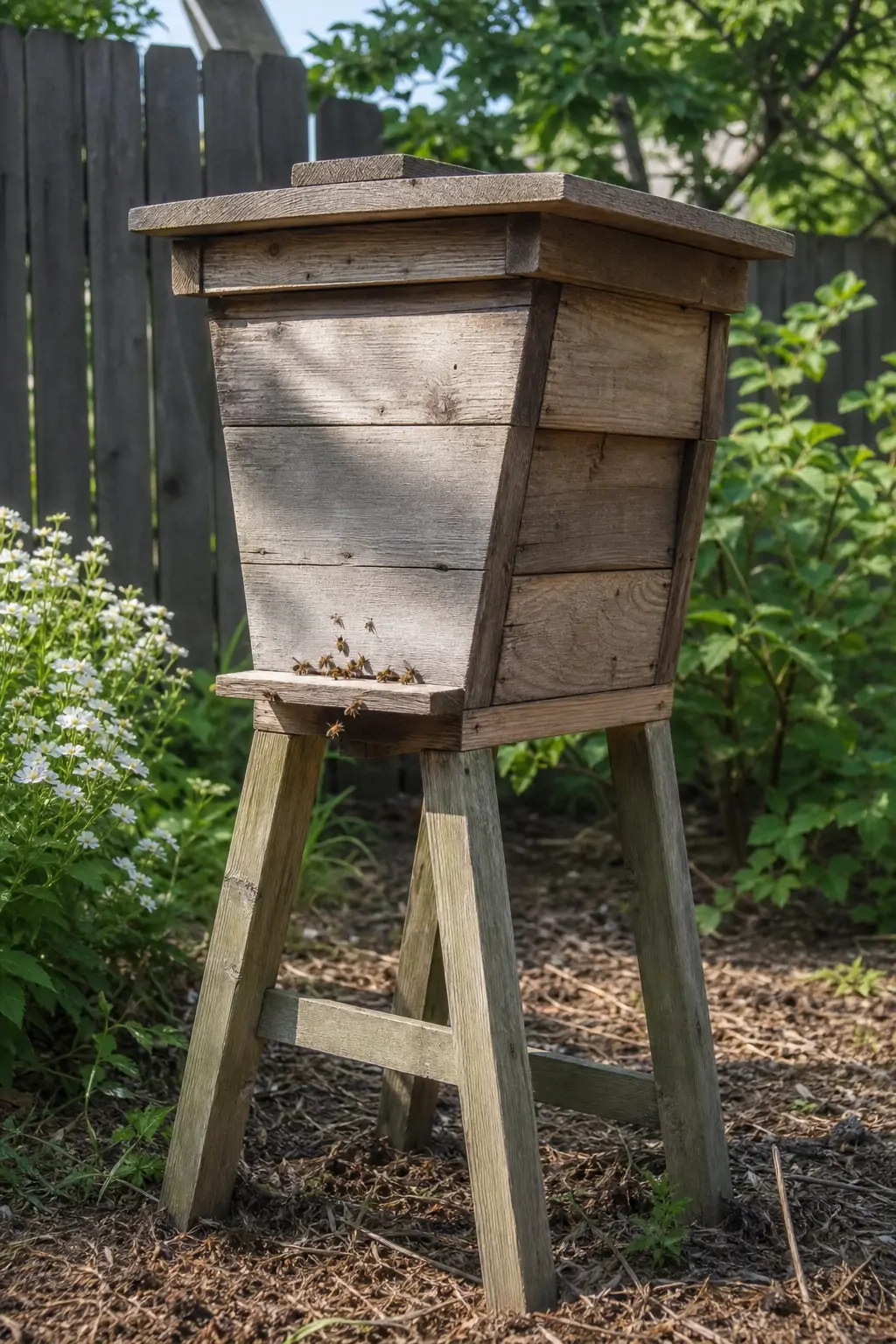
Recognizing these overlapping decisions early prevents a beekeeper from having to backtrack later, such as repainting a hive that was never properly sealed or replacing frames that bees refused to draw comb on for an entire season.
Choosing between wood and plastic ultimately comes down to matching material properties to real, local conditions rather than following whichever option seems more popular online. Wood offers better natural insulation and generally faster bee acceptance, while plastic offers lower long-term maintenance and easier handling for anyone managing multiple colonies or dealing with physical limitations.
Many successful beekeepers do not pick one material exclusively but blend both, using wood where insulation and acceptance matter most and plastic where weight and durability offer the bigger advantage. Whichever combination fits a given apiary, understanding these trade-offs before buying equipment saves both money and frustration down the road.