Beekeeping Suit and Protective Gear: A Complete Guide
Beekeeping Suit and Protective Gear: A Complete Guide
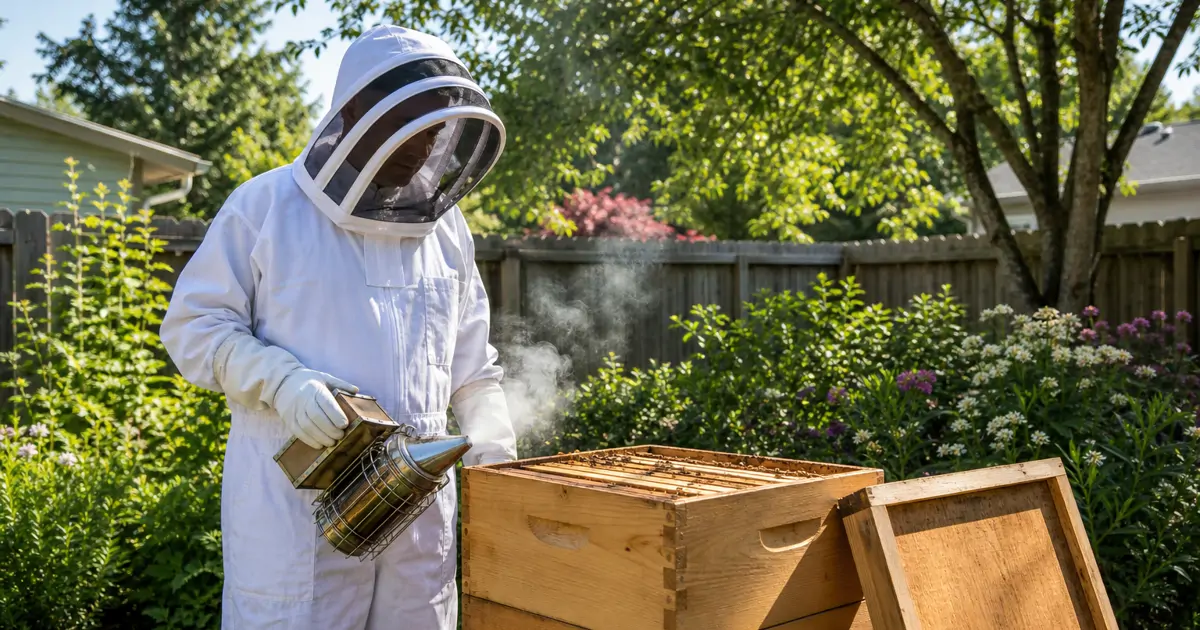
Anyone who has stood beside an open hive during an inspection knows that bees notice movement, smell, and vibration long before a human notices them. Protective gear is the buffer between a calm inspection and a defensive response from the colony, and choosing the right combination of suit, veil, and gloves shapes how confident a new beekeeper feels every time the hive lid comes off.
For beginners, gear decisions often get rushed. A starter kit arrives with a suit that seems fine in the box, and the details only become obvious weeks later, in the middle of a hive check, when a seam gaps open or a glove cuff rides up. This guide goes beyond the basic recommendation to buy protective gear and instead explains how the different pieces work together, where they commonly fail, and how to match gear to a person's climate, hive temperament, and comfort level.
Readers will come away understanding the real differences between full suits and jackets, what actually matters in veil construction, how to evaluate gloves beyond material alone, and which small details separate gear that holds up for years from gear that gets replaced after one season.
Why Protective Gear Matters More Than Beginners Expect
New beekeepers sometimes assume that gentle bee breeds or a slow, careful approach will be enough to avoid stings. In practice, even calm colonies react defensively during certain periods, such as a nectar dearth, a queenless spell, or a sudden change in weather. A colony that was easygoing in June can turn noticeably more defensive by late August, and gear that felt like overkill in spring becomes essential by midsummer.
There is also a psychological factor that rarely gets discussed. A beekeeper who trusts their beekeeping protective gear moves more slowly and deliberately during inspections. Hesitant, jerky movements caused by fear of stings actually agitate bees more than confident, steady handling. In this sense, well-fitted gear does more than prevent stings directly, it changes the beekeeper's behavior in ways that keep the whole inspection calmer.
A common mistake among beginners is treating gear as a one-time purchase rather than a system that needs occasional adjustment. Suits stretch, elastic wears out, and zippers weaken with repeated use. Skipping a pre-season check of the suit's seams and closures is one of the most avoidable causes of mid-inspection stings.
Takeaway: protective gear influences both physical safety and how calmly a beekeeper handles the colony, so it deserves more attention than a single purchase decision.
Beekeeping Suits and Jackets: Full-Body Protection Options
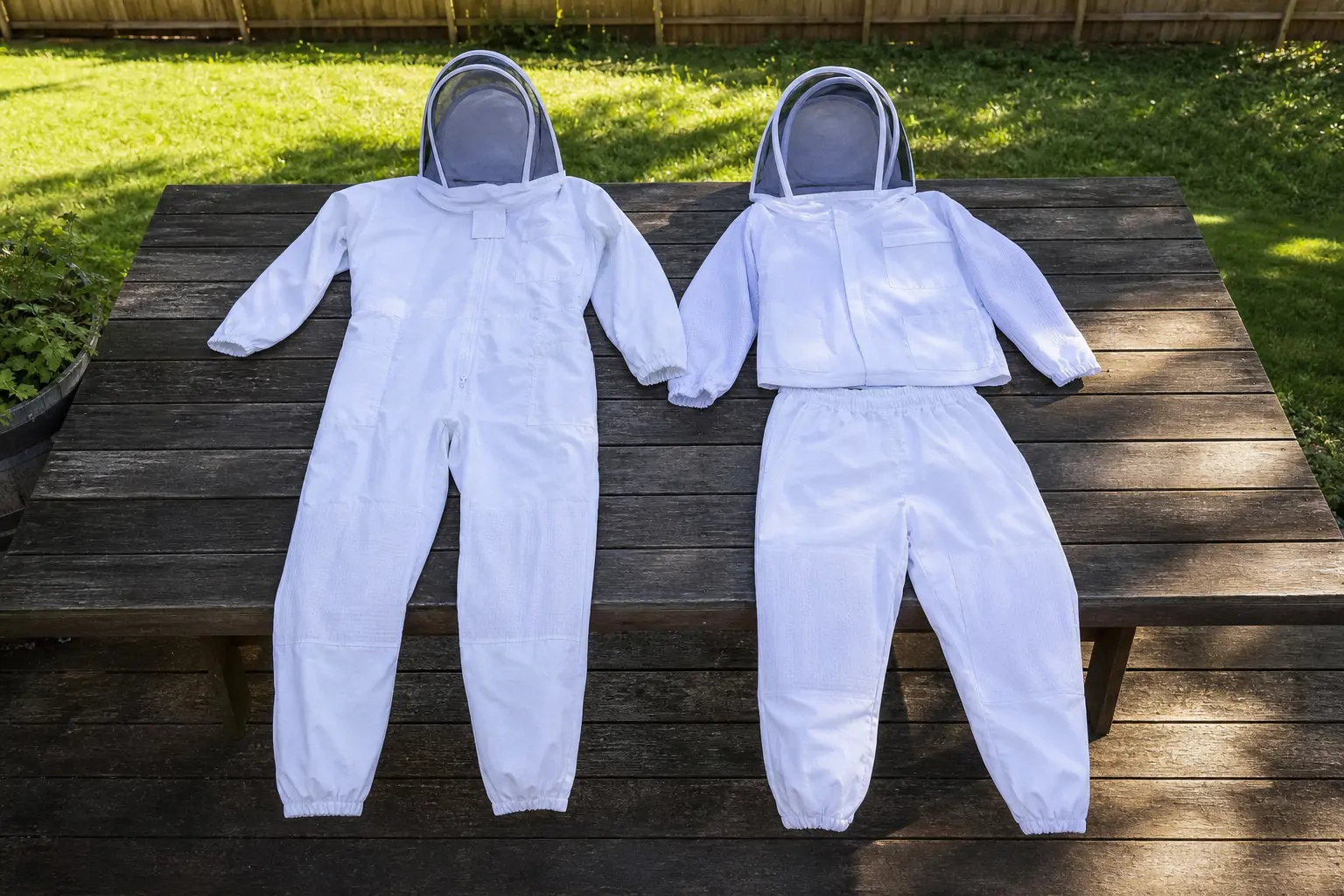
A traditional beekeeping suit covers the body from ankle to wrist to head in one connected piece, usually with a zip-on or built-in veil. Jackets, by contrast, cover only the upper body and are paired with separate pants or jeans. Both qualify as legitimate bee veil and jacket setups, and the right choice depends less on brand preference and more on climate, hive placement, and how the hives are approached during inspections.
Full suits make sense for anyone working hives in taller grass, near brush, or in areas with more defensive bee genetics. The continuous coverage means there is no gap at the waistline where a sting can slip through when a beekeeper bends over a hive body. Jackets appeal to people working in hot climates who want more airflow around the legs, or to those who already feel confident about their colony's temperament and mainly want head and torso protection.
Full Suit vs. Jacket and Veil Combo
The most overlooked factor in this comparison is not coverage but mobility. Full suits with built-in boots or elastic ankle cuffs prevent ground-level stings but can feel restrictive when climbing a step stool to check a top hive body. Jacket-and-pants combinations allow more natural movement but depend heavily on how well the pants tuck into boots, since gaps at the ankle are one of the most common entry points for stings during inspections.
Cost also plays a role that beginners rarely anticipate. A single well-made full suit often lasts several seasons longer than a jacket paired with separate pants, simply because it has fewer wear points and no waistband seam to fail. Anyone building out a beekeeping starter kit should weigh the higher upfront price of a full suit against its typically longer service life.
Fabric and Ventilation Considerations
Ventilated suits, built from mesh layers with airspace between the outer and inner fabric, have become popular for good reason. They reduce heat buildup significantly compared to standard cotton or polycotton suits, which matters most during summer inspections in warmer states. Manufacturers often market this mesh construction as sting-proof fabric, since the airspace keeps a stinger from reaching skin even when a bee lands directly on the shoulder or back. The tradeoff is price and, in some designs, slightly reduced durability of the mesh layer against thorny brush or rough handling.
Standard woven suits remain a reasonable choice for beekeepers in cooler climates or those who only inspect hives briefly. They tend to be more affordable and more resistant to snags, though they trap heat noticeably during midday inspections in hot weather. A frequently overlooked consideration is suit color: white and light shades are traditional because bees respond more calmly to light, non-reflective colors than to dark or shiny fabrics, which can trigger defensive behavior similar to how bees react to dark-furred animals near a hive.
Takeaway: full suits generally offer more consistent protection and durability, while jackets suit warmer climates and beekeepers who prioritize mobility over maximum coverage.
Veils, Gloves, and the Overlooked Details
The veil is arguably the single most important piece of a beekeeping suit, because a sting near the eyes or throat is far more alarming and potentially serious than a sting on a gloved hand. Round veils, square veils, and fencing-style veils all protect the face, but they differ in visibility and how they perform in wind. Fencing veils tend to offer wider peripheral vision, which some beekeepers find reduces startled movements during inspections since they can see bees approaching from the side rather than only from the front.
Whatever style is chosen, the veil's mesh must sit far enough from the face that a bee cannot sting through fabric pressed against skin. This sounds obvious, but it is one of the most common mistakes with protective gear. Wind, sweat, or an old veil with weakened wire framing can cause the mesh to collapse inward against the cheek or nose, and a sting through the veil at that point is entirely preventable with a properly tensioned frame.
Choosing the Best Beekeeping Gloves
Gloves generate more disagreement among beekeepers than almost any other piece of gear, and the debate usually comes down to a tradeoff between protection and dexterity. Thick leather gauntlet gloves offer strong sting resistance and long cuffs that guard the forearm, but they reduce fine motor control, which matters when handling frames covered in bees or attempting delicate queen work. Most lists of the best beekeeping gloves rank leather gauntlets highest for beginners precisely because they forgive clumsy handling while confidence is still building.
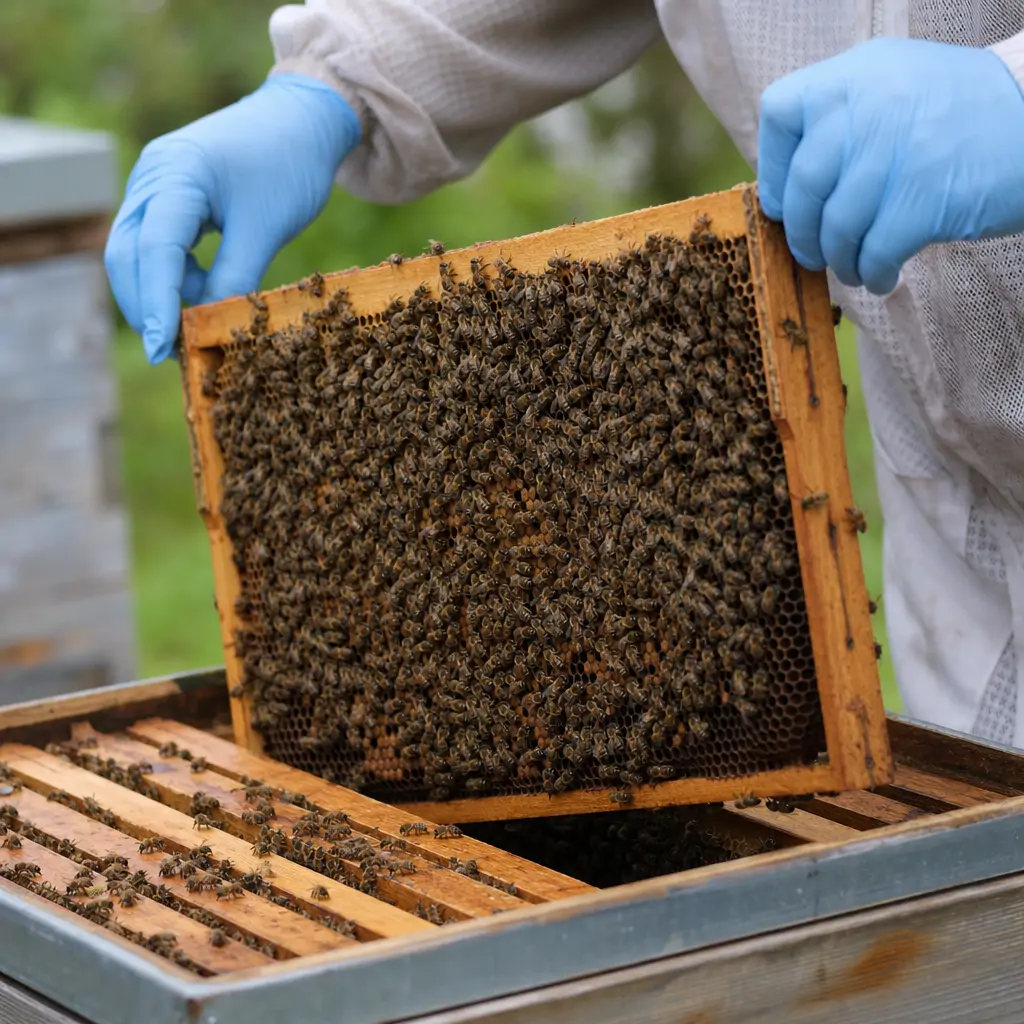
Nitrile or thin synthetic gloves, sometimes paired with a light cotton undersleeve, allow much better grip and feel. Many experienced beekeepers eventually migrate toward thinner gloves as their comfort with bees grows, since fine control reduces accidental crushing of bees, which in turn reduces defensive stinging in the first place. For someone just starting out, however, thicker gloves reduce the fear factor that often leads to jerky, bee-agitating movements.
Glove Materials Compared
Leather remains the most sting-resistant option and holds up well to repeated washing, though it can feel stiff in cold weather and slippery when coated in propolis. Nitrile gloves are inexpensive, disposable, and offer decent short-term sting resistance, making them a reasonable choice for quick hive checks rather than lengthy inspections. Goatskin, a lighter leather variant, splits the difference by offering better dexterity than cowhide while still resisting most stings.
A practical insight often missing from generic gear guides: propolis buildup on gloves over a season actually adds a layer of natural stiffness and some sting resistance, but it also makes gloves harder to clean and can crack certain synthetic materials over time. Rotating between two pairs of gloves extends the usable life of each set considerably.
Common Mistakes With Protective Gear
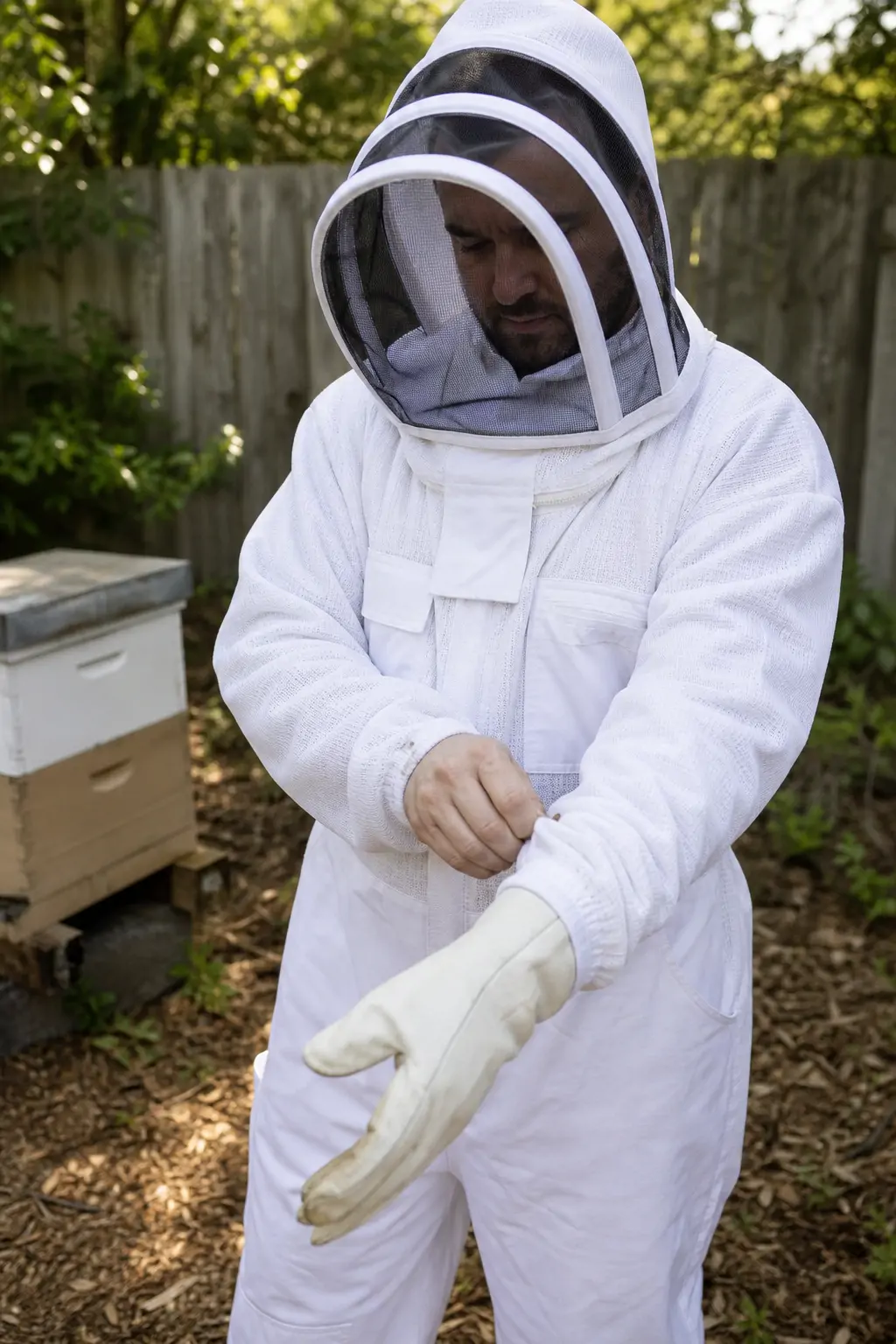
Beyond glove and suit choice, several small errors show up repeatedly among beginners. Leaving gaps at the wrist where sleeve meets glove is one of the most frequent causes of stings during otherwise well-protected inspections. Tucking sleeve cuffs inside gloves, rather than over them, closes this gap effectively. Another recurring issue is wearing dark clothing underneath a light-colored suit, since dark fabric visible through mesh ventilation panels can still attract defensive attention from bees.
Storing gear improperly is an overlooked consideration as well. Suits left folded and damp after a summer inspection can develop mildew, weakened elastic, and unpleasant odors that persist even after washing. Hanging gear to dry fully before storage, and washing veils separately from suits to avoid mesh damage in a standard washing machine cycle, keeps equipment functional for years rather than a single season.
Takeaway: most gear-related stings trace back to gaps at wrists, ankles, or veil seams rather than a fundamental flaw in the gear itself, so fit and closure habits matter as much as the equipment purchased.
Building a reliable set of beekeeping suits, veils, and gloves is one of the more practical steps within any broader beekeeping equipment for beginners plan, and it pairs naturally with the other core purchases covered in a typical beekeeping supplies list. Investing time in fit and maintenance, rather than just the initial purchase, is what actually determines how well the gear performs once bees are involved. Many people researching how to start beekeeping focus heavily on hive types and bee sourcing, and protective gear ends up as an afterthought purchased in a rush before the first hive arrives.
Getting comfortable with a suit before the bees even arrive is a small step that pays off. Practicing zipper closures, glove tucking, and veil adjustment without bees present builds the kind of muscle memory that keeps hands steady during a real inspection, which is ultimately what protective gear is meant to support in the first place.