Cost of Beekeeping: A Realistic Budget Breakdown
Cost of Beekeeping: A Realistic Budget Breakdown
Anyone researching how to start a backyard hive eventually runs into the same practical question: what is this actually going to cost? The answer isn't a single number, and that's exactly why so many beginners end up either overspending in their first season or underbudgeting and getting caught off guard by expenses they didn't anticipate. The cost of beekeeping depends heavily on the equipment you choose, how many hives you start with, whether you build or buy your woodenware, and how your local climate affects ongoing maintenance.
This matters because beekeeping is often marketed as a low-cost, low-maintenance hobby, and in some respects it can be. But the startup phase carries real expenses, and the ongoing costs — often overlooked in beginner guides — can add up over a season. Understanding both is the difference between budgeting realistically and abandoning the hobby after one frustrating, expensive year.
What follows is a detailed look at what beekeeping actually costs, broken into startup expenses and recurring annual costs, along with an honest comparison of whether beekeeping is expensive relative to other backyard hobbies people commonly take up.
Breaking Down the Beekeeping Startup Cost
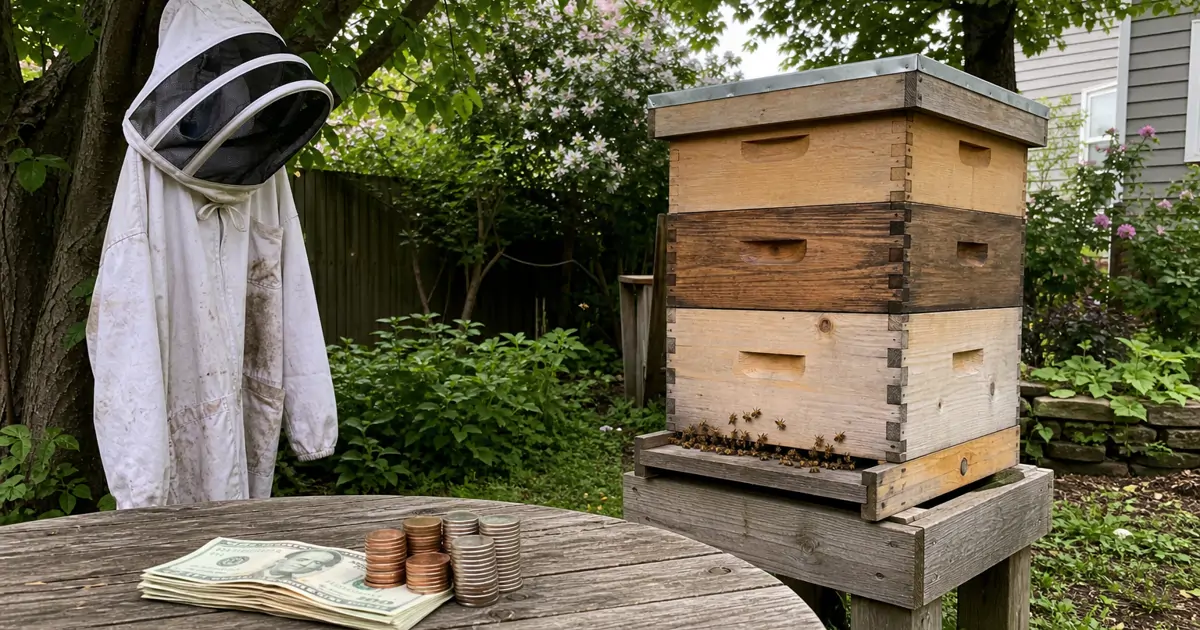
The beekeeping startup cost is where most of the financial commitment happens, and it's also the part beginners tend to underestimate. A single hive setup, complete with woodenware, protective gear, tools, and bees, typically lands somewhere between 400 and 800 dollars depending on quality and whether items are purchased new or secondhand. That range surprises a lot of people who assumed a hive and some bees would run closer to a hundred dollars.
Hives and Woodenware
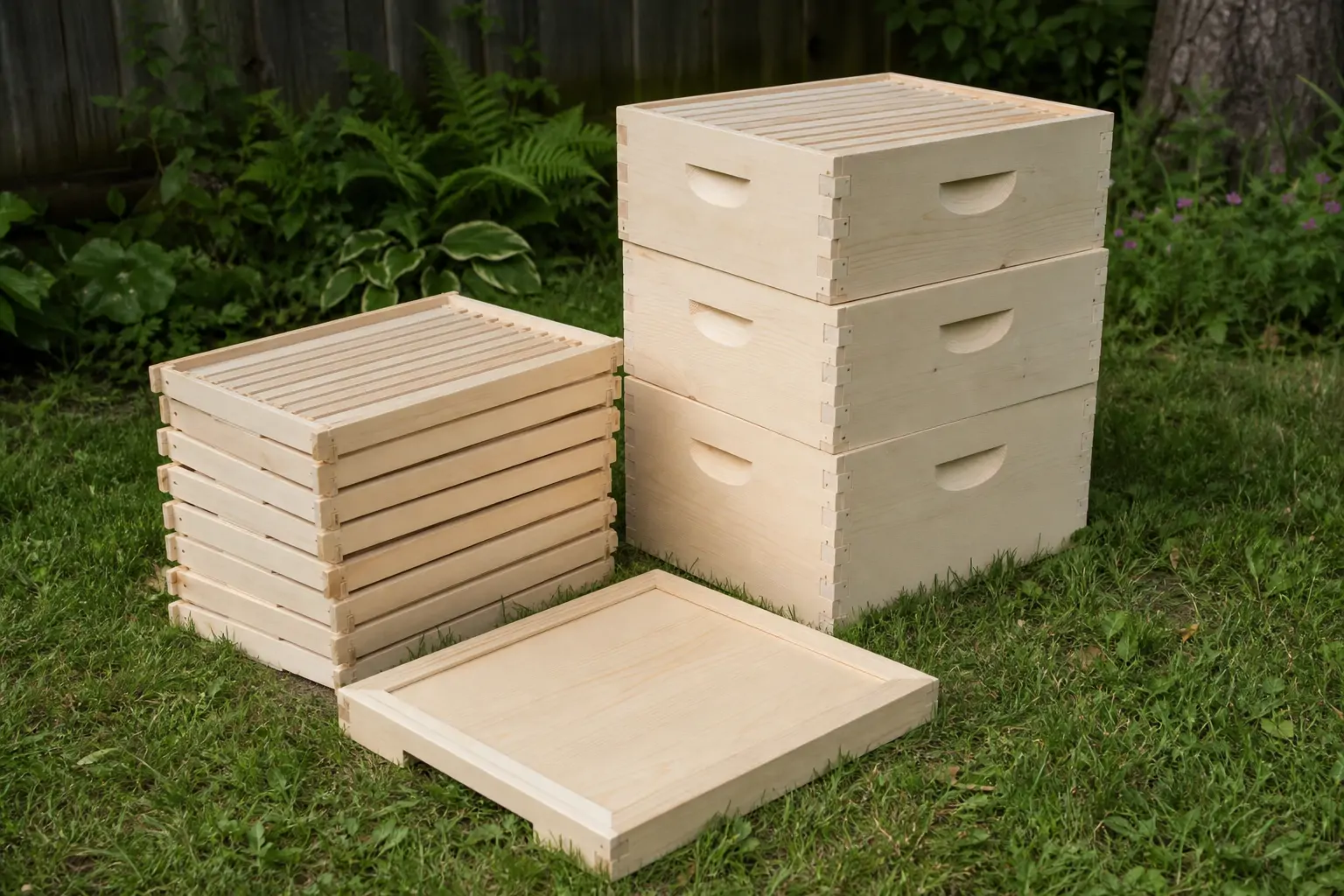
A basic Langstroth hive setup — the most common style for beginners — includes a bottom board, one or two deep boxes for the brood chamber, several medium boxes for honey supers, frames and foundation, an inner cover, and a telescoping outer cover. Purchased new and assembled, this runs roughly 200 to 350 dollars per hive. Unassembled kits shave off maybe 20 percent, but require tools and time. Many new keepers don't realize that a single hive rarely stays a single box for long; by midsummer, a productive colony often needs two or three additional supers, and each one adds cost.
Protective Gear and Tools
A full beekeeping suit with an attached veil runs between 60 and 150 dollars, while a separate bee veil and jacket combination can be found for less if a full suit feels like overkill. Add a good pair of gloves, a hive tool, and a smoker with fuel, and protective gear plus tools typically adds another 100 to 180 dollars. It's tempting to cut corners here, but cheap gloves that tear or a smoker that won't stay lit during an inspection tend to cost more in replacement purchases than buying reasonably durable gear the first time.
Acquiring Your Bees
Bees themselves are a separate line item entirely, and price varies by region and method. A package of bees, typically three pounds of workers with a mated queen, costs between 120 and 180 dollars depending on the supplier and time of year. A nuc, or nucleus colony, which comes with drawn comb and an already-laying queen, generally costs more — often 150 to 250 dollars — but tends to establish faster since the colony isn't starting from scratch. The nuc vs package bees decision isn't purely about cost; it's about how much of a head start you're willing to pay for.
Takeaway: expect a realistic first-year investment of 400 to 800 dollars per hive once woodenware, gear, and bees are all accounted for — not the bargain-bin figure often quoted in casual conversation.
Ongoing Yearly Costs Most Beginners Overlook
Once the initial setup is behind you, the cost of beekeeping doesn't disappear — it just shifts from equipment purchases to consumables and maintenance. This is the part of the budget that beginner guides frequently skip over, and it's where many new keepers get an unpleasant surprise heading into their second season.
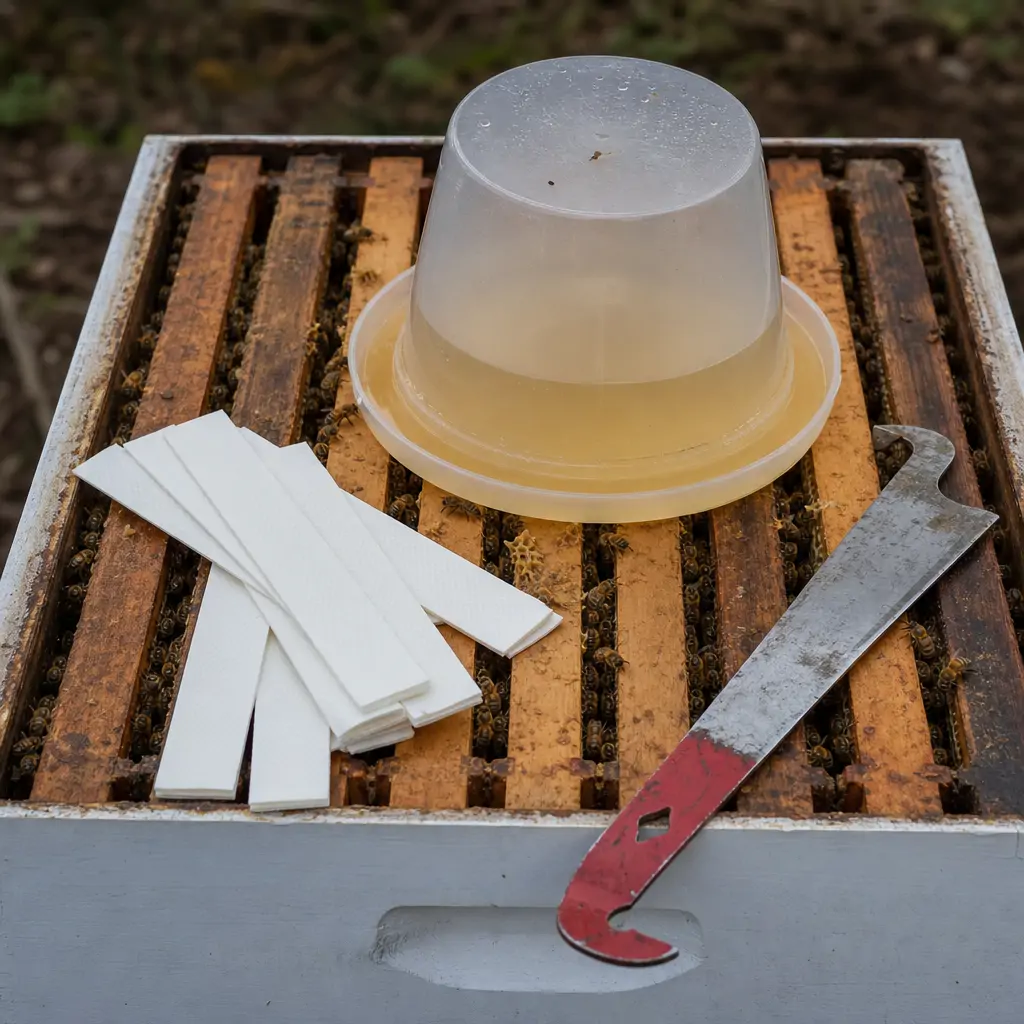
Varroa mite treatments are a recurring and unavoidable expense in most parts of the country, typically running 20 to 50 dollars per hive per year depending on the product and treatment schedule. Sugar or pollen substitute feeding, especially in early spring or during a dearth, can add another 20 to 40 dollars annually. Replacement frames and foundation wear out or get damaged and need periodic replacing, and queens occasionally need replacing too — a mated queen alone can cost 35 to 50 dollars, more if she's from a specialty breeding line.
Then there's harvesting equipment. Extracting honey requires either borrowing or buying an extractor, uncapping tools, and filtering and bottling supplies. A basic manual extractor starts around 150 dollars, though many local beekeeping association near me groups offer extractor rentals or shared equipment, which can significantly reduce this cost for a hobbyist with just one or two hives.
Common Mistakes That Increase Beekeeping Costs
One frequently overlooked factor is buying equipment piecemeal rather than planning a full season's needs at once, which often leads to paying rush shipping or premium prices later when a specific box or tool is suddenly needed mid-inspection. Another common mistake is underestimating how quickly a thriving colony outgrows its starting equipment — a strong hive in a good nectar flow can need a new super within weeks, and scrambling to source one last-minute rarely results in the best price. A third overlooked cost is medication and treatment products bought reactively after a mite count spikes, rather than budgeted for proactively as part of routine hive management.
Takeaway: annual maintenance costs for an established hive typically run 100 to 250 dollars, and treating these as optional rather than expected is one of the most common budgeting errors beginners make.
Is Beekeeping Expensive? Putting the Numbers in Perspective
So, is beekeeping expensive? Compared to hobbies like gardening or backyard chicken keeping, the startup cost is noticeably higher, but the ongoing costs are comparable or lower once the initial equipment is in place. A single hive that survives its first winter and produces a reasonable honey harvest can offset a meaningful portion of its annual maintenance cost through honey sales or simply the value of honey you'd otherwise buy.
The decision of one hive vs two hives also affects the cost equation in ways that aren't immediately obvious. Two hives cost more upfront, but they give you a built-in comparison for diagnosing problems — a struggling colony is much easier to identify when you have a healthy one nearby to compare against. Many experienced keepers recommend starting with two hives specifically because losing a single hive to queen failure or disease means starting over from zero, whereas losing one of two hives still leaves you with a working colony and a head start on rebuilding.
Location and preparation also influence cost indirectly. Attending local beekeeping courses or classes before investing in equipment can prevent expensive mistakes, such as buying the wrong hive style for your climate or under-provisioning for winter feeding. Many local extension offices and beekeeping classes near me listings offer beginner courses for a modest fee, and the guidance they provide often pays for itself by helping avoid a single costly error, like losing a colony to inadequate winter preparation.
Takeaway: beekeeping carries a real upfront cost that shouldn't be minimized, but it isn't a bottomless financial commitment — most of the expense is concentrated in year one, with costs leveling off significantly in subsequent seasons.
Ultimately, the cost of beekeeping is manageable for most hobbyist budgets, provided the first-year investment is planned for rather than improvised. Buying quality gear once, budgeting for annual treatments and feed, and deciding early whether to start with one or two hives all shape how much does beekeeping cost over time far more than any single purchase.
For anyone weighing whether to commit, the honest takeaway is this: beekeeping is not a cheap hobby to start, but it becomes considerably more affordable to maintain once the initial equipment and colony are established, and the returns — in honey, pollination benefits, and hands-on learning — often justify the investment for those genuinely interested in the craft.