How Long Does It Take Bees to Make Honey?
How Long Does It Take Bees to Make Honey?
Anyone who keeps bees eventually asks the same question: how long does it take bees to make honey? It seems like it should have a simple answer, but the truth is more layered than most people expect. A single foraging trip might take twenty minutes, while a full frame of capped honey can represent weeks of collective effort from thousands of bees working in shifts around the clock.
Understanding this timeline matters for more than curiosity. Backyard beekeepers who don't grasp how honey actually forms inside the hive often pull frames too early, disrupt the colony's rhythm, or misjudge how much surplus a hive can realistically spare. Knowing the stages involved helps you plan inspections, anticipate harvest windows, and avoid the frustration of opening a hive expecting jars of honey and finding mostly nectar instead.
This article breaks down the biological process behind honey production, the realistic time frames involved from nectar to finished comb, and the environmental and colony-level factors that can stretch or shrink that timeline considerably.
How Bees Make Honey: The Process Behind the Timeline
Before addressing timing, it helps to understand what actually happens between a bee visiting a flower and honey sitting sealed in a cell. This isn't a single action but a relay of tasks divided among different bees, each contributing a small piece to a much larger, ongoing project.
A foraging bee visits flowers and draws nectar into a specialized storage stomach called the honey crop, which is separate from her digestive stomach. During this flight, enzymes already begin breaking down complex sugars in the nectar. Once she returns to the hive, she doesn't store this nectar directly. Instead, she passes it to a house bee through a process called trophallaxis, essentially mouth-to-mouth transfer, and this exchange can happen several times before the nectar reaches a storage cell.
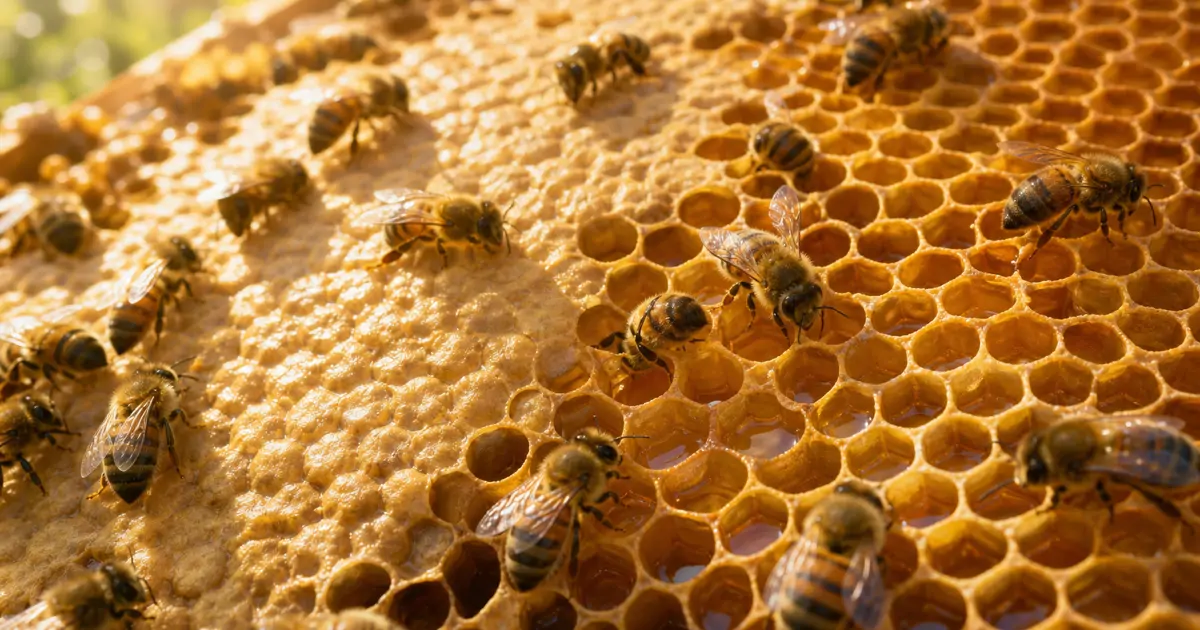
Each transfer adds more enzymes and reduces the water content slightly. The house bees then deposit the nectar into open comb cells and begin the real work of evaporation. Worker bees fan their wings across the open cells, pushing humid air out of the hive and pulling drier air in. This is why a strong, well-ventilated hive often produces honey faster than a weak or poorly positioned one.
From Nectar to Honey: The Steps Inside the Hive
Fresh nectar can contain anywhere from 50 to 80 percent water. Honey, by contrast, needs to sit around 17 to 18 percent moisture to resist fermentation and spoilage. Getting from one to the other is largely a drying process, not a chemical transformation, though enzymatic activity does continue converting sucrose into simpler sugars like glucose and fructose throughout this stage.
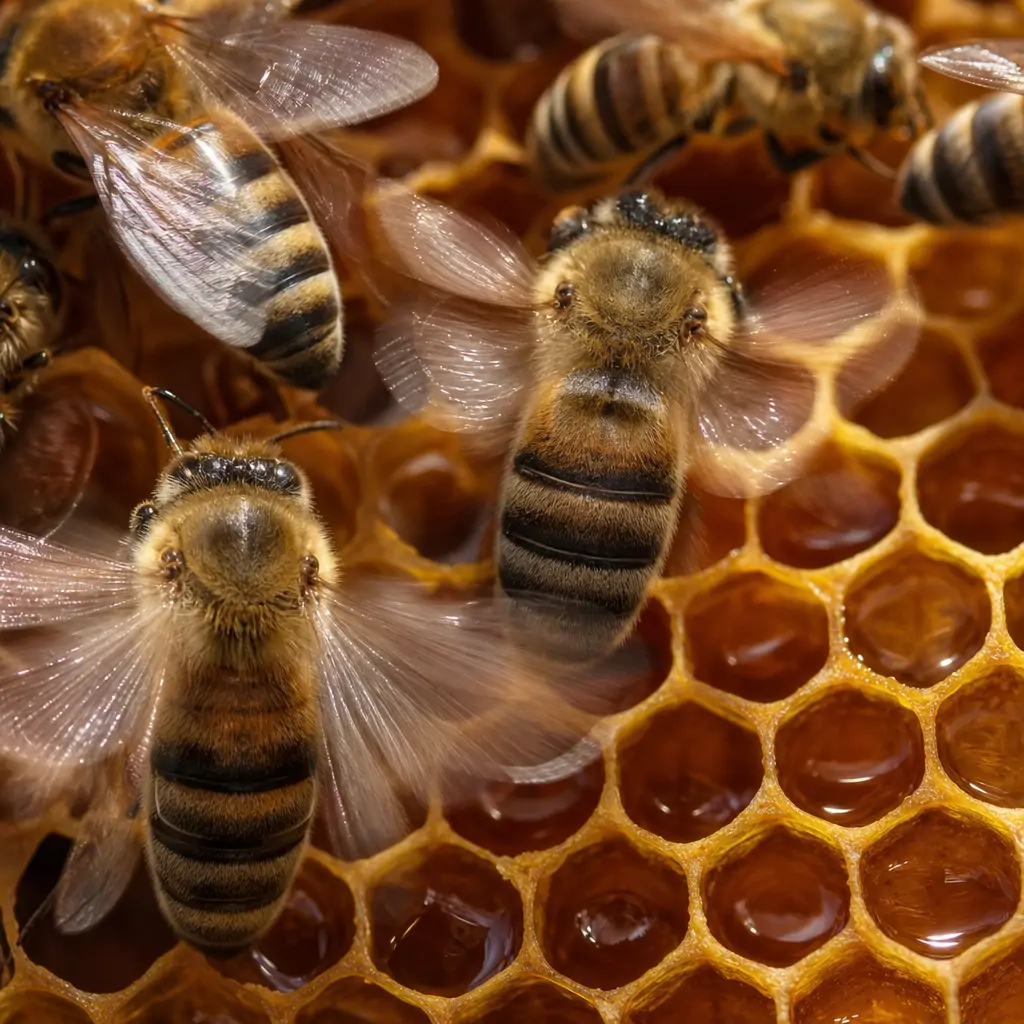
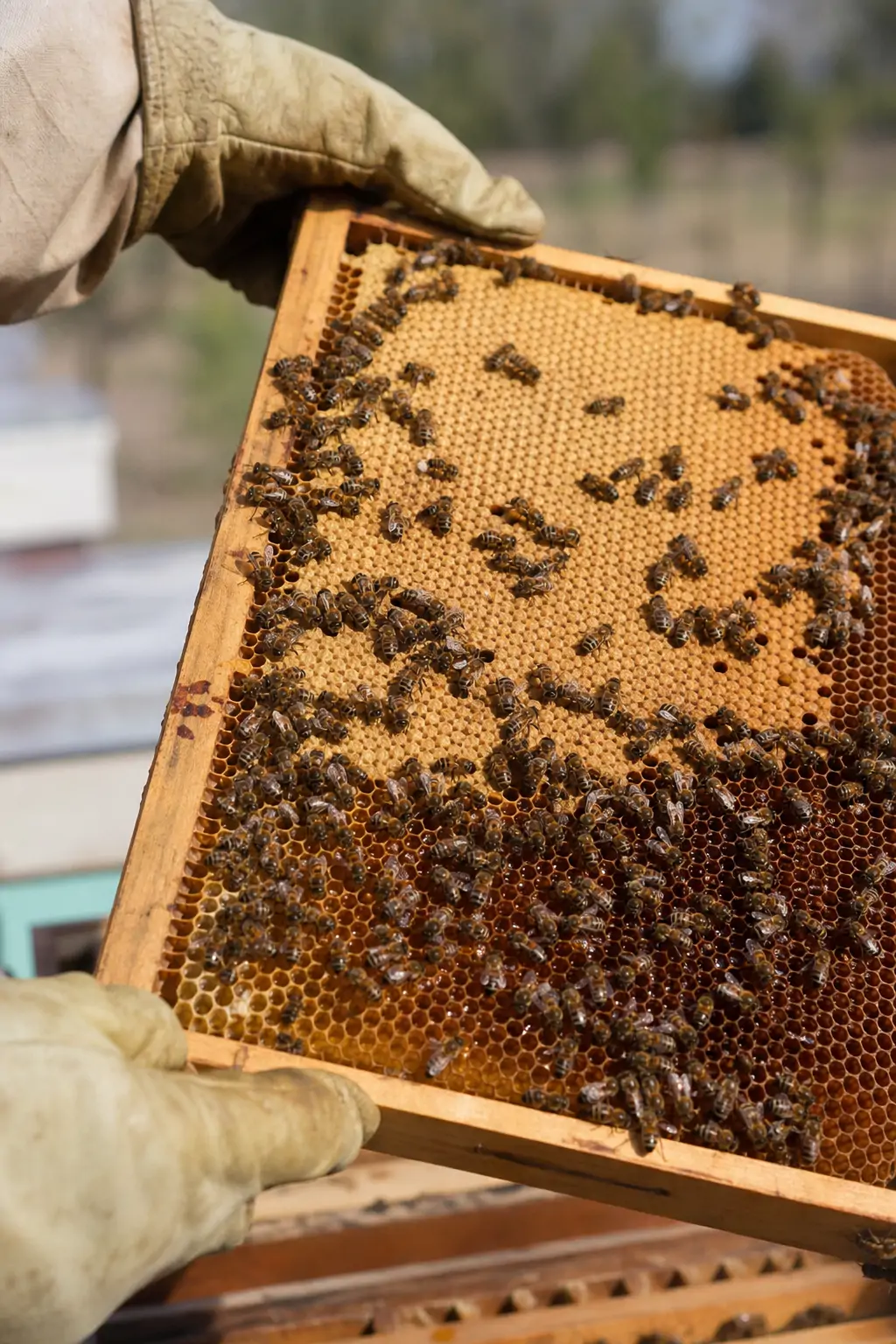
Once the moisture content drops to the right level, bees cap the cell with a thin layer of beeswax. This seal isn't just cosmetic. It locks in the finished product and signals to the colony, and to the beekeeper, that the honey inside is fully cured and shelf-stable. Beekeepers who understand how bees make honey generally wait for this capping stage before considering a frame ready, since uncapped honey still carries too much moisture and can spoil or ferment after extraction.
How Long Does It Take Bees to Make Honey?
Here's where the timeline actually gets interesting, because there isn't one single number that applies to every hive. In broad terms, a single frame of nectar can be converted to ripened, capped honey in as little as three to seven days under strong nectar flow conditions. However, filling and capping an entire honey super, especially during a moderate flow, more commonly takes four to six weeks.
Individual bees only live a few weeks during the active season, so no single bee sees this process through from start to finish. The colony functions more like an assembly line that never stops, with different generations of workers picking up tasks as older bees wear out. This is part of why colony strength directly affects how quickly honey accumulates; more bees means more foragers, more house bees processing nectar, and more fanners reducing moisture simultaneously.
Colony Strength and Timing
A hive with 40,000 to 60,000 bees during peak season can process nectar dramatically faster than a smaller colony working with 15,000 or fewer bees. This is one detail that many beginner resources skip over entirely. Two hives sitting side by side, exposed to the same flowers and weather, can show completely different rates of honey production simply because one has a larger, more established population of foragers and processors.
A practical implication follows from this: a newly installed package or a recently split colony should not be judged against an established hive's honey output. New colonies typically spend their first several weeks building comb and raising brood rather than storing significant surplus honey, which means the honey production timeline for a first-year hive often looks very different from a mature one.
Weather and Nectar Flow
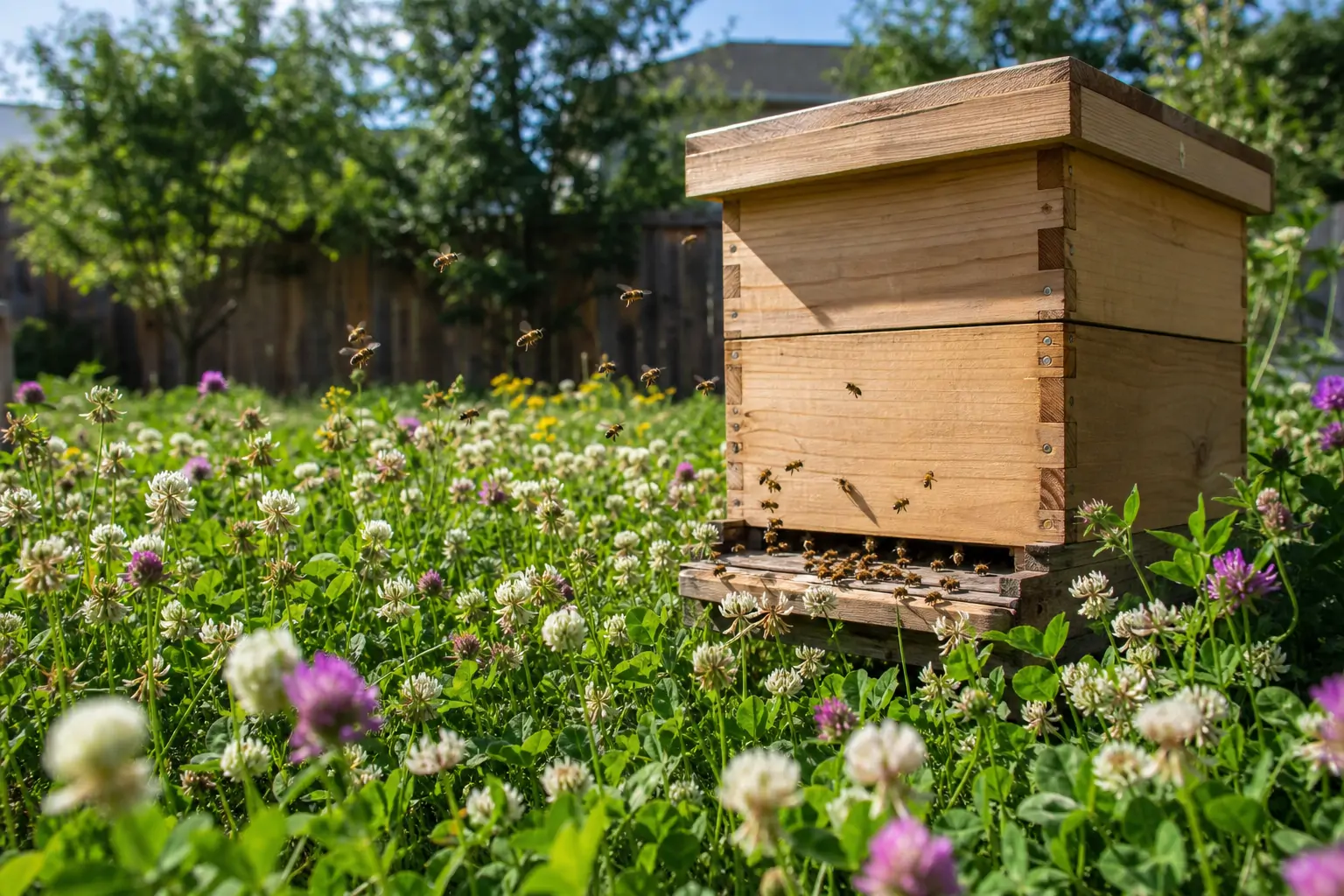
Nectar flow, the period when flowering plants are actively producing nectar in abundance, is arguably the single biggest variable in this entire process. During a strong flow, bees can fill and cap a super in under two weeks. During a weak or interrupted flow, caused by drought, unseasonable cold, or heavy rain that washes nectar out of blossoms, the same task might stretch to two months or simply stall entirely.
Temperature also affects evaporation speed. Warm, dry air helps bees reduce moisture faster, while humid conditions force them to work harder and longer to hit that 18 percent target. This is one reason regional climate plays such a large role in when to harvest honey and why the same hive design can behave differently depending on where it's located.
Takeaway: honey production speed depends far more on colony size and nectar availability than on any fixed number of days, which is why estimates vary so widely across different sources.
Honey Production Timeline: Factors That Speed Up or Slow Down the Process
Several conditions consistently influence how quickly a hive moves from empty comb to a full, capped super. Recognizing these patterns helps set realistic expectations rather than relying on a single average figure that may not apply to your specific setup.
- Nectar availability and plant diversity within roughly two to three miles of the hive
- Colony population and the ratio of foragers to house bees
- Hive ventilation and internal humidity levels
- Queen productivity, since a strong laying queen sustains population growth needed for continued foraging
- Local weather patterns, particularly rainfall and temperature swings during the active season
Common Mistakes Beekeepers Make When Judging Readiness
One frequently overlooked factor is the temptation to harvest based on a calendar date rather than the actual condition of the comb. Many new beekeepers assume that because six weeks have passed since a super was added, the honey inside must be ready. In practice, this often leads to harvesting nectar that hasn't finished curing, which can result in fermentation after bottling.
Another common mistake involves misreading partially capped frames. A frame that is only 70 or 80 percent capped is usually not ready, even if the uncapped portion looks visually similar to the sealed cells. The safest approach remains checking for full or near-full capping across the majority of the frame rather than estimating by time elapsed alone. This single habit prevents more spoiled batches than almost any other precaution a backyard beekeeper can take.
It's also worth noting that pulling honey too early doesn't just risk quality; it can shortchange the colony. Bees may need to draw on stored reserves through a dearth period, and removing partially finished stores can leave a hive under-provisioned heading into a lean stretch. This is part of a broader set of honey harvesting steps that experienced beekeepers follow to protect both the harvest and the colony's long-term health.
Takeaway: patience at the capping stage, rather than strict adherence to a set number of weeks, is what separates a clean, stable harvest from one prone to spoilage.
Understanding the honey production timeline gives backyard beekeepers a much clearer picture of what's happening inside the hive between spring buildup and harvest day. The process moves faster or slower depending on nectar flow, colony strength, and weather, which means two hives in the same yard can finish at noticeably different paces. Rather than counting days on a calendar, watching the comb itself, particularly how much of it is capped, remains the most reliable way to judge whether a frame is truly ready to come off the hive.
Whether you're comparing raw honey vs processed honey for the first time or simply trying to figure out how much honey does one hive produce in an average season, keeping realistic expectations about timing will make the entire process, from nectar collection to extracting honey at home, far less stressful and far more successful.