Honey Harvesting & Bee Products: A Complete Overview
Honey Harvesting & Bee Products: A Complete Overview
For anyone who keeps bees, the moment of pulling that first frame heavy with capped honey feels like a small reward for months of watching, feeding, and worrying over a colony. But turning a hive full of comb into jars of honey sitting on a kitchen shelf involves a lot more than most beginners expect. Timing, equipment, extraction methods, and even how the honey is stored afterward all shape the final result.
This hub page is meant to orient you before you dive into the specifics. Honey is only one of several valuable substances a hive produces — beeswax and propolis both have practical uses many backyard beekeepers overlook until they start asking questions. Whether you are approaching your very first harvest or trying to troubleshoot a batch of honey that has turned grainy in the jar, the goal here is to point you toward the exact article that answers your question, rather than trying to cover everything at once.
Readers searching for a honey harvesting guide usually fall into one of a few groups: those preparing for their first extraction, those comparing equipment options, and those dealing with a problem after the fact, like crystallization or cloudy honey. Some arrive after harvesting honey from a beehive for the first time and finding the results messier or slower than expected. The sections below sort through those needs and connect each one to a dedicated resource.
Topic Overview
Honey production and harvesting touch on several distinct skill areas, and it helps to see how they fit together before jumping into any one of them. There is the biological side — understanding how bees convert nectar into honey and how long that process actually takes. There is the mechanical side — choosing tools, pulling frames, and running a honey extraction process without damaging comb or contaminating the harvest. And there is the finishing side — straining, bottling, and storing honey so it stays shelf-stable and appealing.
Beyond honey itself, many backyard beekeepers eventually branch into harvesting beeswax for candles, cosmetics, or trade, and collecting propolis, the resinous substance bees use to seal gaps in the hive. Each of these areas has its own timing, its own tools, and its own common mistakes. A common concern among new beekeepers is simply not knowing which task comes first — should wax be rendered before or after the honey harvest? Should propolis collection happen at the same time as a honey pull? Those are exactly the kinds of questions the sub-pillar articles linked throughout this page are built to answer.
How to Harvest Honey from a Beehive
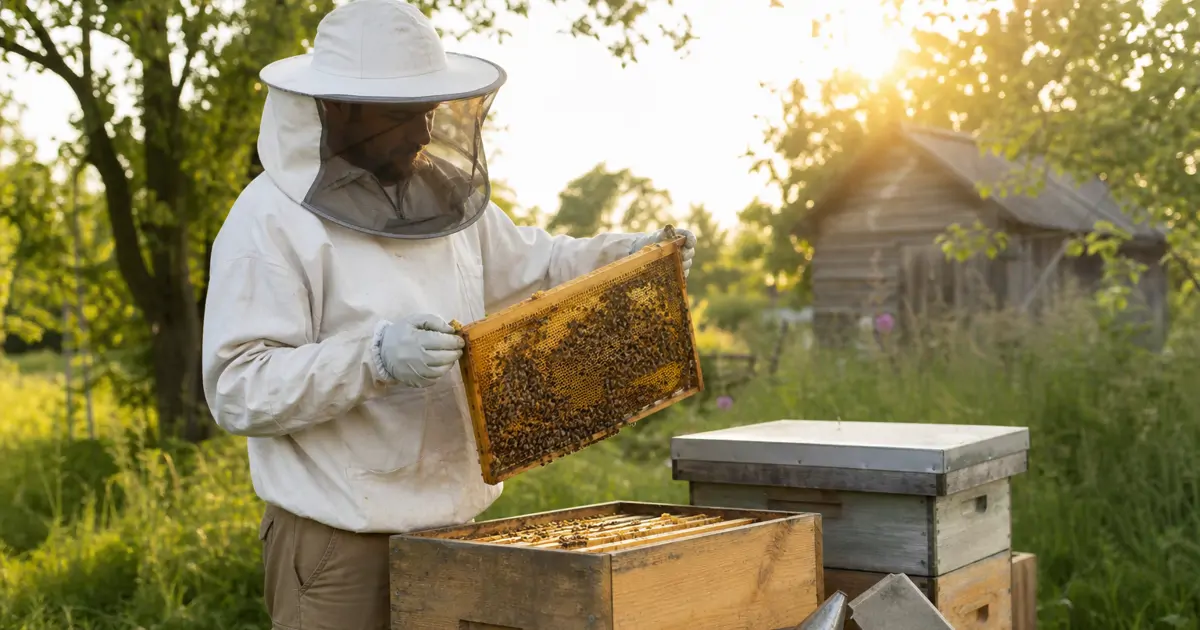
This is the natural starting point for most readers. The process of pulling frames, removing bees, uncapping comb, and running the extraction itself can feel intimidating the first time around, especially with live bees still nearby. The dedicated guide on how to harvest honey from a beehive walks through the sequence step by step, from preparing equipment to the actual moment of cutting wax cappings. It is the right stop if you have never done a harvest before and want a clear order of operations.
Honey Extractor Types
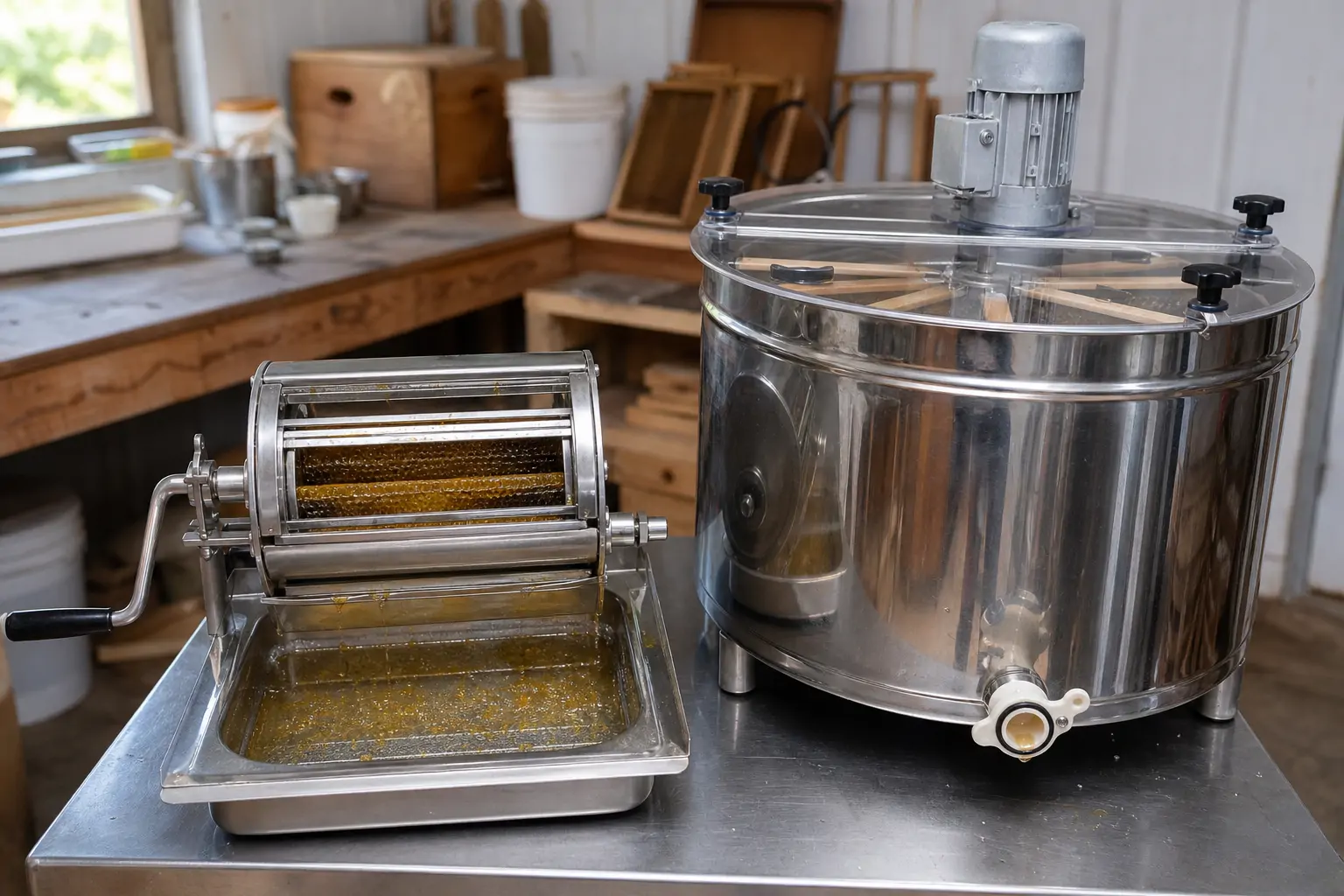
Once you understand the general harvesting process, equipment choice becomes the next practical decision. Extractors range from simple hand-cranked tangential models to larger electric radial units, and the right choice depends heavily on hive count and budget. The article covering honey extractor types compares these options in more depth, including how manual vs electric honey extractor decisions typically play out for hobbyists versus those managing several colonies.
How Long Does It Take Bees to Make Honey
Many beginners assume honey production happens quickly, but the timeline is longer and more weather-dependent than expected. Understanding how long does it take bees to make honey helps set realistic expectations for when a first harvest might actually be possible, and it ties directly into judging whether a hive is ready. That article also explains the honey production timeline in relation to nectar flow and colony strength, which affects how much surplus a hive can safely spare.
Crystallized Honey Fix
A jar of honey that has turned solid or grainy on the shelf is not spoiled, though it often looks that way to someone unfamiliar with the process. This is one of the most common post-harvest concerns beekeepers and honey buyers alike run into. The crystallized honey fix guide explains gentle methods for restoring texture without damaging flavor or enzymes, and it is worth reading before assuming a batch needs to be thrown out.
Beeswax Uses and Harvesting
Cappings removed during extraction are not waste — they are raw material for one of the hive's other valuable products. The beeswax uses article covers how to harvest beeswax from cappings and burr comb, along with the basic beeswax rendering process that turns rough scraps into clean, usable blocks. It is a natural next step for anyone who already harvests honey and wants to avoid discarding a useful byproduct.
Propolis Benefits and Collection
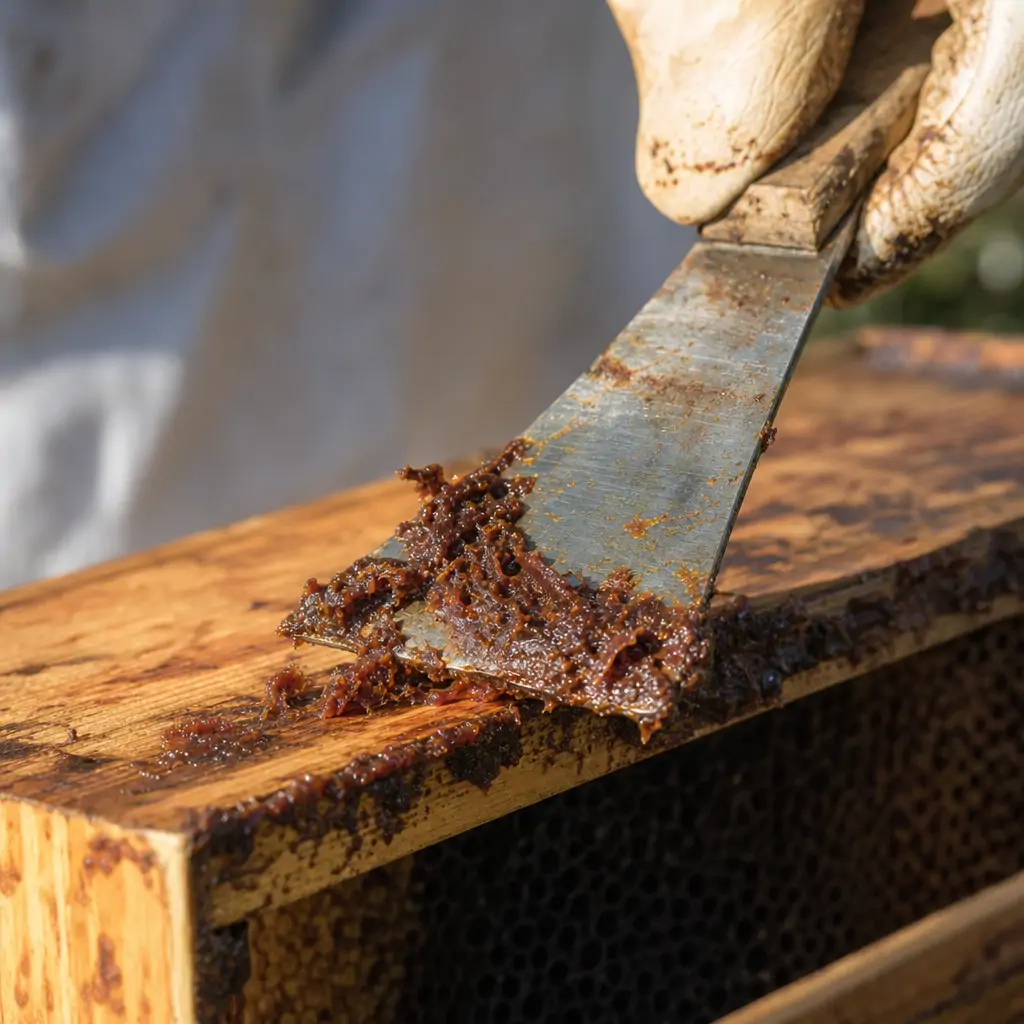
Propolis, the sticky resin bees gather to seal cracks and reinforce the hive, tends to get far less attention than honey or wax, yet it has a devoted following among people interested in natural remedies and hive maintenance alike. The propolis benefits article introduces how to collect propolis using screens or scraping methods, along with an overview of what is bee propolis used for historically and in modern applications. This is a good detour for readers curious about diversifying beyond honey.
Honey Straining and Bottling
After extraction, raw honey still contains bits of wax and debris that need to be filtered out before it looks presentable in a jar. The honey straining and bottling guide details practical approaches to how to strain honey without stripping out beneficial pollen, plus tips on bottling honey at home so it stores well and looks clean on a shelf or at a farmers market table.
Best Time to Harvest Honey
Pulling frames too early or too late can affect both yield and honey quality, and this is one of the more frequently misunderstood aspects of the whole process. The article on best time to harvest honey explains how to judge readiness by capped cell percentage and local nectar flow patterns, and it discusses when to harvest honey relative to your region's honey harvest season. This is essential reading before scheduling any extraction day.
Raw Honey vs Processed Honey
Some readers arrive not because they keep bees themselves, but because they are curious about what makes backyard honey different from what is sold in a typical grocery aisle. The raw honey vs processed honey comparison lays out the difference between raw and regular honey, along with a plain-language look at the benefits of raw honey that so many small-scale producers highlight.
How Much Honey Does One Hive Produce
Expectations around yield vary wildly, and disappointment often comes from comparing a first-year hive to reports of exceptional harvests elsewhere. The how much honey does one hive produce article breaks down the average honey yield per hive and explains how factors like colony age, forage availability, and regional climate influence honey production per colony from season to season.
How the Pieces Connect
These topics rarely function in isolation. A beekeeper preparing for a first harvest will likely need the harvesting steps, the timing guidance, and an extractor recommendation all around the same week. Someone rendering beeswax after extraction is really just continuing the same seasonal task that started with pulling frames. And a person troubleshooting crystallized honey months later is circling back to a topic that began the day the jars were filled.
A sensible path for most beginners starts with understanding timing and readiness, moves into the mechanics of the extraction process, and then finishes with straining, bottling, and storage. Wax and propolis collection can be layered in whenever it fits your workflow, since neither depends on a strict schedule the way honey harvest timing does. Readers focused purely on honey quality and health benefits may skip the equipment-heavy articles entirely and head straight for the comparison between raw and processed honey.
Bringing It All Together
Honey harvesting and the broader category of bee products cover more ground than a single article can reasonably explain, which is exactly why this page exists as a starting point rather than a finish line. From the mechanics of extraction to the finer points of storing, straining, and even comparing raw honey to store-bought versions, each piece connects back to the same seasonal rhythm every backyard beekeeper eventually learns. Use this overview as a map, and let the linked guides fill in the details as your own hive and your own questions demand.