Best Time of Year to Start Beekeeping (And Why)
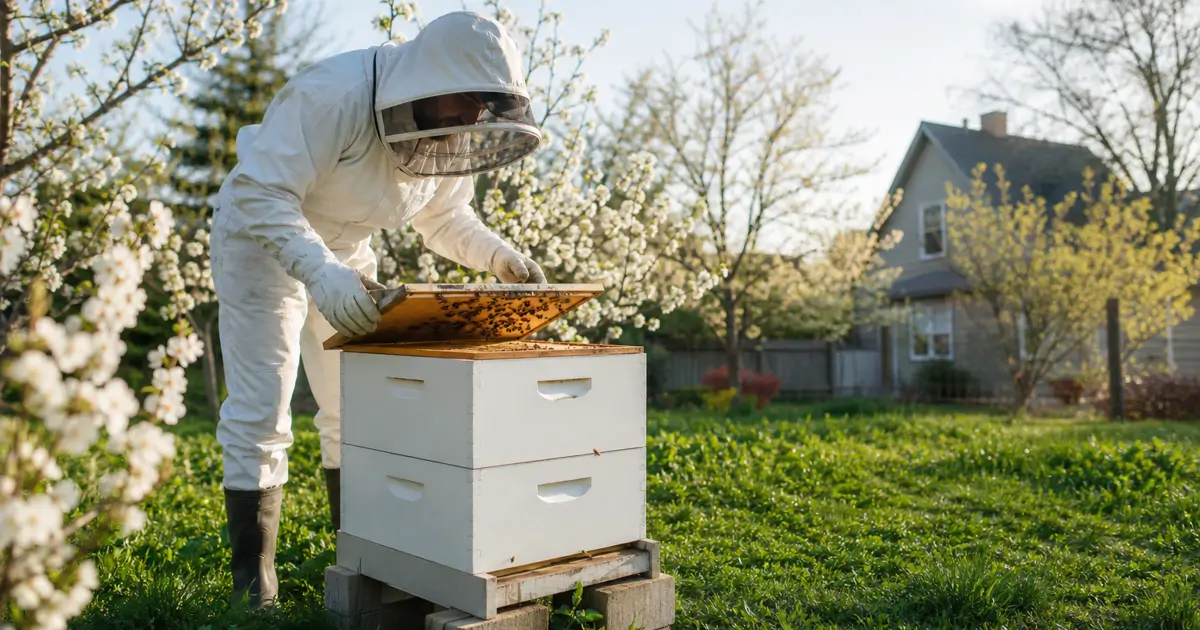
Best Time of Year to Start Beekeeping (And Why)
New beekeepers tend to ask the wrong version of a very right question. They ask what month to buy a hive, when the real question is when the bees themselves will actually thrive once they're inside it. Timing shapes almost everything that follows in a colony's first year — how quickly it builds comb, whether it has enough workers to survive winter, and how much intervention a beginner will need to provide along the way.
This matters because bees don't operate on a calendar month; they operate on bloom cycles, temperature thresholds, and daylight length. A beekeeper who starts at the wrong point in that cycle isn't necessarily doing anything wrong technique-wise, but they're working against biology instead of with it. That's a much harder way to keep a colony alive.
This guide goes beyond the general advice to "start in spring" and breaks down why that window exists, how it shifts depending on where in the country a hive is located, and what a realistic spring beekeeping setup timeline actually looks like once bees are ordered and equipment is on hand.
Why the Best Time of Year to Start Beekeeping Isn't Always Spring
Most introductory resources repeat the same line: start in spring. It's not wrong, but it's incomplete, and that incompleteness is exactly where beginners run into trouble. The best time of year to start beekeeping is tied less to a season name and more to a specific biological window — the period when nectar and pollen sources are ramping up but the colony still has enough time to grow before it needs to survive its first winter.
In practice, this window opens earlier in warm climates and later in cold ones, which is why a beekeeper in Georgia and a beekeeper in Minnesota might be doing the same task six to eight weeks apart, even though both are technically "starting in spring."
How Bee Biology Drives the Calendar
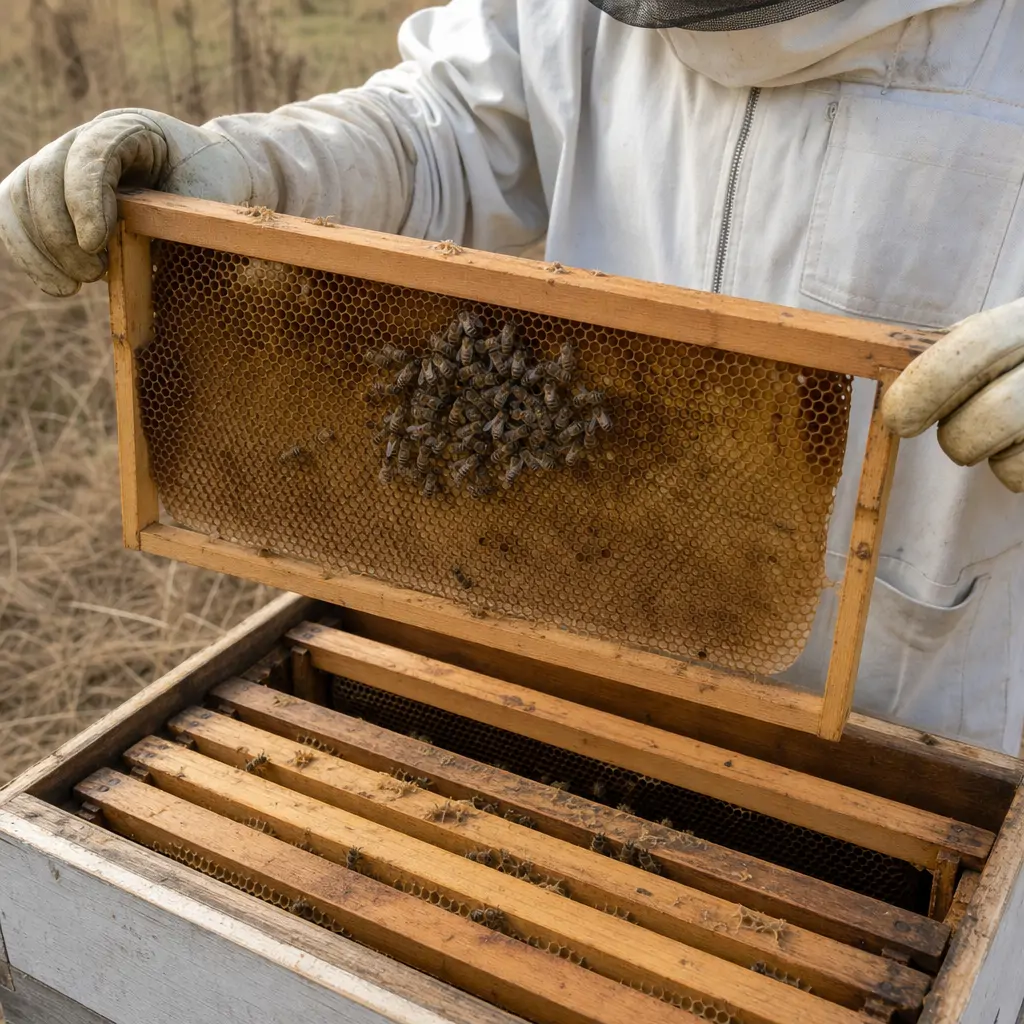
A new colony installed from a package or a nucleus hive needs several months of uninterrupted comb-building and brood production before autumn arrives. Worker bees have to draw out wax comb, the queen needs room to lay, and the population has to grow large enough to form a proper winter cluster. None of that happens quickly in cold or wet weather, since bees are far less active — and far less willing to forage — below roughly 55°F.
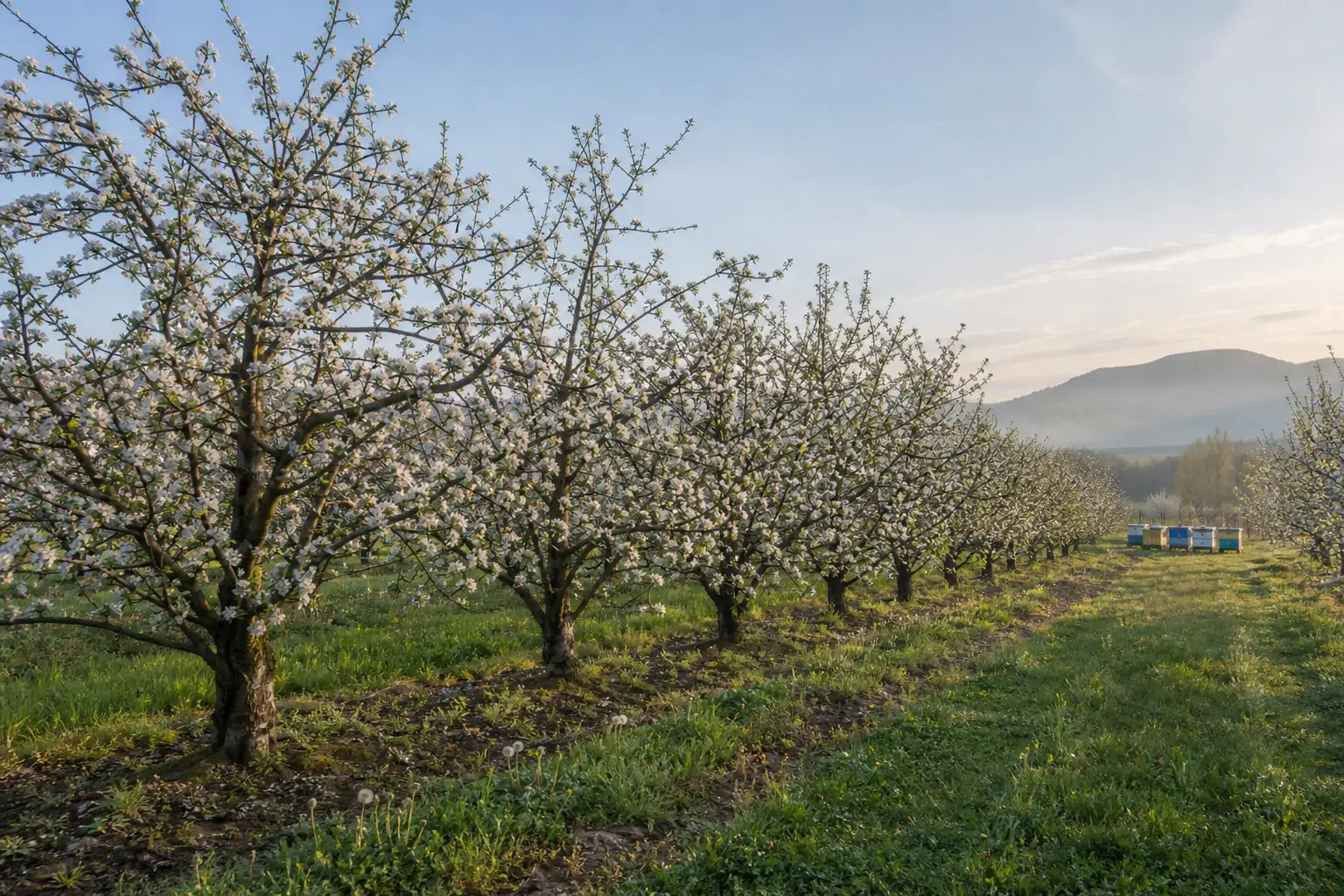
This is the practical reason nectar flow timing matters so much. A colony started right as major blooms begin has a much easier path to building stores than one started after the flow has already peaked and started declining. Miss that window and the bees are essentially playing catch-up for the rest of the season.
A common scenario plays out every year: a beginner gets excited in early summer, orders bees, and installs them in June or July. The colony may look fine initially, drawing some comb and bringing in pollen. The trouble shows up in autumn, when that same colony hasn't built enough comb or stored enough honey to make it through winter. Without supplemental feeding and close monitoring, a late-start colony often doesn't survive its first cold season — not because the beekeeper did anything egregious, but because the bees simply ran out of calendar.
The takeaway here is straightforward: timing isn't a minor scheduling detail, it's one of the biggest predictors of first-year colony survival, often more influential than hive type or equipment quality.
Regional Timing: When to Start a Beehive Across the US
Because the United States spans such a wide range of climates, there's no single national date that works for everyone. Figuring out when to start a beehive really comes down to identifying the local nectar flow and working backward from it, rather than copying a date from a beekeeper in a different USDA zone.
Cold-Climate and Northern Regions
In states like Minnesota, Wisconsin, Vermont, and much of the upper Midwest and Northeast, the safe installation window typically falls in April or early May, once overnight frost risk has meaningfully dropped and early blooms like maple and dandelion are appearing. Installing earlier than that often means a colony sitting idle in cold weather, burning through stores just to stay warm rather than expanding.
Southern and Warm-Climate Regions
In much of the Deep South, Texas, and coastal California, blooms can arrive as early as February or March, which pulls the ideal start date forward considerably. Beekeepers in these regions who wait until late April are often starting weeks behind their local nectar flow, even though that same date would be perfectly reasonable further north. This is a frequently overlooked consideration — a beekeeper following generic national advice can accidentally miss their own regional window entirely.
One practical way to nail down a realistic date locally is to connect with beekeeping classes near me search results or a nearby beekeeping association, since experienced local keepers usually know the bloom calendar for their specific county far better than any general guide can. Checking beekeeping laws and regulations at the same time is worthwhile too, since some municipalities have registration deadlines that align with — or sometimes constrain — the ideal biological start date.
Building a Spring Beekeeping Setup Timeline
Once a target window is identified, the real work is backward planning. A spring beekeeping setup isn't something to assemble the week bees arrive; most of it needs to be settled two to four months earlier.
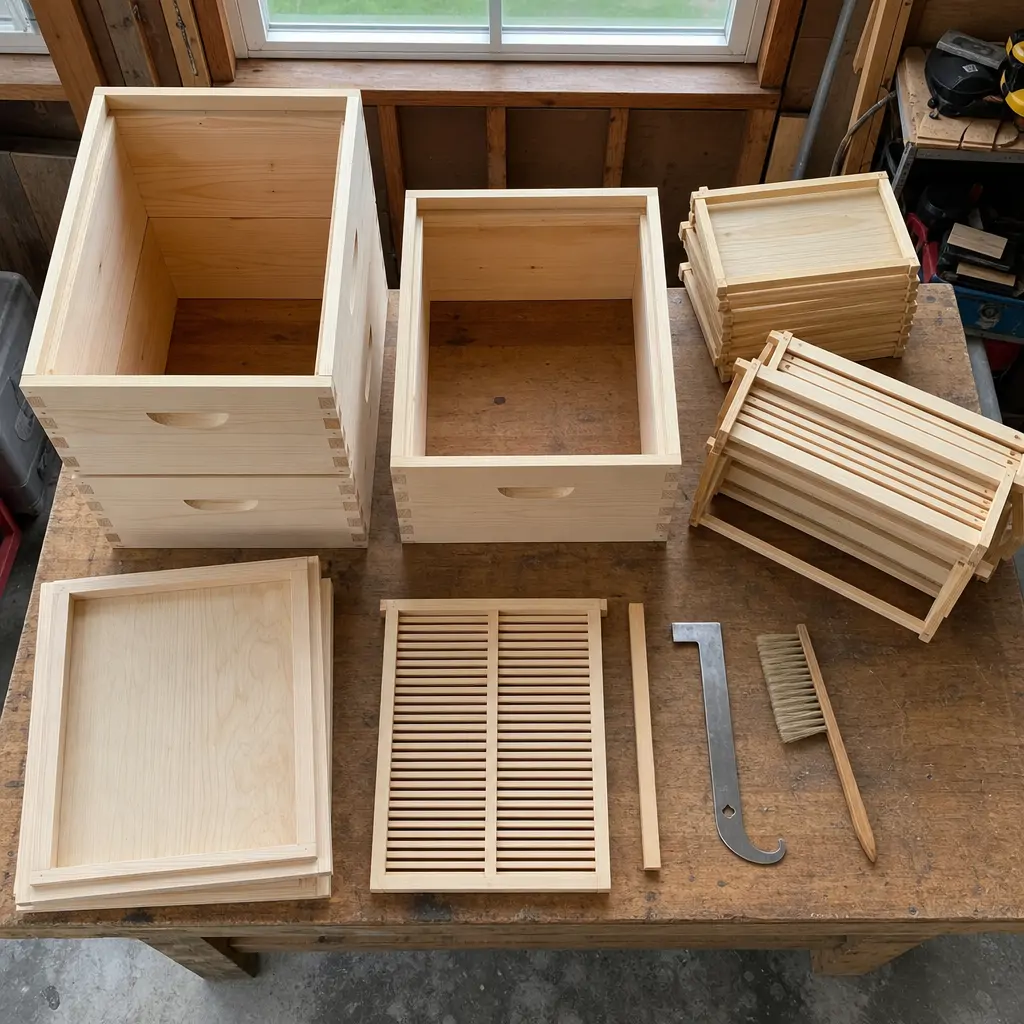
Roughly eight to twelve weeks before the target installation date, hive bodies, frames, and protective equipment should already be ordered, since suppliers routinely sell out during peak spring demand. This is also the point to research where to place a beehive, factoring in sun exposure, wind blocks, and distance from neighbors, so the physical location is settled well before bees show up needing a home.
Four to six weeks out is the point to finalize the bee order itself, whether that's a package or a nuc, and to decide how many colonies to start with — a decision covered in more depth elsewhere, but worth settling early since suppliers often need lead time regardless of the choice between nuc vs package bees.
In the final two weeks, hive components should be assembled, painted if desired, and set in their permanent location so the wood has time to off-gas and the site can be observed for drainage or unexpected shade issues before bees are actually installed.
Common Mistakes That Derail a Spring Start
One recurring issue is ordering bees before equipment is ready, leaving a beekeeper with a package of bees and nowhere established to put them. Another is underestimating how quickly good local nectar flow windows fill supplier calendars, which pushes an order into a later, less favorable batch. A third — and probably the most damaging — is treating the installation date as fixed regardless of weather, and installing bees into a cold snap simply because it's the date that was circled on the calendar. Bees don't care what the calendar says; a short delay for better weather is almost always the safer call.
Getting this sequence right doesn't guarantee a thriving colony, but getting it wrong makes almost every other beginner mistake harder to recover from.
Anyone working through how to start beekeeping for the first time will find that timing decisions intersect with nearly every other choice, from the beekeeping starter kit purchased to the hive placement direction chosen for morning sun. Treating the calendar as seriously as the equipment list is one of the more overlooked steps in early planning, yet it consistently separates colonies that establish smoothly from those that struggle from day one.
There's no perfect universal date for starting a hive, and that's fine — what matters is understanding the local bloom calendar, working backward from it with a realistic setup timeline, and staying flexible enough to shift the installation date if weather doesn't cooperate. Beekeepers who plan around their bees' biology, rather than a fixed month on a calendar, consistently give their colonies the strongest possible start.