How to Start Beekeeping for Beginners: A Guide
How to Start Beekeeping for Beginners: A Guide
Every experienced beekeeper started exactly where you are now: curious, a little overwhelmed, and unsure which question to tackle first. Learning how to start beekeeping means untangling a web of interconnected decisions — what equipment to buy, how much it will cost, whether your city even allows hives, and where in your yard a colony can live safely. None of these decisions happen in isolation, which is part of why so many beginners feel stuck before they ever order their first bees.
This backyard beekeeping guide exists to make that starting point clearer. Rather than trying to answer every question in one place, it lays out the full scope of beekeeping 101 — the major categories every newcomer eventually needs to understand — and points you toward the specific article that covers each one in depth. A solid beekeeping for beginners resource should function less like a textbook and more like a map, showing you where each decision leads next.
By the end, you should know exactly which topic to read next, whether that means figuring out startup costs, choosing a hive style, or finding a local class before spring arrives.
Understanding the Bigger Picture
Starting a beehive touches on several distinct areas of knowledge, and beginners often assume they need to master all of them simultaneously. That is rarely true. Most new keepers move through a rough sequence: research and legal checks first, then equipment and hive selection, followed by sourcing bees, and finally ongoing seasonal management. Recognizing this order helps prevent the common mistake of buying gear before confirming that beekeeping is even permitted at a given address.
A few themes come up again and again among people just getting into the hobby. Budget concerns rank high, since startup costs vary widely depending on how much is bought new versus secondhand. Timing matters too — bees, weather, and local nectar flows all follow a calendar that doesn't bend to convenience. And many readers simply want reassurance that they're not missing an obvious step, which is where structured guidance becomes more valuable than scattered forum advice.
The sections below break the process into its natural parts. Each one summarizes what you'll find in a dedicated article, so you can jump directly to what's relevant right now.
Gearing Up Before the Bees Arrive
Before a single bee arrives, most new keepers need to sort out what physical items are actually required versus what's optional marketing. A rundown of beekeeping equipment for beginners covers the tools, hive components, and accessories that matter most in the first season, helping you avoid overspending on gear you won't use for years. This becomes relevant the moment you're ready to move from research into actually acquiring supplies.
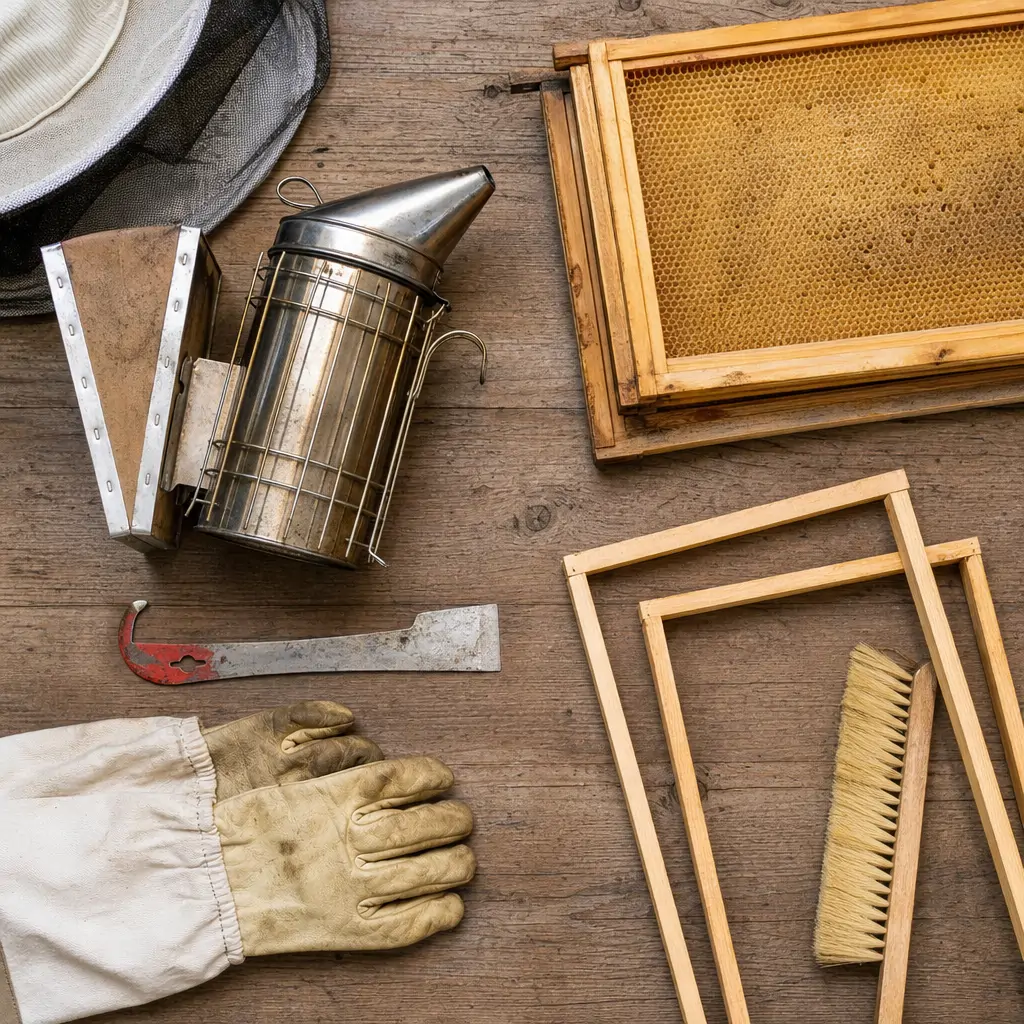
Because gear purchases add up quickly, many readers want a clear-eyed look at the numbers before committing. A breakdown of the cost of beekeeping walks through realistic first-year expenses, from woodenware to protective clothing, so you can budget appropriately instead of guessing. This is often one of the first questions people search for, and understandably so — it shapes whether the hobby feels approachable or intimidating.
Choosing the Right Hive System
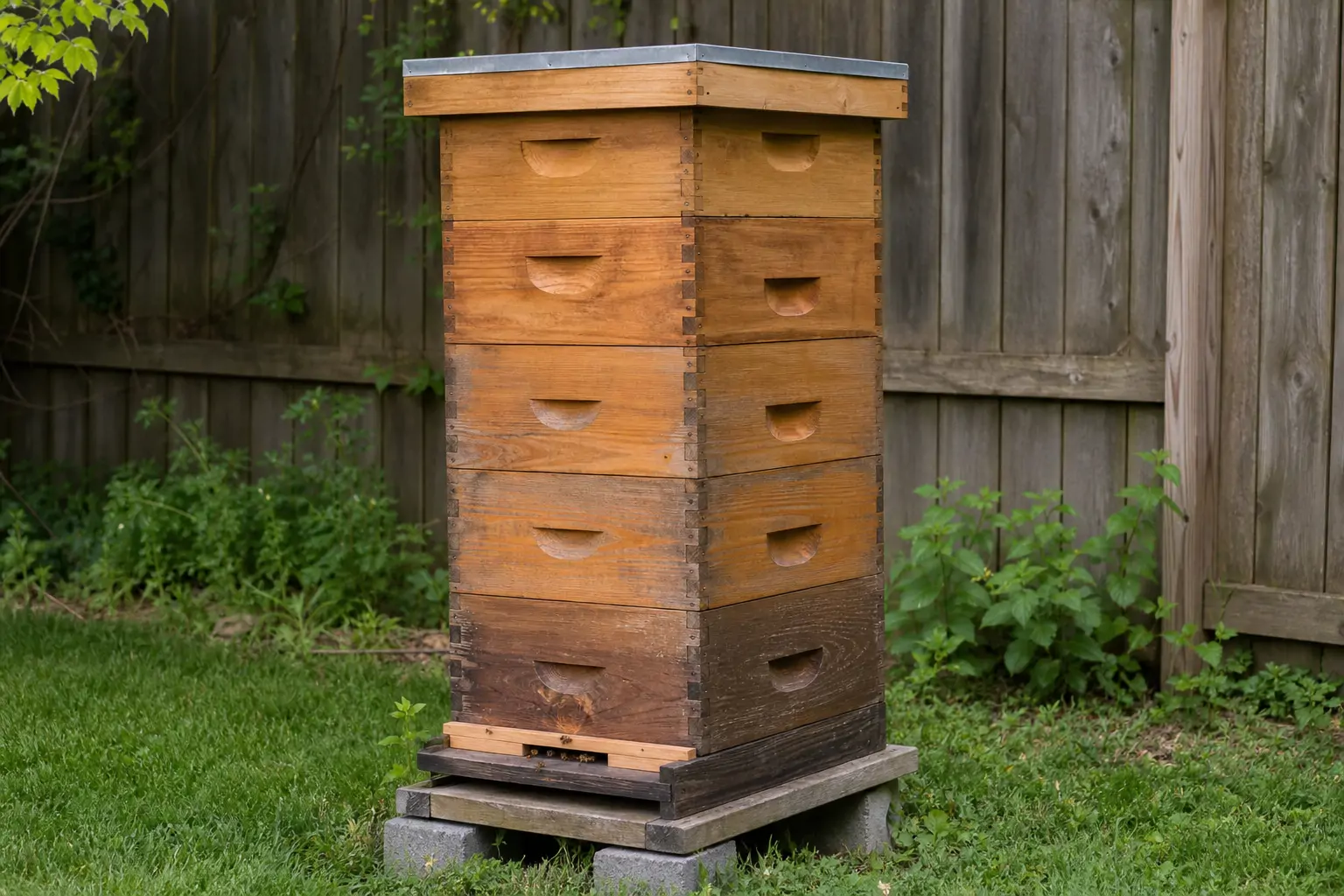
Not all hives are built the same way, and the style you choose affects everything from inspection habits to honey harvesting later on. A dedicated look at the best beehive for beginners compares the common designs and explains why certain configurations tend to suit first-time keepers better than others. This decision usually comes right after the budget conversation, since hive style directly influences overall cost.
Once a hive is selected, the next logical question is how to actually populate it. A guide focused on how to get bees for a new hive explains the primary sourcing methods available to beginners, along with the timing considerations that come with each approach. This topic becomes urgent in late winter and early spring, when demand for bees rises sharply.
Rules, Safety, and Practical Setup
Legality is one of those details easy to overlook until it causes a real problem. A resource on beekeeping laws and regulations explains how zoning, hive registration, and neighborhood rules can affect whether — and how — you're allowed to keep bees at all. This is genuinely worth reading before any money is spent on equipment, not after.
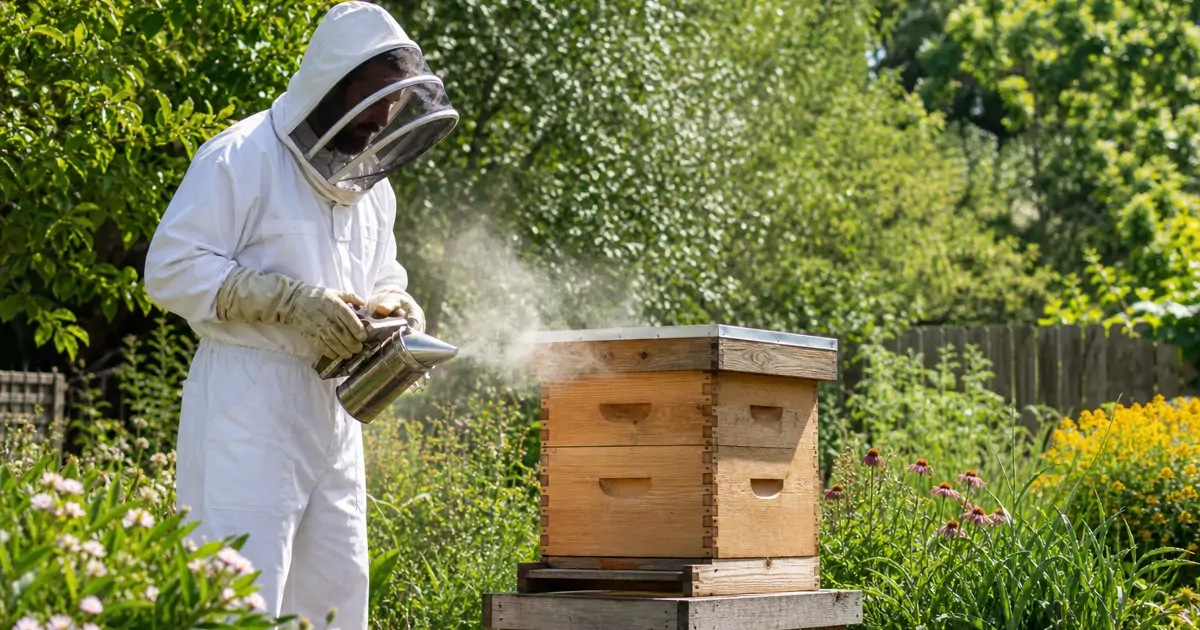
Personal safety is another area beginners underestimate. An article covering the beekeeping suit and related protective gear explains what actually protects against stings versus what's simply marketed as premium, helping new keepers avoid both unnecessary expense and unnecessary risk. This becomes relevant as soon as you're preparing for your first hive inspection.
A separate but related question many beginners ask is how many hives should a beginner start with. The answer affects budget, time commitment, and even how quickly you'll learn — and a full explanation of the tradeoffs lives in its own dedicated article.
Timing, Education, and Location
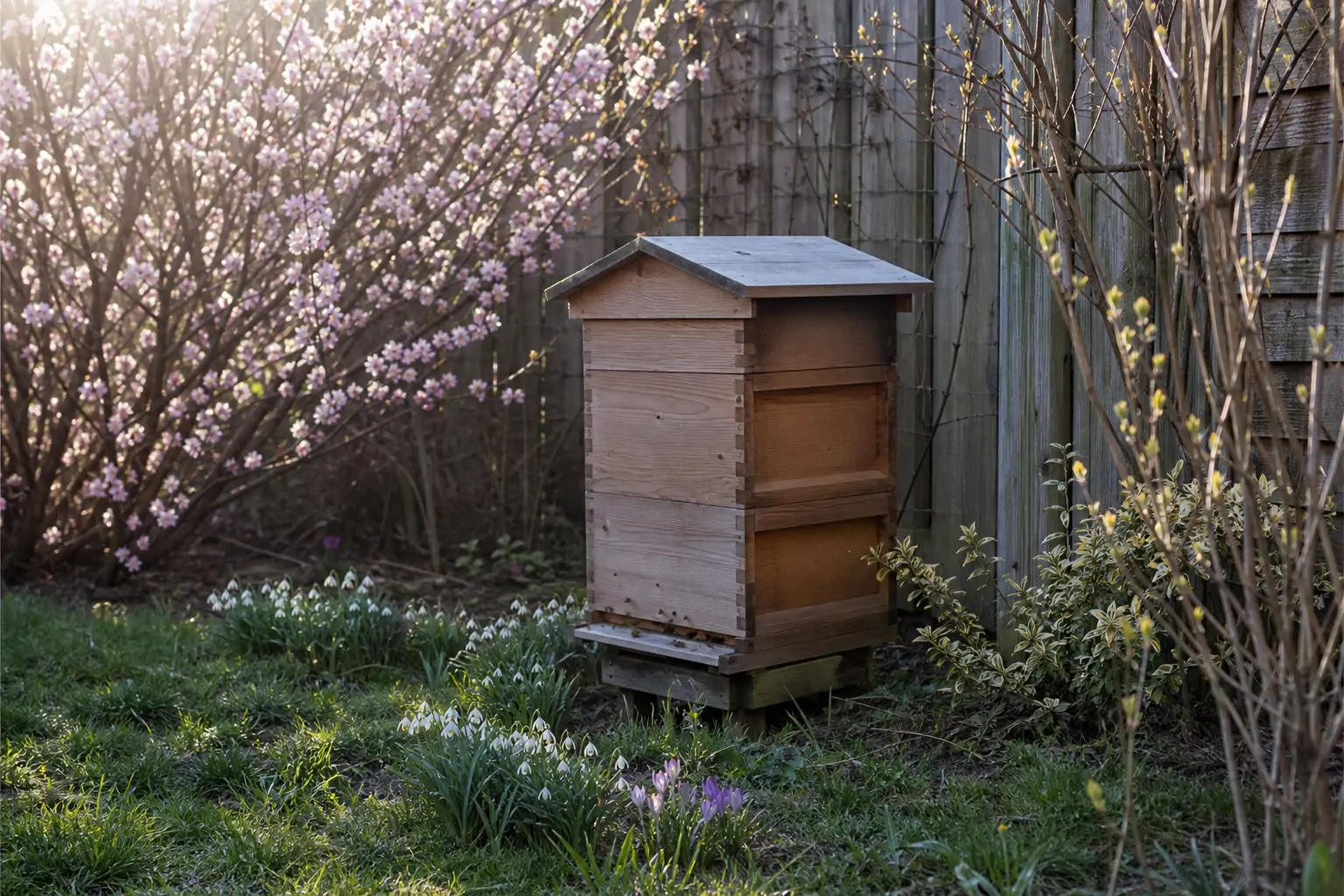
Bees don't operate on a flexible schedule, and starting at the wrong point in the year can set a colony back before it has a chance. A guide to the best time of year to start beekeeping explains the seasonal windows that matter most and why waiting even a few weeks can change outcomes significantly.
Reading alone only goes so far. Many beginners find that hands-on instruction accelerates their learning curve considerably, which is why a resource pointing toward beekeeping classes near me can be so useful — local instructors and mentors often catch mistakes that no article can anticipate.
Finally, where the hive physically sits in a yard affects sun exposure, neighbor relations, and even bee temperament. A focused piece on where to place a beehive covers the practical factors — wind direction, foot traffic, water access — that determine whether a hive setup succeeds or causes ongoing headaches.
How These Topics Fit Together
None of these subjects exist in a vacuum. Legal research and hive placement are closely linked, since local rules often dictate setback distances from property lines. Equipment choices and cost planning overlap almost entirely, since the gear list is what generates the budget in the first place. Hive selection and bee-sourcing decisions are similarly connected, because certain hive styles pair more naturally with certain methods of acquiring bees.
A sensible reading order for most beginners looks something like this: confirm local legality first, then research costs and equipment together, choose a hive style, decide how many hives to start with, figure out timing and sourcing, and only then start thinking about ongoing classes and mentorship for the season ahead. That said, there's no strict requirement to read in order — readers already deep into one decision, such as hive placement, can jump straight to that article without losing context.
Conclusion
Getting started with backyard bees involves more moving parts than most newcomers expect, but none of those parts are especially complicated on their own. Understanding how to start beekeeping simply means breaking the process into its natural stages — legality, budget, equipment, hive choice, bee sourcing, timing, and placement — and tackling them roughly in that order. Use this page as a starting reference, and return to it whenever you need to figure out which specific guide answers the question in front of you.