Why Bees Are Dying: Colony Collapse Disorder Explained
Why Bees Are Dying: Colony Collapse Disorder Explained
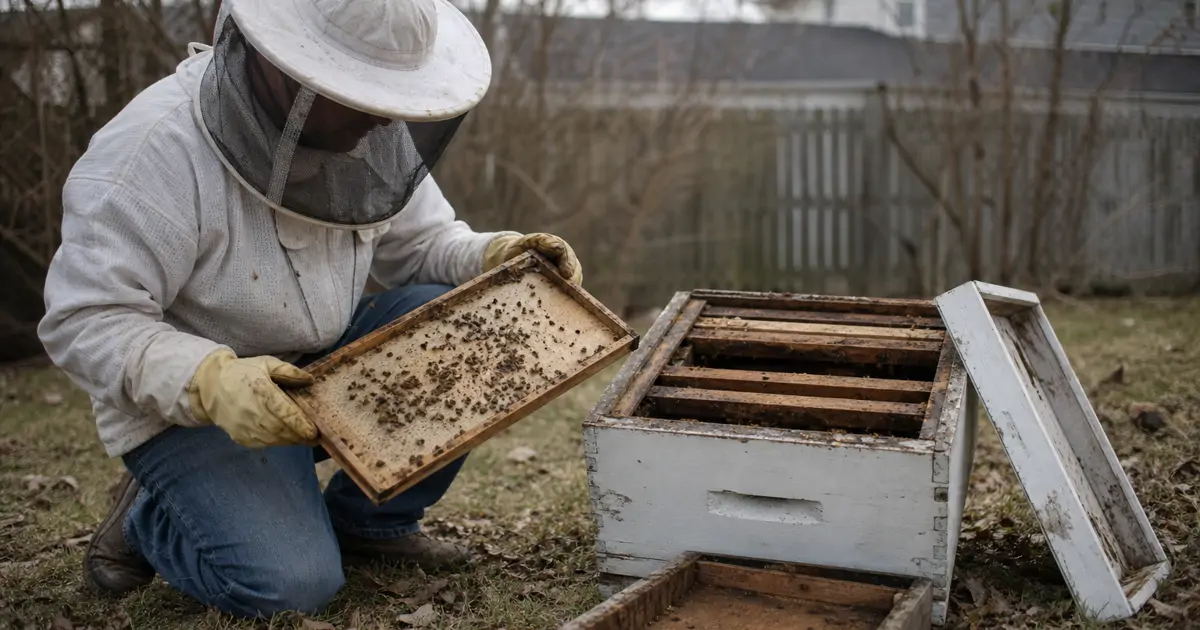
Few things unsettle a backyard beekeeper faster than pulling frames from a hive that was buzzing with activity weeks earlier, only to find it eerily quiet. Bees gone, honey stores untouched, and no obvious pile of dead workers on the bottom board. This scenario, and the broader pattern of unexplained losses across the country, is why so many hobbyists start searching for answers about why bees are dying and what colony collapse disorder actually involves.
The phrase gets used loosely online, often applied to any hive that dwindles or dies, when in reality it describes a fairly specific and relatively rare pattern of loss. Understanding the difference matters, because the response a beekeeper takes depends entirely on what's actually happening inside the hive. Chasing the wrong cause wastes a season and, in some cases, allows a treatable problem to spread to nearby colonies.
This article breaks down what colony collapse disorder really is, walks through the causes of colony collapse that researchers and experienced beekeepers point to most often, and helps readers distinguish it from the more common, more mundane reasons a hive quietly fails over winter or midsummer.
What Colony Collapse Disorder Really Means (and What It Doesn't)
Colony collapse disorder, often shortened to CCD, refers to a very particular set of symptoms: a hive with a robust worker bee population suddenly loses nearly all its adult workers within a short window, leaving behind a queen, some brood, and untouched honey and pollen stores. Critically, there are few or no dead bees found in or around the hive. The workers simply seem to vanish, as though they left for foraging trips and never returned.
This is different from what most backyard beekeepers actually encounter when a hive dies. Far more often, the cause is a pest infestation, a failing queen, disease, starvation, or a combination of stressors that build up gradually. If someone is asking why is my beehive dying and they can see a large cluster of dead bees, deformed wings, discolored brood, or a rapidly shrinking population over several weeks, that pattern points away from classic CCD and toward something more identifiable, and often more treatable.
The distinction matters practically. True colony collapse disorder, as originally defined during the sharp spike in unexplained losses in the mid-2000s, is now considered uncommon by many apiculture researchers, even though overall colony losses remain high every year. Most of today's losses trace back to identifiable causes rather than the mysterious disappearance pattern that gave CCD its name. That's actually useful news for hobbyists, because it means most hive deaths are preventable with better monitoring and earlier intervention.
The takeaway here is simple: not every dead hive is colony collapse disorder, and assuming it is can cause a beekeeper to overlook a treatable problem sitting in plain sight.
The Causes of Colony Collapse: What's Actually Killing Hives
Researchers rarely point to a single cause when discussing why bees are dying at the scale seen over the past two decades. Instead, the prevailing view is that multiple stressors compound each other, weakening a colony to the point where it can no longer recover from what would otherwise be a manageable setback. Thinking about causes of colony collapse as a stack of pressures, rather than one villain, tends to lead to better management decisions.
Varroa Mites and the Viruses They Spread
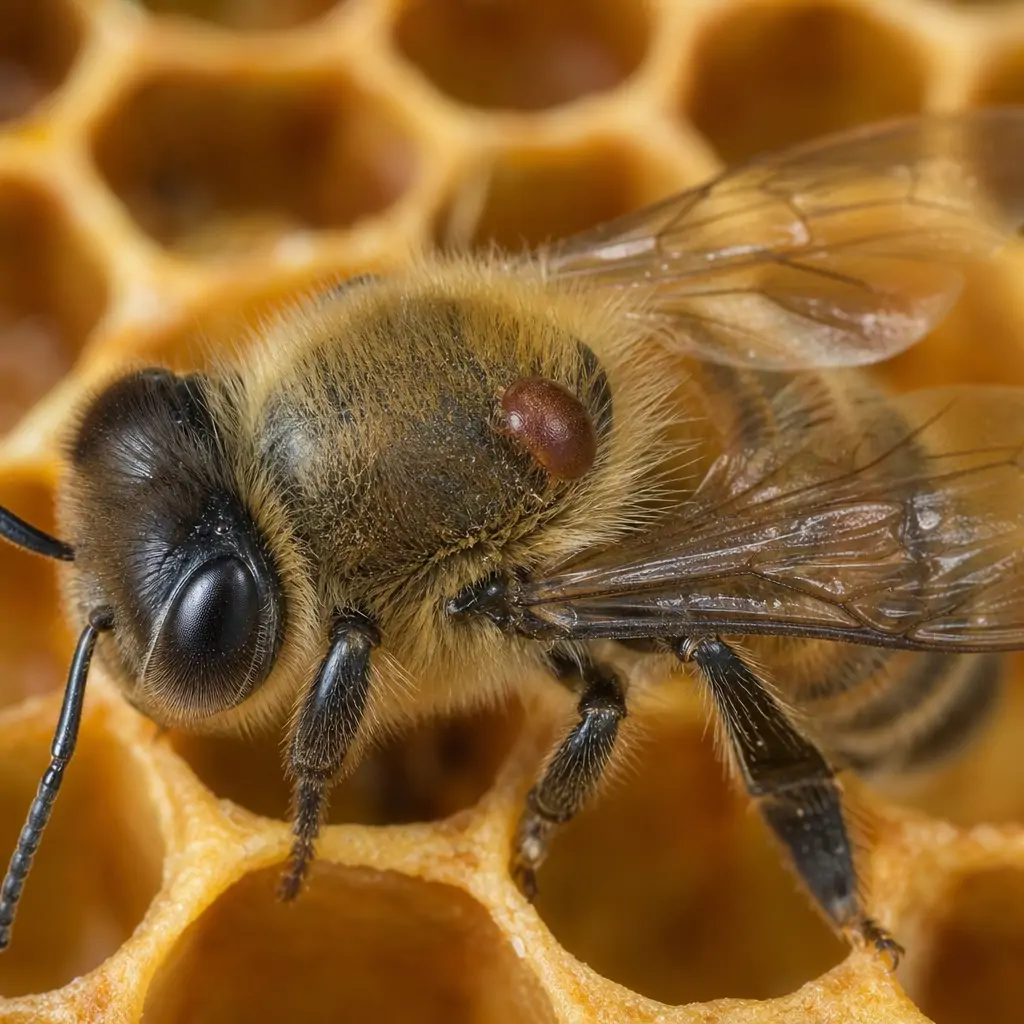
Varroa destructor mites are widely considered the single most damaging factor in modern colony losses. These parasites feed on developing brood and adult bees, but the real danger comes from the viruses they transmit while feeding, including deformed wing virus. A colony can carry a mite load for months without an obvious crash, then collapse rapidly once the viral load crosses a threshold the colony can no longer tolerate. This is one reason mite counts should be checked on a set schedule rather than only when bees look visibly unwell; by the time symptoms are obvious, the damage is often already severe. Unusual mite counts or visible deformities on emerging bees may indicate a problem and should be evaluated by a qualified professional or an experienced local beekeeper familiar with regional mite pressure.
Pesticide Exposure and Nutritional Stress
Agricultural and residential pesticide use, particularly certain classes of insecticides, has been linked to sublethal effects on foraging behavior, navigation, and immune function in honey bees. A forager doesn't need to die outright for pesticide exposure to matter; impaired navigation alone can mean workers leave the hive and simply fail to find their way back, which mirrors the disappearing-worker pattern associated with collapse. Layered on top of this is nutritional stress. Large stretches of mowed lawns, monoculture farmland, and urban landscaping with few flowering plants leave bees with a narrow, sometimes nutrient-poor diet for much of the season. A colony running on nutritional deficits has less capacity to fight off disease or recover from mite pressure, which is exactly why these stressors are discussed together rather than separately.
Poor Hive Management and Overlooked Stressors
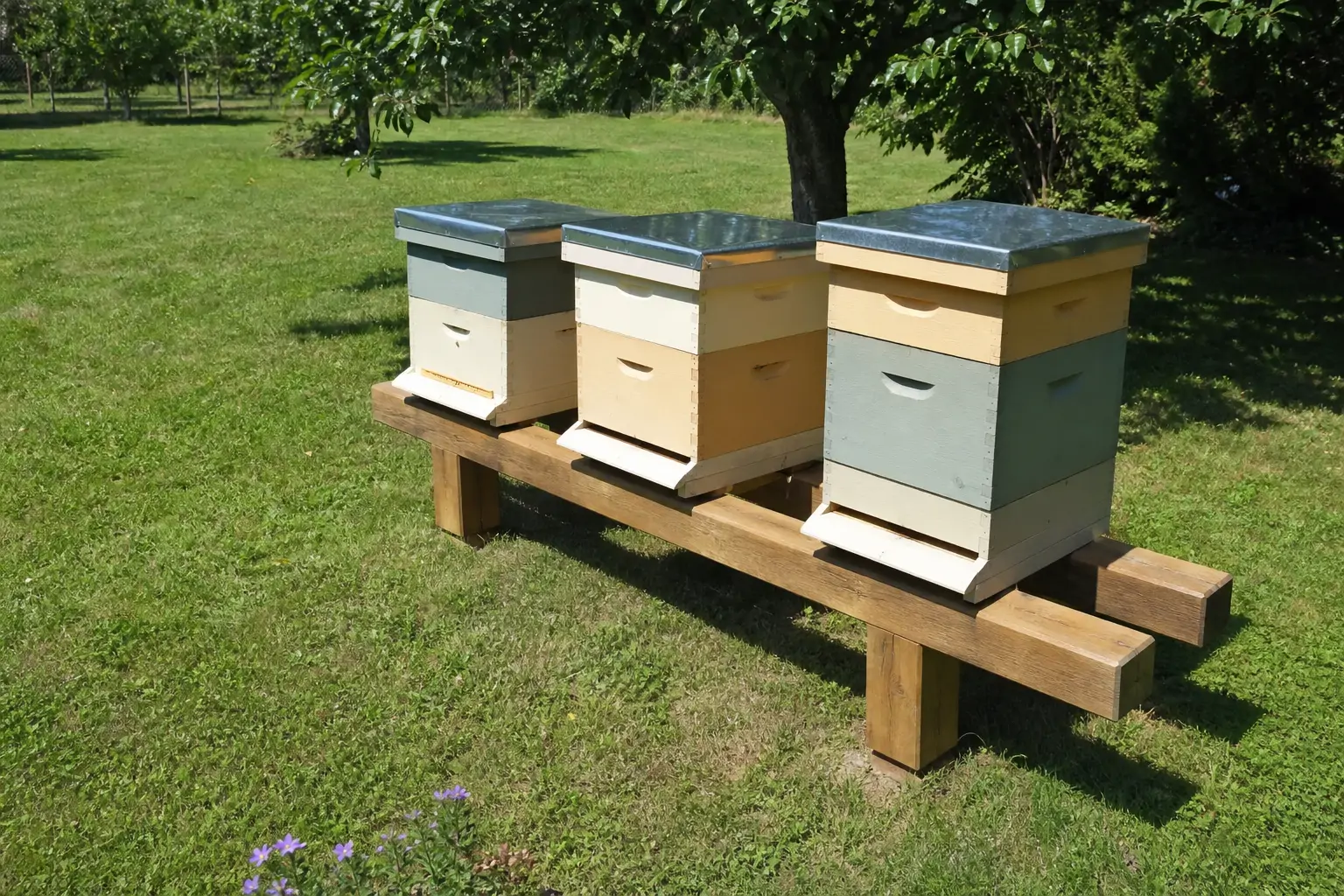
Backyard hives fail for management reasons more often than owners like to admit. A queen that stops laying reliably, a hive that gets robbed by a stronger neighboring colony, or a box left unventilated during a heat spike can each trigger a decline that looks dramatic but has a straightforward explanation. One frequently overlooked factor is moisture buildup inside the hive during winter, which can be just as deadly as cold temperatures themselves. Another is inadequate space management during a strong nectar flow, which can trigger swarming and leave the remaining colony too small to build winter stores in time. These aren't exotic problems, but they're consistently underestimated by newer beekeepers who assume die-offs must have a dramatic cause.
Taken together, these three categories rarely act alone. A mite-stressed colony with limited forage and a management oversight during a heat wave is far more likely to collapse than a colony facing just one of those pressures, which is the core reason multi-factor stress is now the leading explanation among researchers studying causes of colony collapse.
Common Mistakes When Diagnosing a Dying Hive
One of the most common mistakes backyard beekeepers make is assuming a sudden, unexplained loss must be colony collapse disorder simply because it happened quickly. In practice, a fast decline is more often explained by acute robbing, a rapid mite crash, or a pesticide exposure event tied to nearby spraying, all of which leave different physical clues if the hive is inspected carefully rather than written off immediately.
Another recurring error is inspecting only once after noticing trouble, rather than tracking the hive over several visits. Signs of a sick beehive often develop in stages: a slightly patchy brood pattern one week, a noticeably smaller cluster the next, then a sudden drop-off. Catching the early stage gives a beekeeper time to intervene; waiting until the hive is nearly empty usually means the window for correction has closed.
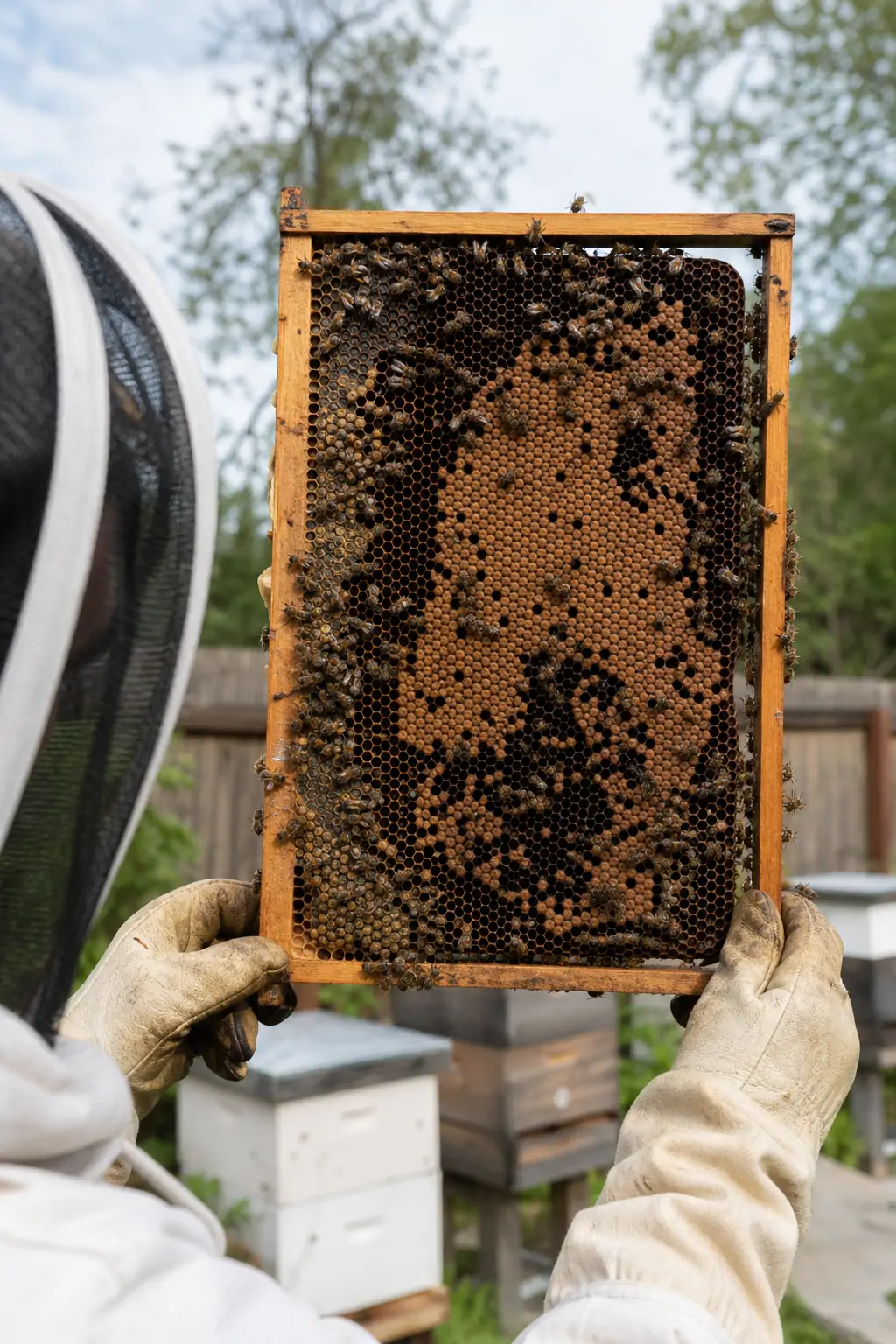
A third mistake is focusing entirely on internal hive conditions while ignoring external pressure. Robber bees prevention gets overlooked constantly, yet a weakened colony that gets robbed out by a stronger hive nearby can look, from the outside, exactly like a mysterious disappearance. Checking entrance activity patterns and looking for torn-open wax cappings can quickly rule this in or out. Similarly, queenless hive symptoms, such as multiple eggs per cell or an absence of eggs altogether, point to a specific and often correctable issue rather than an unexplained collapse.
The practical lesson is that careful, repeated observation almost always reveals a more specific and more actionable cause than the catch-all explanation of colony collapse disorder. Treating every hive death as a mystery removes the opportunity to fix what's actually fixable.
Dying hives are rarely as mysterious as the term colony collapse disorder suggests. Most losses trace back to a combination of mite pressure, nutritional or chemical stress, and management gaps that compound over weeks or months rather than happening overnight. Regular inspections, consistent mite monitoring, and attention to forage quality remain the most reliable tools backyard beekeepers have for catching trouble early.
For anyone still asking why bees are dying in their own backyard, the answer is usually sitting inside the hive itself, in the brood pattern, the mite counts, and the behavior at the entrance, waiting to be noticed before it becomes irreversible.