Honey Bee Health, Pests & Diseases Explained
Honey Bee Health, Pests & Diseases Explained
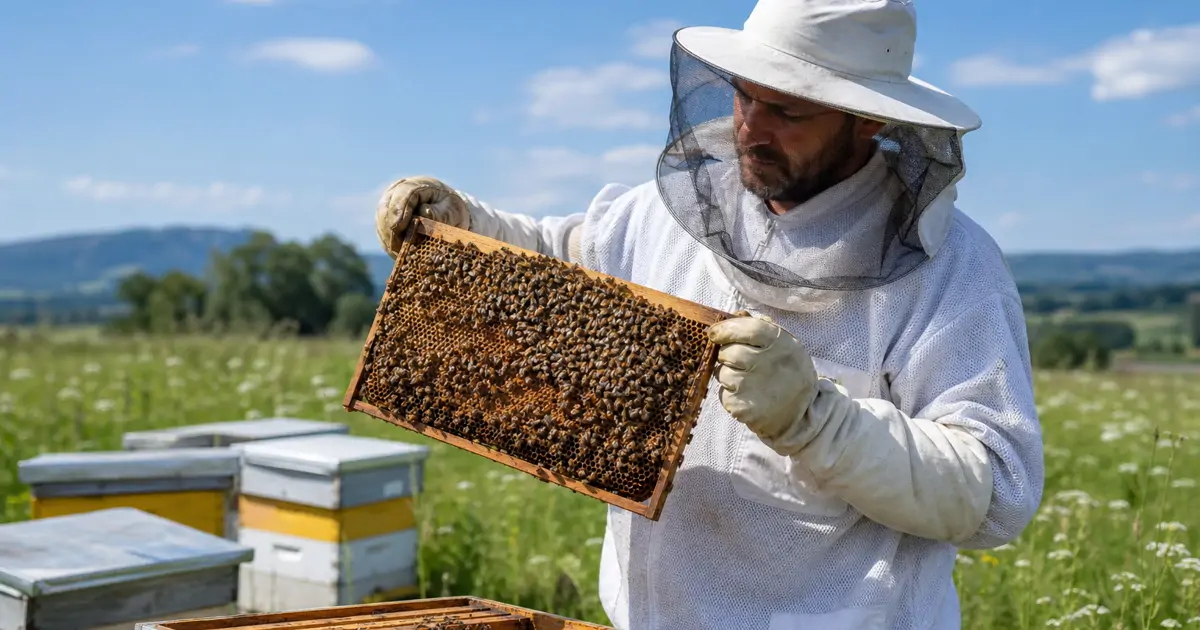
Every backyard beekeeper eventually runs into the same uneasy moment: a hive that looked fine last week suddenly seems off. Fewer bees at the entrance, a strange smell, spotty brood, or bees that seem sluggish and confused. These are the moments when understanding honey bee diseases and beehive pests stops being an academic interest and becomes urgent.
Bee colonies face a surprisingly wide range of threats, from microscopic pathogens to opportunistic insects that move in the moment a hive weakens. Some issues are seasonal and predictable. Others appear suddenly and spread fast if left unaddressed. Knowing what you are dealing with, and knowing it early, is often the difference between a colony that recovers and one that collapses.
This page is meant to orient you. Rather than walking through every treatment protocol or diagnostic detail here, it maps out the major categories of bee health problems so you can quickly identify which specific guide in this cluster actually answers your question.
Topic Overview
Beehive troubles generally fall into a few broad categories, and most backyard beekeepers will eventually encounter more than one. Parasitic mites are probably the most widespread concern in modern beekeeping, quietly weakening colonies over months. Bacterial and fungal diseases, while less common, can be far more destructive when they do appear, sometimes requiring an entirely different response than a pest infestation would. Then there are secondary invaders, insects like beetles and moths that rarely cause trouble in a strong hive but take advantage quickly once a colony is stressed, queenless, or in decline.
Beyond pests and pathogens, there are structural and seasonal challenges that affect colony health just as much. A failing queen, a robbing event, or an unprepared hive heading into winter can all produce symptoms that look, at first glance, like disease. Part of what makes diagnosing common bee diseases and pests tricky is that many of these issues share overlapping symptoms, so a systematic approach matters more than guesswork.
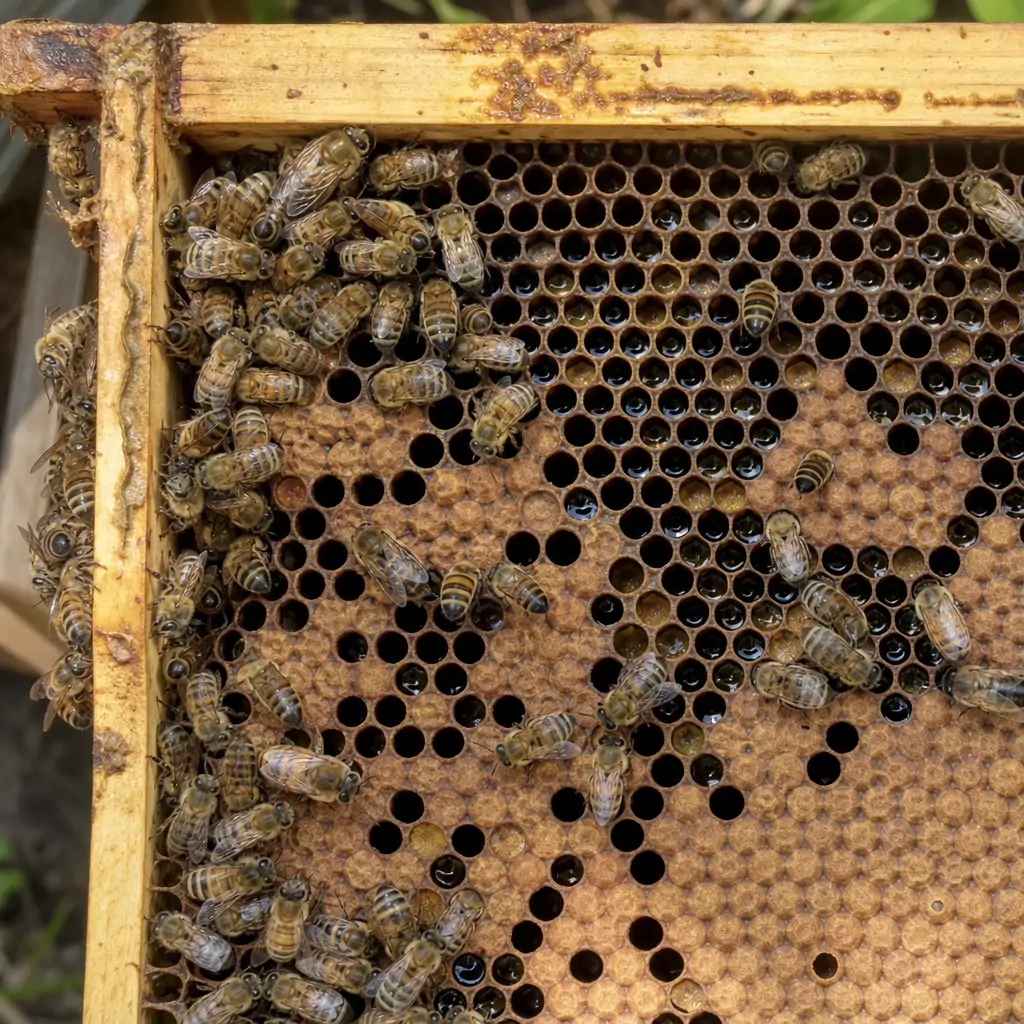
The goal across this cluster is to help you narrow things down step by step: first identify what category of problem you are likely facing, then move to the specific article that walks through identification and next steps in detail.
Varroa Mite Treatment
Varroa mites are widely considered the single most damaging pest in backyard beekeeping, weakening bees directly and spreading viral infections in the process. If you have noticed deformed wings on emerging bees, a declining population despite decent forage, or simply want to build a proactive monitoring routine, this is where to start. The dedicated guide on varroa mite treatment covers monitoring thresholds, treatment timing, and how to choose an approach that fits your climate and hive setup.
Signs of a Sick Beehive
Sometimes the challenge isn't identifying a specific pest but recognizing that something is wrong in the first place. A hive that sounds different, smells off, or shows irregular brood patterns is sending signals worth investigating. The article on signs of a sick beehive is the right starting point for readers who suspect a problem but aren't yet sure what they're looking at.
Hive Beetles Identification and Control
Small hive beetles thrive in warm, humid climates and tend to appear in colonies that are already under stress, whether from a weak queen, overcrowding, or reduced ventilation. Readers dealing with slimed-out frames or a fermented odor near the hive entrance should look into hive beetles identification, which explains how to distinguish beetle damage from other issues and manage an active infestation.
Wax Moths in Beehives
Wax moths rarely attack a healthy, well-populated colony, but they move in fast once comb is left unguarded, whether in a weak hive or in stored equipment. If you've found silky webbing or tunneling through old comb, the guide on wax moths in beehives explains how infestations develop and how to protect both active hives and off-season storage.
American Foulbrood Symptoms
Few diseases carry as much weight among beekeepers as American foulbrood, a bacterial infection that can devastate a colony and, in many regions, requires reporting to local agricultural authorities. Recognizing the early warning signs matters enormously, since delayed action can allow the disease to spread to neighboring hives. The dedicated page on american foulbrood symptoms explains what patterns in the brood comb should raise concern.
Nosema Disease in Bees
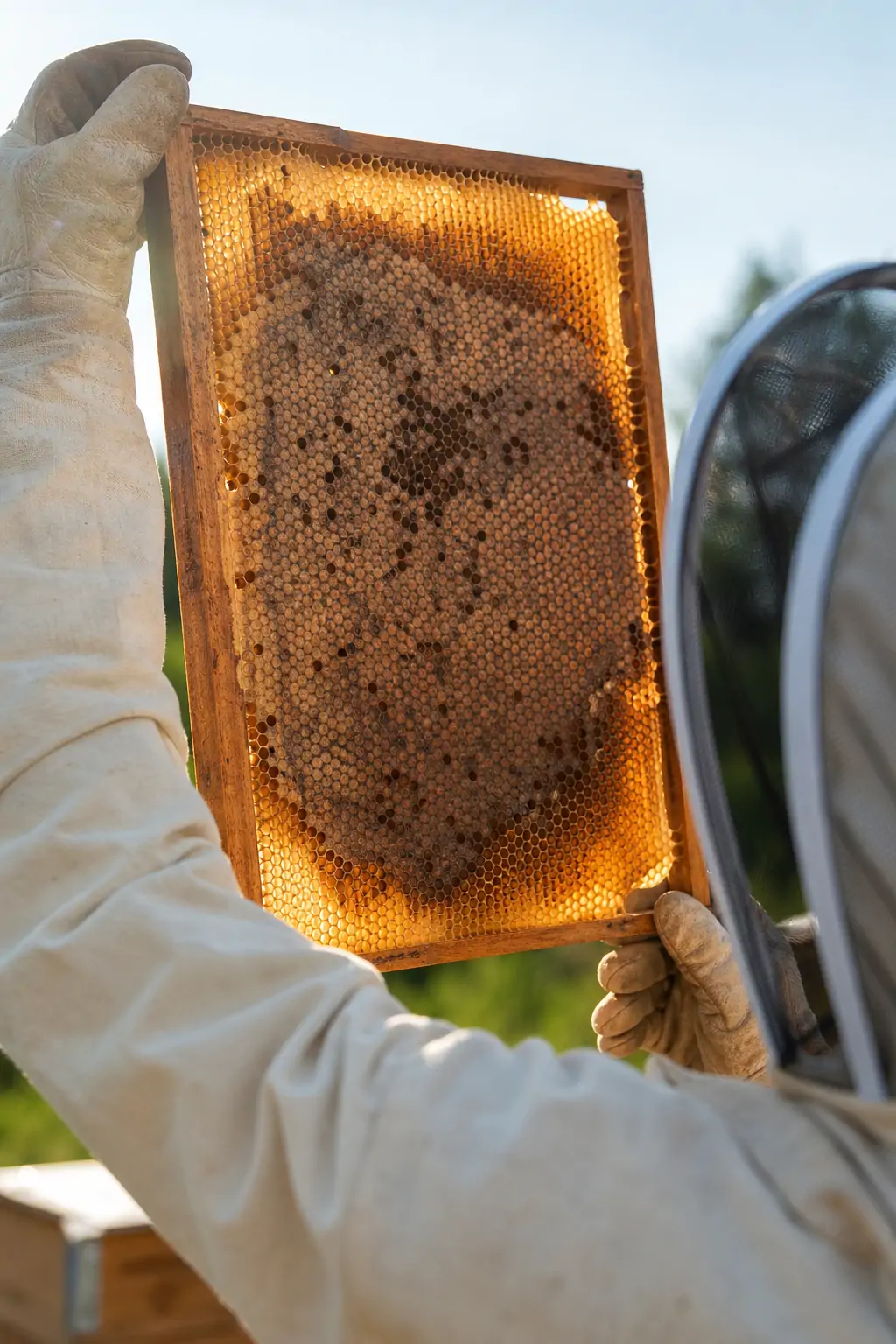
Nosema is a gut pathogen that tends to surface during cool, damp stretches of the year, often showing up as dysentery-like staining near the hive entrance or a general decline in colony vigor. Because these signs can resemble other stress-related issues, the article on nosema disease in bees walks through how to differentiate it and what supportive steps are typically recommended.
Queen Bee Problems
A colony's fate is closely tied to the health of its queen, and queen-related issues are among the most common reasons a hive underperforms or declines. Spotty brood patterns, unusual aggression, or a sudden drop in laying activity can all point toward queen bee problems, and the dedicated guide breaks down how to recognize a failing queen and what options are available from there.
Why Bees Are Dying Colony Collapse
Beyond individual pests and diseases, many backyard beekeepers want to understand the bigger picture: why colony losses have become such a persistent concern across the beekeeping community. The article addressing why bees are dying looks at the combination of factors, including pests, pesticide exposure, and habitat loss, that contribute to widespread colony decline.
Robber Bees Prevention
Robbing behavior tends to emerge during nectar dearths, when foraging bees from other colonies target a weaker hive's stored honey. This can escalate quickly, leaving a vulnerable colony stripped of resources within days. Readers noticing unusual fighting at the hive entrance should review robber bees prevention, which covers how to recognize the early stages of robbing and reduce the risk.
Winterizing a Beehive
Cold-weather preparation is one of the most consequential seasonal tasks in backyard beekeeping, and gaps in preparation often surface as health problems months later. The guide on winterizing a beehive covers insulation, ventilation, and food stores, all of which directly influence whether a colony emerges strong in spring or struggles with the aftereffects of a hard winter.
Cluster Relationship
These topics rarely exist in isolation. A colony weakened by varroa mites is far more susceptible to viral disease and less able to defend itself against robbing or beetle activity. A failing queen can create the kind of population gaps that invite wax moths or make a hive an easier target during a robbing event. Recognizing one issue often means checking for others nearby, since bee health problems tend to compound rather than occur in neat isolation.
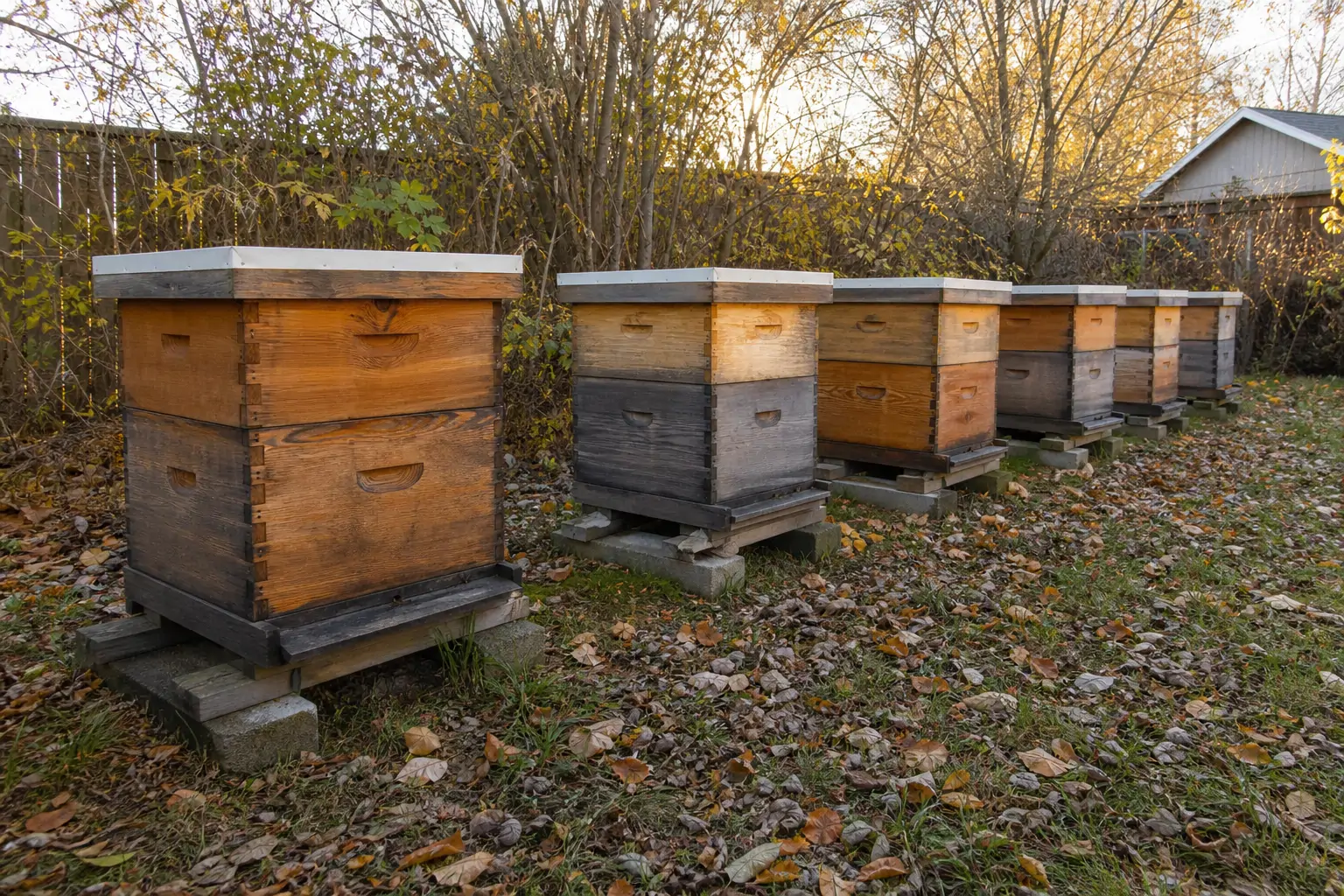
If you're not yet sure what you're dealing with, starting with the overview of signs of a sick beehive is usually the most efficient path, since it helps narrow down which specific guide applies to your situation. From there, seasonal topics like winterizing and robbing prevention pair naturally with pest and disease pages, since timing and colony strength influence nearly every risk on this list.
Understanding honey bee diseases and beehive pests is less about memorizing every possible ailment and more about building a habit of careful observation. Most serious problems give warning signs well before a colony is in real trouble, and knowing where to look, and which resource to consult, puts backyard beekeepers in a far stronger position to protect their hives season after season.
Every article in this cluster exists to answer one piece of that larger picture. Whether the concern is a specific pest, a struggling queen, or preparing for the months ahead, the path forward starts with correctly identifying the problem in front of you.