How to Get Bees for a New Hive: Complete Buyer's Guide
How to Get Bees for a New Hive: Complete Buyer's Guide
Once the hive boxes are built, the suit is hanging in the closet, and the backyard spot has been chosen, new beekeepers hit the same wall: where do the actual bees come from? It sounds like a simple question, but it trips up more beginners than almost any other step in the process. Bees are living animals with seasonal availability, regional shipping restrictions, and quality differences between sellers that aren't always obvious until months later.
This matters because the source and form of your bees directly shapes how your first season goes. A colony that starts weak, arrives sick, or gets shipped from too far away can struggle to build up before winter, leaving a new beekeeper discouraged before they've even had a full year of experience. Getting this part right sets the tone for everything that follows.
Figuring out how to get bees for a new hive really comes down to three decisions: who to buy from, what form the bees arrive in, and when to place the order. This guide walks through the practical side of each one, including how and where to buy honey bees from a trustworthy source, how package bees and nucleus colonies differ in real-world outcomes, and the mistakes that quietly derail more first hives than any pest or disease does.
Where to Buy Honey Bees
There are three realistic paths for sourcing bees, and each one carries different tradeoffs in cost, timing, and colony quality. Local bee breeders and sideline beekeepers are usually the strongest option for beginners, because the bees are already adapted to the regional climate and forage patterns. A colony raised two counties over behaves differently than one shipped in from a warm-climate breeding operation a thousand miles away.
Mail-order and shipped packages fill a real need, especially in regions where local supply is limited or where a specific bee genetic line is desired. The tradeoff is stress on the bees during transit, which can occasionally show up as a weaker start or a higher chance of queen issues in the first few weeks. Local pickup, even if it means driving an hour or two, tends to produce a calmer, more settled colony from day one.
Bee clubs and cooperative extension offices are an underused resource here. Many regional beekeeping associations coordinate group orders each spring, which often means better pricing and a guaranteed pickup date. A local beekeeping association near me search, or simply asking around at a beekeeping class, frequently turns up sellers that never show up in a general web search.
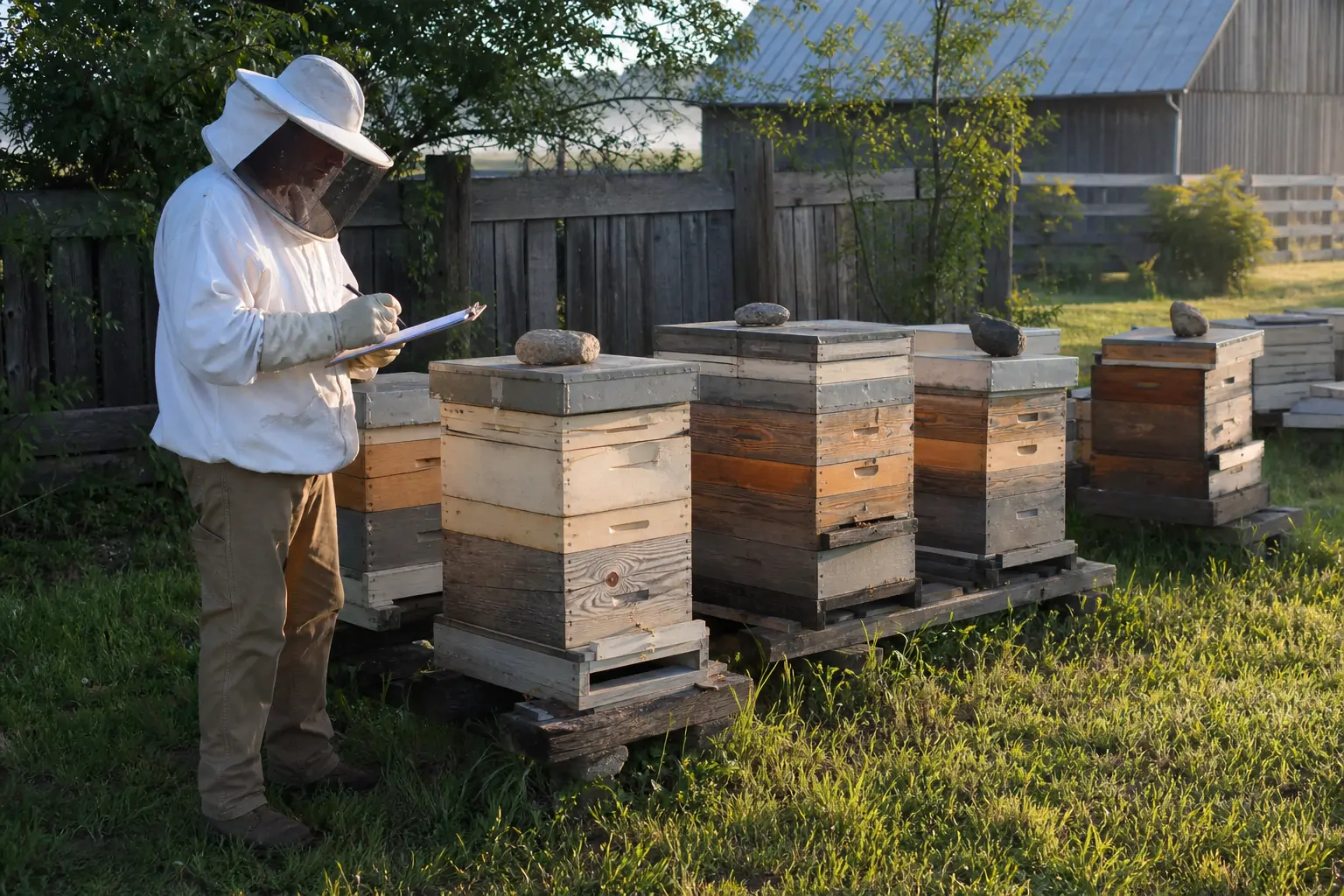
One overlooked consideration is asking a potential seller directly about mite treatment history and whether the apiary has had any recent disease inspections. A reputable supplier will answer this without hesitation. Vague or evasive answers are a signal to keep looking, regardless of how good the price seems.
Takeaway: local and regionally adapted bees generally outperform long-distance shipped bees in survival and early buildup, so start the search close to home before looking farther afield.
Nuc vs Package Bees: Which Should You Choose
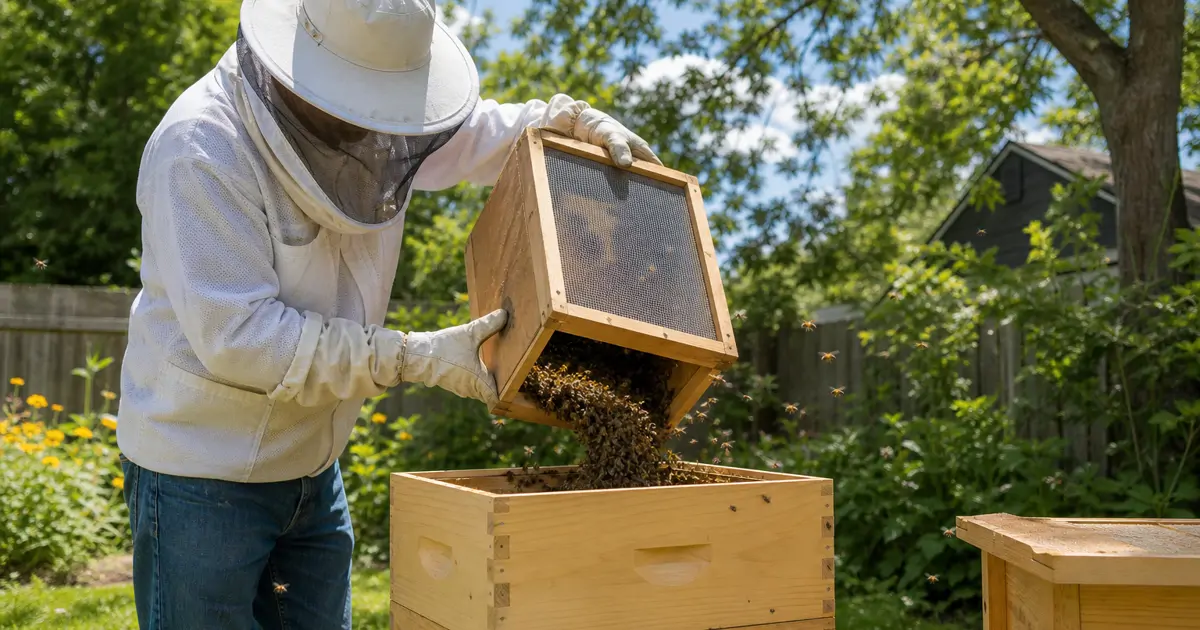
This is the decision that generates the most confusion for first-time buyers, and it deserves more than a quick summary. A package is a screened box containing a specific weight of loose bees, usually three or four pounds, along with a mated queen in a small separate cage. A nucleus colony, or nuc, is a small already-established colony built around frames of comb, brood, food stores, and a laying queen that has already been accepted by her workers.
| Factor | Package Bees | Nucleus Colony (Nuc) |
|---|---|---|
| Startup speed | Slower, must build comb from scratch | Faster, comb and brood already established |
| Cost | Generally lower | Generally higher |
| Queen acceptance | Some risk, queen is newly introduced | Low risk, queen already accepted |
| Shipping distance | Often shipped long distance | Usually local pickup only |
| Disease/pest history | Harder to verify | Easier to inspect frames directly |
What's Included in a Package
A standard package includes bees, a queen, and a can of syrup for feeding during transit, but nothing else. There's no comb, no brood, and no stored food, which means the colony has to build its entire home from bare foundation before it can even begin raising new bees in earnest. This is workable, and it's how most commercial operations start hives every spring, but it does mean a slower first six to eight weeks and a colony that's more vulnerable during that buildup period.
What's Included in a Nuc
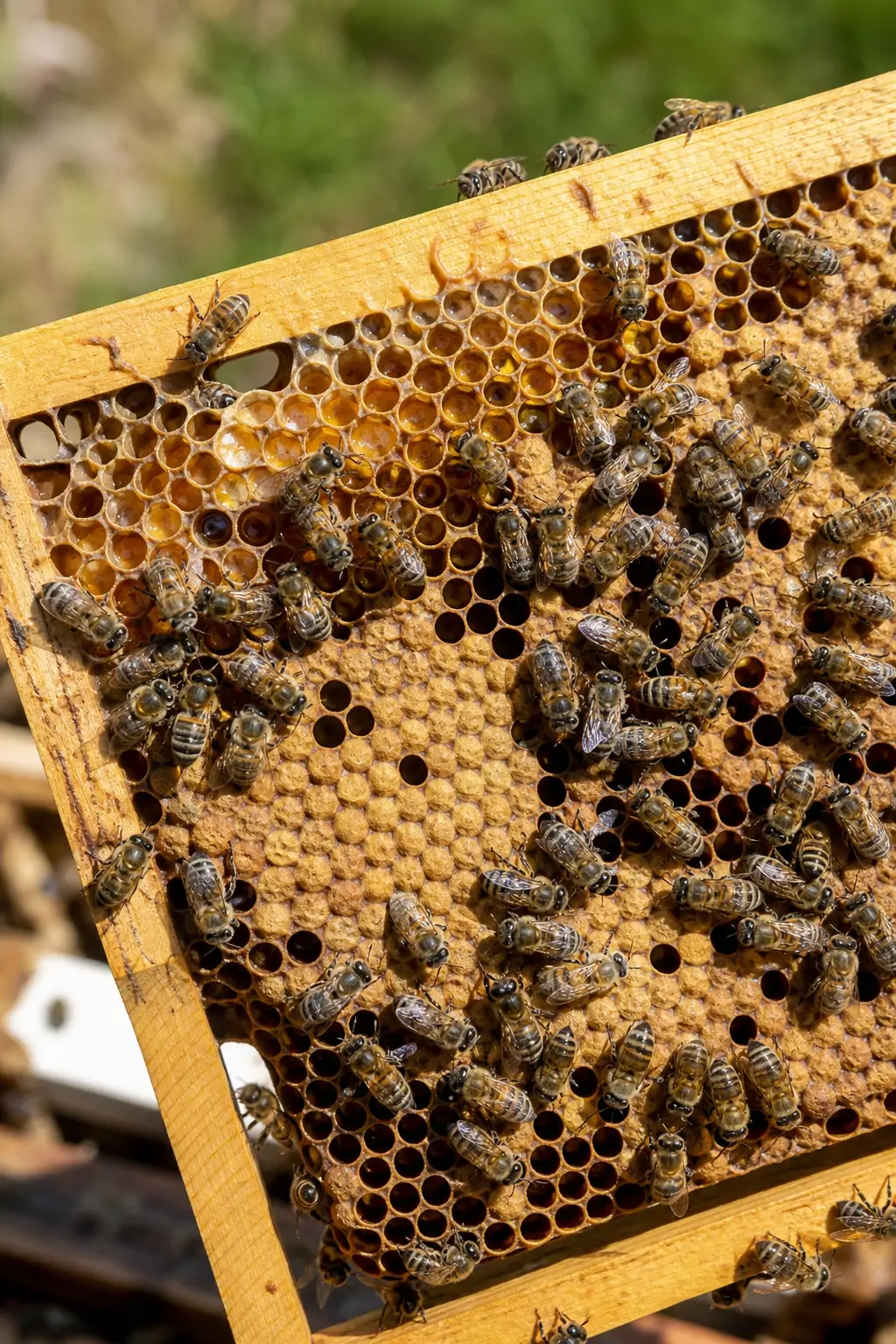
A nuc typically comes with four or five drawn frames already containing brood in various stages, honey and pollen stores, and a laying queen the colony has accepted as its own. This head start is significant. In practice, nuc colonies often reach full hive strength weeks ahead of package colonies started the same week, simply because they aren't starting from zero.
The nuc vs package bees decision often comes down to budget versus timeline. A tighter budget points toward buying package bees, while a beekeeper who wants a stronger first-year honey harvest, or who is starting later in spring than ideal, often benefits more from paying extra for a nuc. Neither option is objectively wrong; they simply suit different priorities and different starting circumstances. Anyone comparing where to buy honey bees locally versus ordering a shipped package should weigh this tradeoff before committing to either seller.
Takeaway: packages cost less but take longer to establish, while nucs cost more but give a colony a genuine head start heading into its first summer.
Practical Considerations When Buying Bees
Timing matters more than most new beekeepers expect. Ordering bees in January or February for spring pickup isn't overly cautious, it's often necessary, since reputable local sellers and regional suppliers frequently sell out of their spring inventory well before the season even starts. Waiting until April to start looking is one of the most common scheduling errors beginners make, and it often forces a choice between a lower-quality supplier or delaying the entire first season by a year.
It's also worth understanding local rules before bees ever arrive. Some municipalities have restrictions tied to beekeeping laws and regulations, including limits on hive counts or mandatory registration with a state apiary program. Sorting this out before bees show up avoids the awkward situation of having a colony with nowhere legally compliant to live.
Common Mistakes New Beekeepers Make
One frequently overlooked factor is failing to inspect a nuc before taking it home, when that option is available. A quick look at frame coverage, brood pattern, and general colony calmness tells a buyer far more than any online listing can. Buyers who skip this step sometimes discover, weeks later, that they paid full price for a colony that was already struggling.
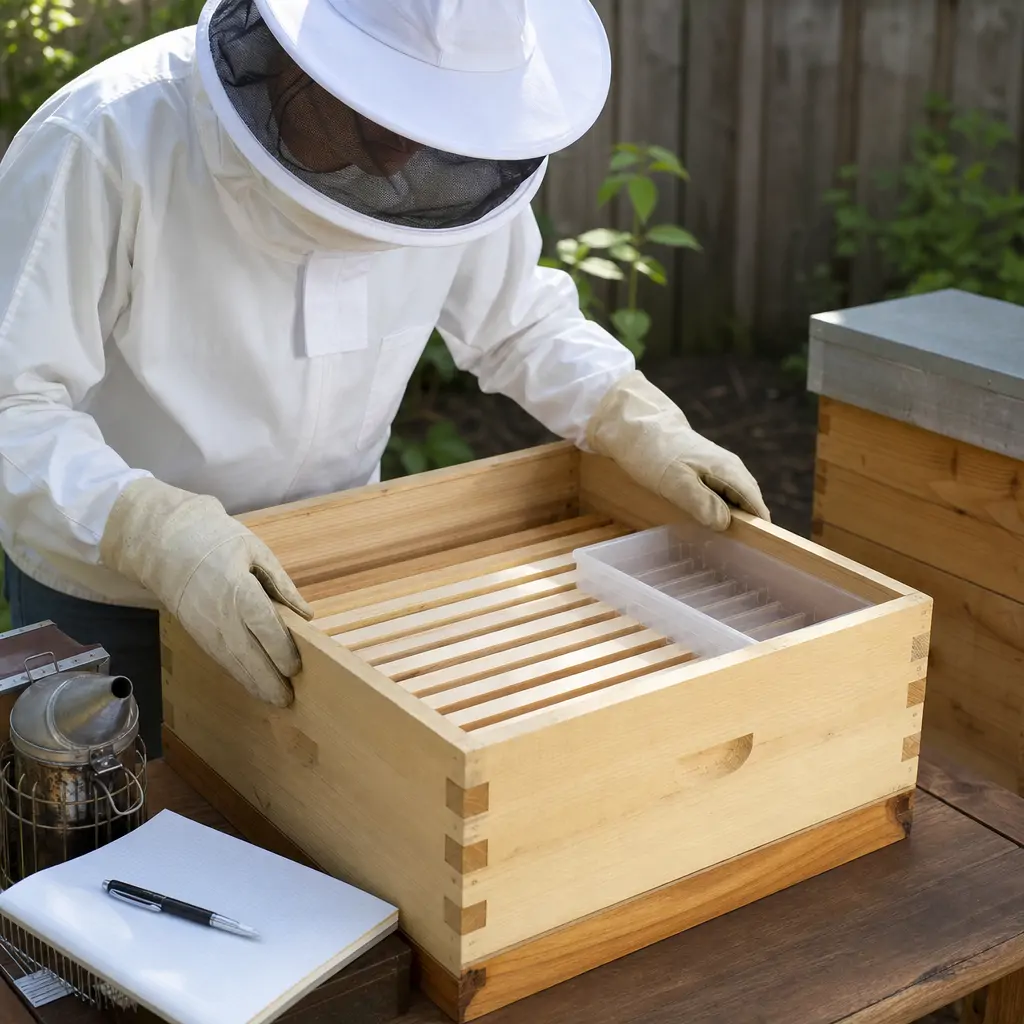
Another recurring mistake is installing bees into equipment that isn't fully ready. Bees delivered on schedule but placed into a hive missing frames, feeders, or proper ventilation often suffer avoidable setbacks in their first days. It's worth having every piece of beekeeping equipment for beginners assembled and weatherproofed at least a week before pickup, not the night before.
A less obvious issue involves transport stress. Bees driven long distances in a hot closed vehicle, or left in direct sun during a lunch stop, can arrive overheated or agitated. Keeping packages or nucs in a shaded, ventilated space during transport, and installing them the same day whenever possible, reduces this risk considerably.
Health-related symptoms deserve a cautious approach rather than guesswork. Unusual larval discoloration, a sharply spotty brood pattern, or a persistent foul odor from the hive may indicate a problem and should be evaluated by a qualified professional, such as a local bee inspector or experienced mentor, rather than diagnosed and treated based on a general internet search.
Takeaway: most early failures trace back to timing, unprepared equipment, or skipped inspections rather than bad luck, and all three are preventable with a little planning.
Getting bees for a new hive isn't complicated once the options are laid out clearly, but it does reward patience and a bit of homework. Whether the choice ends up being a locally sourced nuc or a shipped package, the goal is the same: a healthy, well-established queen and colony with enough time to build strength before the first real test of winter arrives. Reaching out to a nearby beekeeping association, asking pointed questions of any seller, and ordering earlier than feels necessary will do more for a first season's success than almost any piece of equipment in the beekeeping starter kit.