Beekeeping Laws and Regulations for Backyard Beekeepers
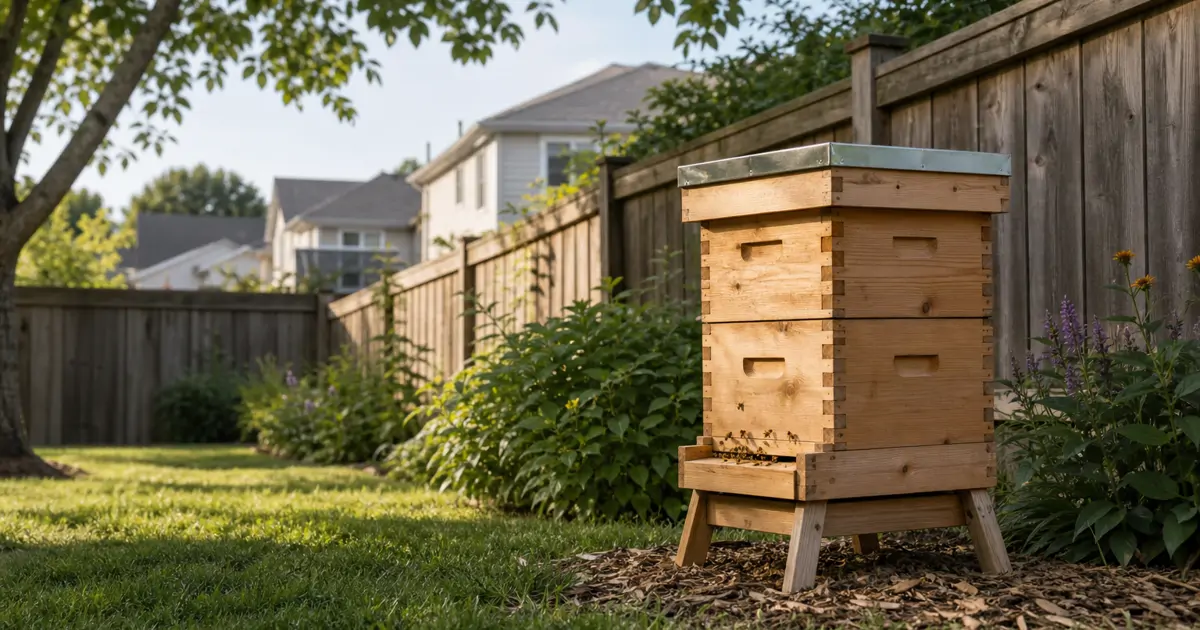
Beekeeping Laws and Regulations for Backyard Beekeepers
Anyone dreaming of keeping bees in their backyard eventually runs into the same wall: paperwork. Before a single frame goes into a hive box, most beekeepers need to figure out whether their city, county, or homeowners association even allows it. Beekeeping laws and regulations are not standardized across the United States, and that patchwork of rules is one of the least glamorous but most important parts of getting started.
This matters more than many beginners expect. A hive that violates a local ordinance can be ordered removed, sometimes after money has already been spent on equipment and bees. Neighbors can file complaints even when bees are perfectly healthy and non-aggressive, simply because a hive sits too close to a property line or wasn't registered where registration is required.
This article walks through how these rules typically work, how to research them for a specific address, what beehive registration requirements usually involve, and the mistakes that trip up new beekeepers most often. It's meant to fill in the practical detail that a general beginner's overview doesn't have room for.
Why Beekeeping Laws and Regulations Vary So Widely
There is no federal law governing backyard beekeeping in the United States. Regulation happens almost entirely at the state, county, and municipal level, and sometimes even at the neighborhood level through private agreements. That layered structure explains why one suburb can allow unlimited hives while a town twenty miles away bans them outright.
States typically handle apiary registration and disease inspection through their departments of agriculture, since bee health has agricultural and economic implications far beyond any one backyard. Counties and cities, on the other hand, usually regulate beekeeping the way they regulate other animals or land uses: through zoning codes, nuisance ordinances, and setback requirements. A city might classify honey bees as livestock in one part of its code and as a home occupation issue in another, which creates overlapping and sometimes contradictory rules.
A frequently overlooked factor is that municipal codes get updated inconsistently. Some cities revised their animal ordinances a decade ago to specifically address beekeeping, while others are still applying language written long before backyard hives became common. That gap means the written code and the actual enforcement practice don't always match, and a phone call to the local clerk's office often reveals more than the code text itself.
Takeaway: because oversight is split across state, county, and city levels, no single set of backyard beekeeping rules applies nationwide, and each layer needs to be checked separately.
How to Find Out Is Beekeeping Legal in My Area
Answering the question is beekeeping legal in my area usually requires checking three separate sources, not just one search. Skipping any of them is a common reason people discover a problem only after bees are already installed.
Checking Municipal Zoning Codes
Most cities publish their municipal code online, and beekeeping rules typically live inside the animal control or agricultural use sections rather than under a dedicated heading. Search terms like apiary, honey bee, or beekeeping within the city's code search tool usually surface the relevant language faster than browsing by chapter.
Zoning codes commonly address a handful of recurring issues: how many hives are permitted per lot size, how far a hive must sit from property lines or neighboring structures, whether a flyway barrier is required to direct bee flight paths upward, and whether a permit or notification to neighbors is needed before installing a hive. Some ordinances also restrict beekeeping to certain zoning classifications, allowing it on larger residential lots but not on small urban ones.
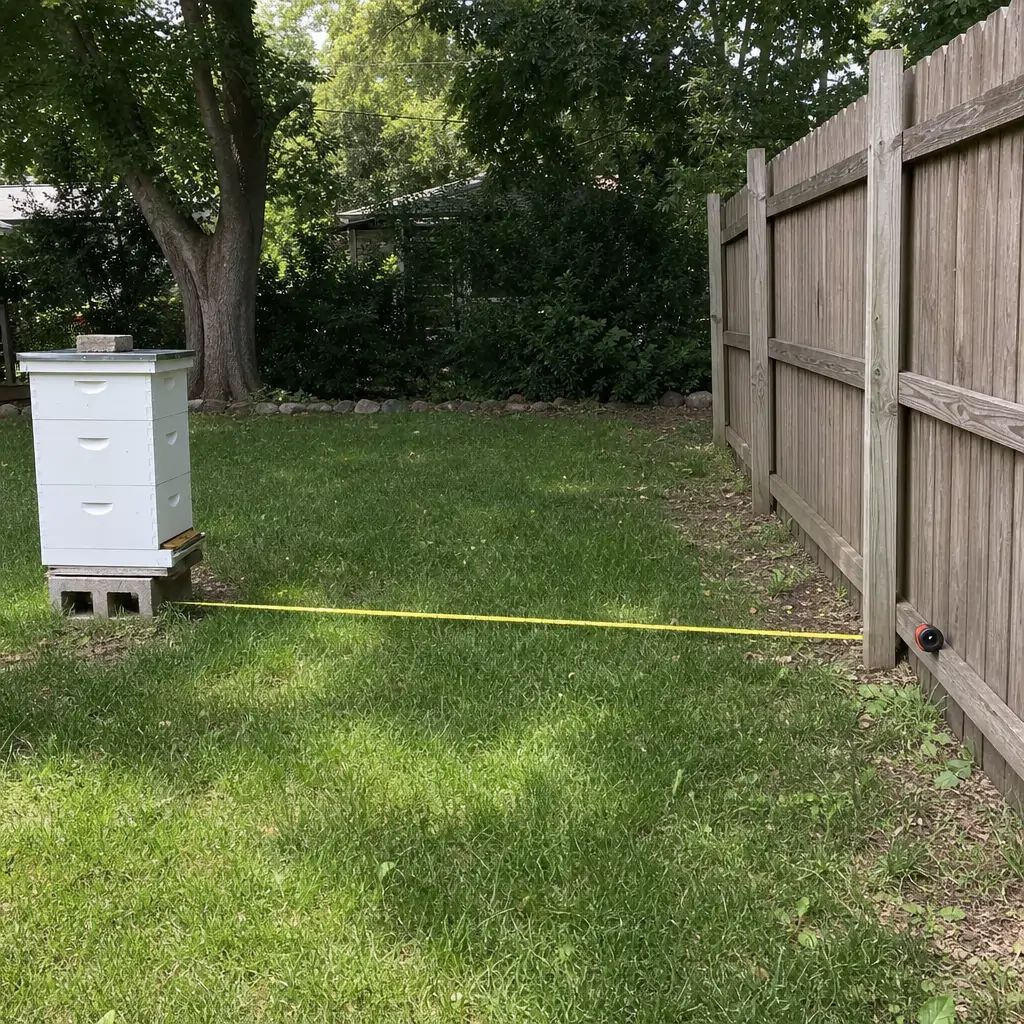
One detail that trips people up is setback distance. A code might require hives to sit twenty-five feet from a property line unless a six-foot barrier or fence is in place, in which case the setback shrinks significantly. Skimming the rule without noticing the fence exception has led more than one beginner to assume their yard was too small when it actually wasn't.
HOA Covenants and Private Deed Restrictions
Even where a municipality allows beekeeping outright, a homeowners association can still prohibit it through its own covenants, conditions, and restrictions. These private agreements function independently of city or county law, and violating them can lead to fines or legal action even if the beekeeper is fully compliant with local government rules.
This is one of the most commonly missed steps in research. People check the city website, see no prohibition, and assume they're clear, without realizing their HOA governing documents contain a separate and sometimes stricter rule. Reading the actual covenant document, not just asking a neighbor what they believe the rule to be, is the only reliable way to confirm this.
Takeaway: legality has to be confirmed at the municipal level and, separately, through any HOA or deed restrictions, since either one can independently block a hive.
Registration, Hive Limits, and Common Compliance Mistakes
Beyond the question of whether beekeeping is allowed at all, many jurisdictions layer on additional requirements once a hive is legally permitted. These typically involve registering the hive with a state agency and following specific placement and density rules.
Beehive Registration Requirements by State
A majority of states operate some form of apiary registration through their department of agriculture, though the details differ significantly. Some states require registration only above a certain number of colonies, effectively exempting small backyard operations. Others require every hive to be registered regardless of size, often for a modest annual fee, and use that registry to track disease outbreaks like American foulbrood or to coordinate inspections during agricultural events.
Registration typically asks for basic information: the beekeeper's name and address, the number of colonies, and the physical location of the apiary if it differs from the mailing address. Some states also require notification before moving hives across county lines, since pest and disease control programs rely on knowing where colonies are located at any given time.

It's worth noting that state registration and city zoning approval are two separate systems that don't automatically inform each other. Registering with the state does not grant permission to keep bees within city limits, and getting a local permit doesn't fulfill a state registration requirement if one exists. Both need to be handled independently, and treating one as a substitute for the other is a mistake that surfaces more often than people expect.
Common Mistakes New Beekeepers Make With Local Rules
A recurring pattern among first-time beekeepers is assuming that because beekeeping is legal somewhere nearby, it's automatically legal on their specific lot. Zoning classifications can change from one block to the next, and a rule that applies to a neighbor's larger lot may not extend to a smaller one down the street.
Another common misstep involves hive placement and direction. Even where no formal setback exists, orienting hive entrances toward a neighbor's patio or a shared walkway invites complaints regardless of whether any law is technically broken. Complaints, even unfounded ones, can prompt a city to review or tighten its ordinance, which affects every beekeeper in the area, not just the one involved.
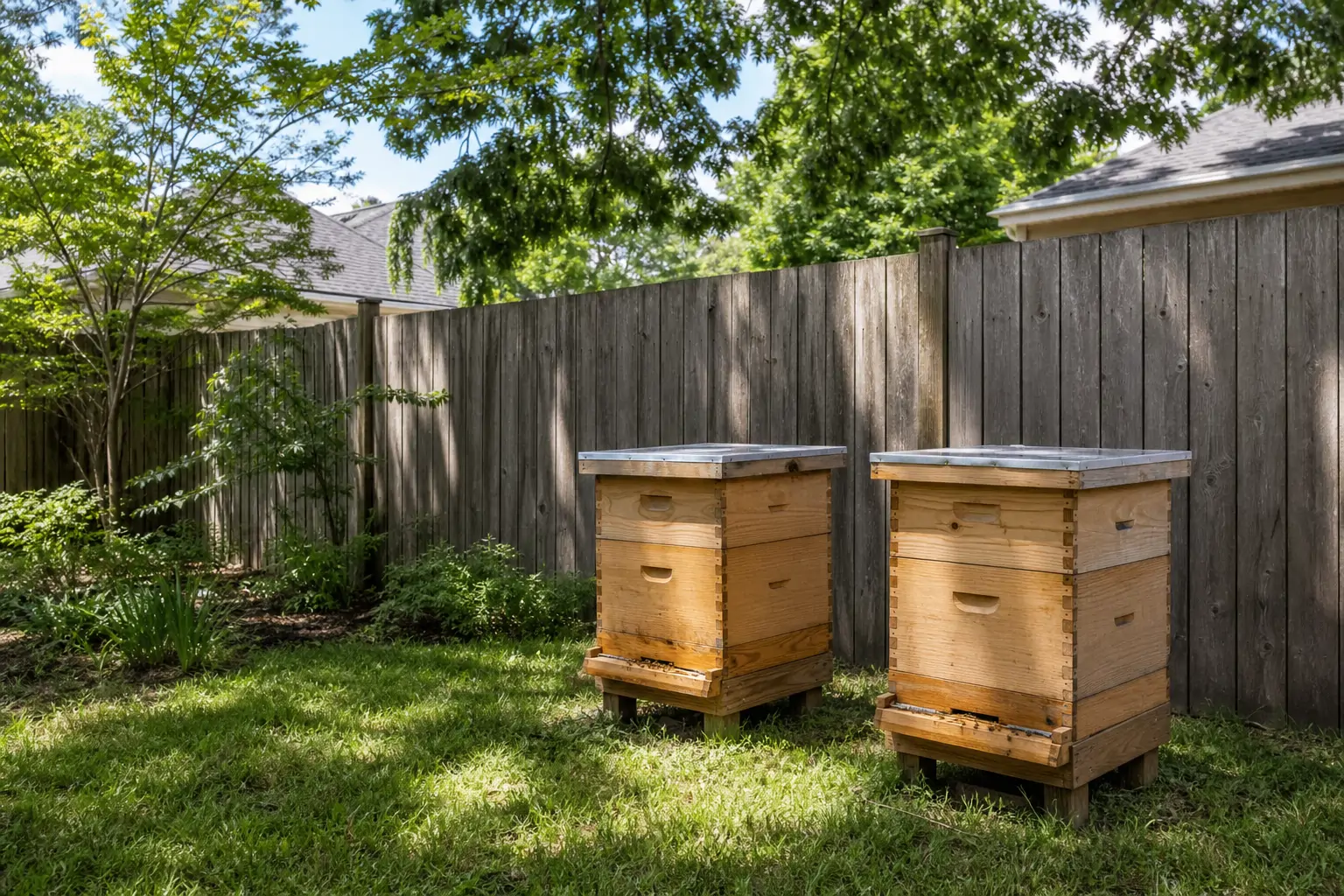
A less obvious oversight involves timing. Some cities require notifying immediate neighbors before installing a hive, and skipping that step, even when not strictly required, tends to generate more friction than a quick conversation would have. In practice, this often occurs when someone orders package bees for spring delivery without first confirming whether a permit application needs to be submitted weeks in advance, leaving them stuck holding bees with nowhere legal to place them.
Reaching out to a local beekeeping association near me search or attending beekeeping classes near me can also clarify unwritten enforcement norms that never show up in the code itself, since experienced local beekeepers often know which rules are actively enforced and which are rarely applied.
Takeaway: state registration, city zoning compliance, and neighbor relations are three separate obligations, and overlooking any one of them is the most common way beekeepers run into avoidable trouble.
Getting the legal groundwork right before ordering equipment or bees saves considerable stress later. Someone researching how to start beekeeping should treat this research phase as seriously as choosing a beekeeping starter kit or deciding where to place a beehive, since a hive that has to be relocated or removed after the fact costs far more than an hour spent reading a municipal code.
Rules will keep evolving as more cities adapt to backyard beekeeping's growing popularity, and staying current means checking back periodically rather than assuming a code read once will remain unchanged. A quick call to a city planning office or state apiary registrar, repeated every year or two, remains the simplest way to stay compliant without surprises.