Best Beehive for Beginners: Which Hive to Choose
Best Beehive for Beginners: Which Hive to Choose
Choosing a hive style is one of the first real decisions a new beekeeper has to make, and it's a decision that shapes almost everything that follows. The equipment you buy, how you inspect your bees, how much honey you can expect, and even how steep your learning curve turns out to be all trace back to this one choice. Yet most people searching for the best beehive for beginners run into the same problem: dozens of websites list hive types without ever explaining which one actually makes sense for someone starting from zero.
This matters because switching hive styles later is expensive and disruptive. Frames, boxes, and tools are rarely interchangeable between systems, so a poor first choice often means starting over rather than simply adjusting. Beginners, hobbyists deciding between one hive or several, and anyone comparing beginner beehive types before placing an order will find practical guidance here rather than a generic overview.
What follows is a direct comparison of the three hive designs most commonly recommended for new beekeepers in the United States, an honest look at their tradeoffs, and guidance on which hive should I buy given common goals like honey production, cost, or ease of inspection.
Comparing the Main Beehive Types
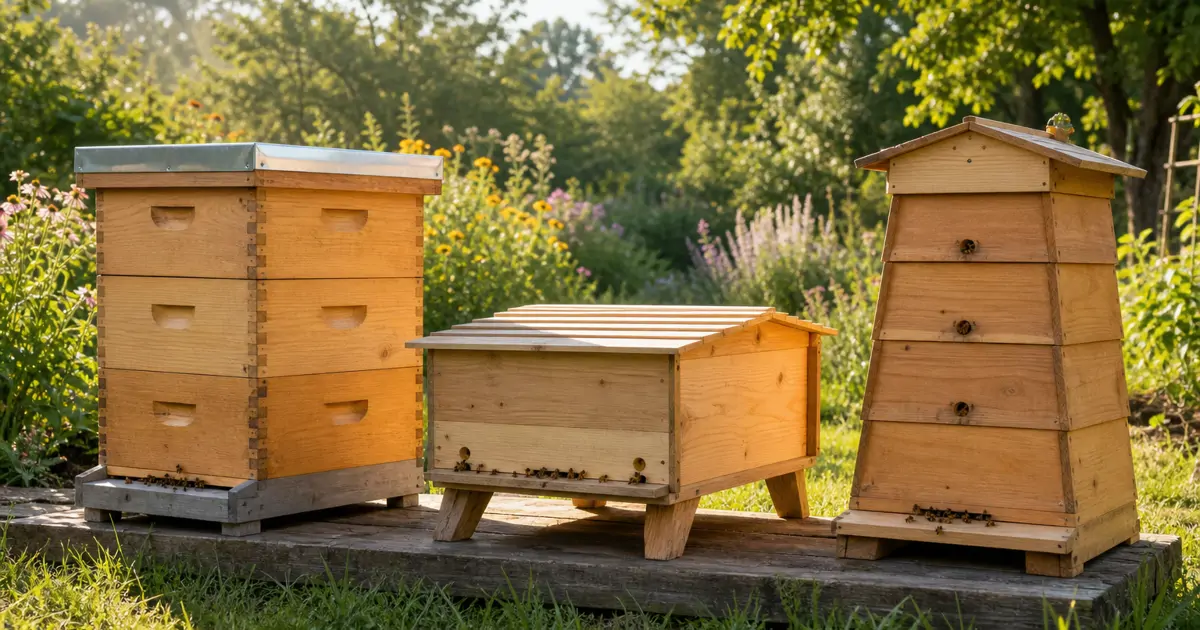
Three designs dominate backyard beekeeping in North America: the Langstroth hive, the top bar hive, and the Warre hive. A fourth option, the Flow Hive, has gained popularity mainly through marketing rather than widespread adoption among experienced keepers, but it deserves a mention since so many beginners ask about it. Each design handles bee biology differently, and that difference affects everything from harvest method to how often you need to open the hive.
| Hive Type | Learning Curve | Honey Yield | Startup Cost | Availability of Parts |
|---|---|---|---|---|
| Langstroth | Moderate | High | Moderate | Excellent |
| Top Bar | Low to Moderate | Moderate | Low | Limited |
| Warre | Moderate to High | Moderate | Moderate | Limited |
| Flow Hive | Moderate | High | High | Brand-specific |
Langstroth Hives
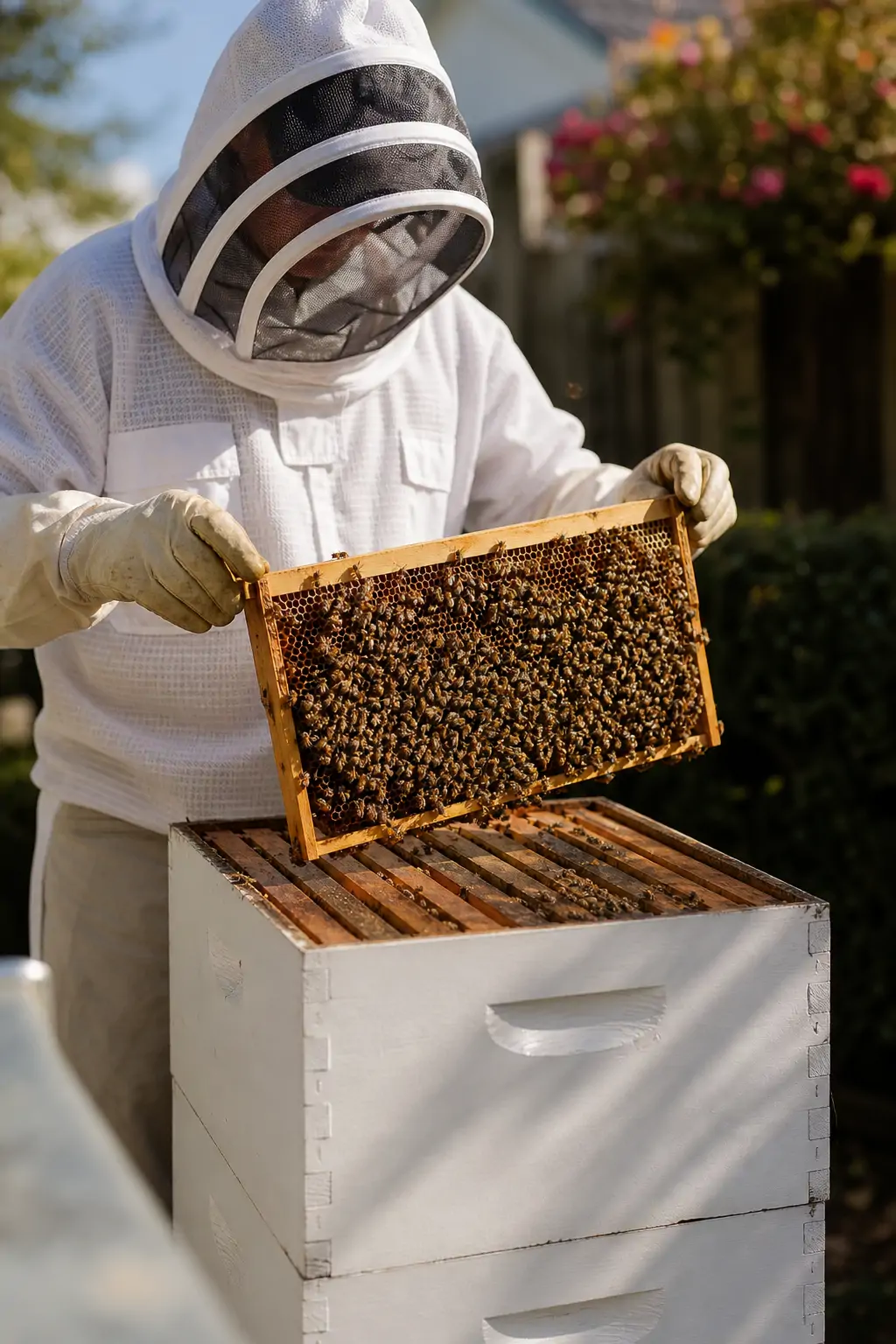
The Langstroth hive is the standard vertical box design most people picture when they think of beekeeping. It uses removable frames stacked in boxes called supers, which makes inspections straightforward and lets bees expand upward as the colony grows. Because it has been the dominant design in American beekeeping for over a century, replacement parts, extractors, and used equipment are easy to find, often through a local beekeeping association near me or regional supplier. This matters more than it sounds like it should; a beginner who damages a frame or needs an extra box in July shouldn't have to wait weeks for a specialty order.
Top Bar Hives
Top bar hives are horizontal, with bars laid across the top of a single long box instead of stacked frames. Bees build comb downward from each bar without foundation, which appeals to keepers who want a more natural, low-intervention approach. Inspections tend to be gentler on the bees' backs because there's no lifting of heavy boxes, though comb is more fragile and can break if handled carelessly. One frequently overlooked factor is that top bar comb cannot be spun in a standard extractor, so harvesting honey usually means crushing and straining, which reduces future comb reuse.
Warre Hives
The Warre hive was designed to mimic a tree cavity, with boxes added at the bottom rather than the top, a method sometimes called nadiring. Its proponents argue this better matches natural bee behavior, and it does require less frequent inspection once established. In practice, though, this hands-off philosophy can work against beginners, who generally benefit from opening the hive regularly to learn what a healthy colony looks like and to catch problems early. Because the design is less standardized, sourcing replacement parts can also be harder outside of specialty suppliers.
Flow Hives
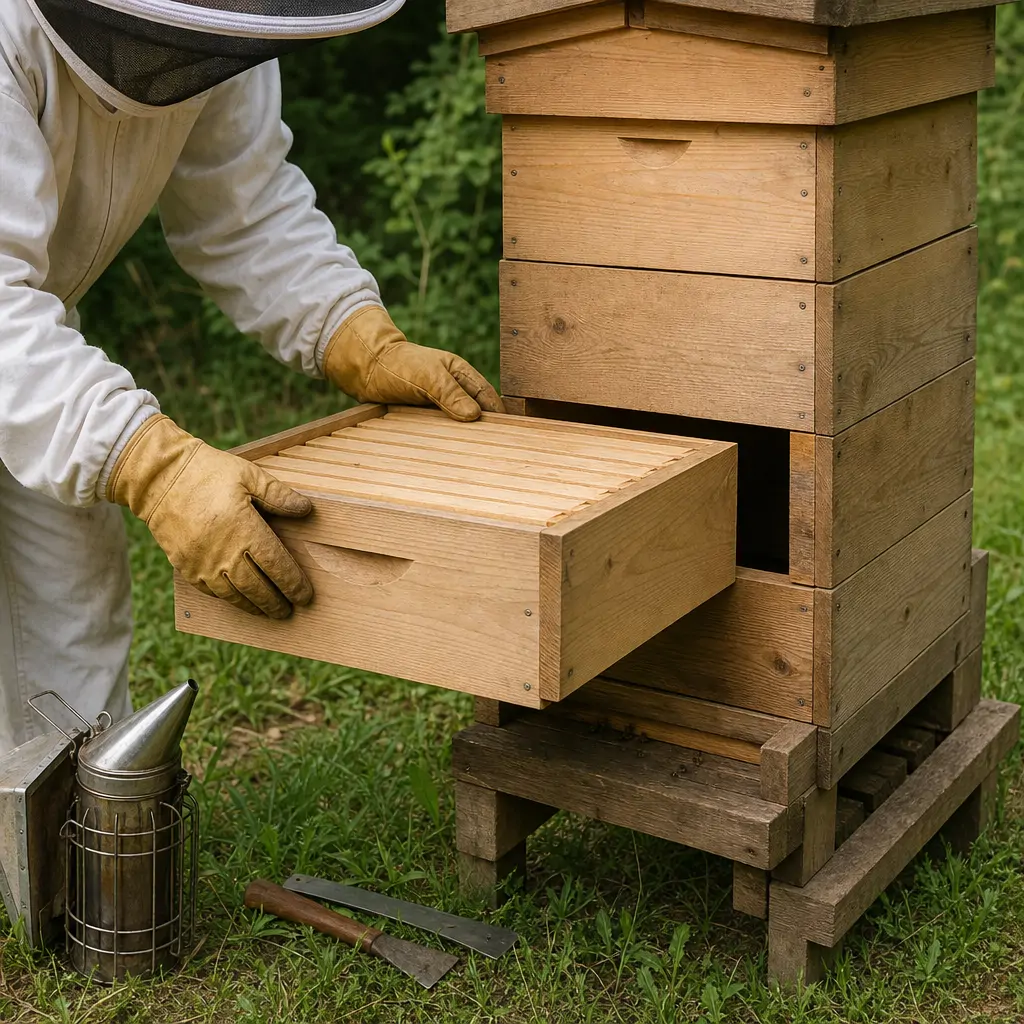
A Flow Hive is essentially a Langstroth-style box fitted with a patented frame system that lets honey drain from a spigot without opening the hive or using an extractor. The harvesting convenience is real, but the hive still requires full Langstroth-style management underneath for brood inspections, mite checks, and swarm prevention. Many new beekeepers assume the Flow Hive removes the learning curve of beekeeping itself; it doesn't. It only simplifies one part of one task, at a significantly higher price point than a comparable Langstroth setup.
Takeaway: Each hive style manages the same biological needs differently, and the design you choose determines how easily you can source parts, inspect the colony, and harvest honey later on.
Which Hive Should You Buy as a Beginner?
For most people asking which hive should I buy, the answer leans toward the Langstroth hive, and not because it's trendy. It's the easiest beehive to start with largely because of the surrounding ecosystem: local mentors, beekeeping classes near me, and even most nucs and packages sold by regional breeders are built around Langstroth frame dimensions. A beginner using this system can walk into nearly any local bee club meeting and get advice that directly applies to their setup.
That said, the right hive also depends on personal goals. Someone primarily interested in observing natural bee behavior with minimal honey harvesting might genuinely prefer a top bar hive, accepting the tradeoff in extraction convenience. Someone focused on maximizing honey production and easily finding replacement equipment during a hive placement or hive expansion decision will typically do better with Langstroth boxes.
A common mistake among first-year keepers is choosing a hive style based on aesthetics or a single persuasive video rather than practical support availability. A beautiful top bar hive built from a kit looks appealing until a colony swarms unexpectedly and there's no local mentor experienced enough with that specific design to help troubleshoot. Compatibility with local knowledge is often more valuable than the theoretical benefits of any one hive philosophy.
Takeaway: Langstroth hives offer the smoothest entry point for most beginners because of equipment availability and community support, though goals like natural management or minimal harvesting can justify choosing differently.
Advantages and Disadvantages of Each Hive Style
Weighing these designs side by side clarifies tradeoffs that get glossed over in generic buying guides. Langstroth hives are heavy to lift once full of honey, particularly for keepers with back or shoulder limitations, but their modularity means a struggling colony can be split or combined easily. Top bar hives are lighter and gentler to inspect but yield less honey per season and require more careful handling of fragile comb. Warre hives require the least frequent inspection but that same trait can mask early signs of disease or queenlessness in a first-year colony, since new keepers haven't yet learned what abnormal behavior looks like.
Cost is another overlooked consideration. While top bar hives are often the cheapest to build or buy initially, the long-term cost of beekeeping equipment for beginners can shift depending on hive style, since Langstroth accessories like extractors and extra supers are widely available secondhand, while specialty parts for other designs often aren't. Anyone budgeting for their first season should weigh this against the cost of beekeeping overall rather than just the price of the empty hive box.
A queen or colony showing unusual clustering, sluggish movement, or a sudden drop in activity may indicate a problem and should be evaluated by a qualified professional or experienced local mentor, regardless of which hive design is being used. Hive style affects management style, not the underlying biology of the bees themselves.
Takeaway: There's no universally superior hive design; the right pick balances physical ease of use, honey goals, and how much local support exists for that particular style.
Selecting a hive isn't really about finding the objectively best beehive for beginners in the abstract, since that hive doesn't exist. It's about matching a design to your goals, your physical capacity, your budget, and the resources available in your area. Most new keepers do best starting with a Langstroth setup simply because it's easier to get help with when something goes wrong, and something eventually will.
Whichever design you settle on, treat that first-season decision as a foundation rather than a final answer. Many experienced keepers eventually run more than one hive style once they understand their own preferences better, but starting with the system that offers the most local support and the gentlest learning curve puts the odds firmly in your favor.