Beekeeping Equipment for Beginners: A Complete Guide
Beekeeping Equipment for Beginners: A Complete Guide
Walking into a farm supply store or browsing an online beekeeping catalog for the first time can feel overwhelming. There are dozens of tools, gadgets, and accessories marketed to new beekeepers, and it is not always obvious which ones are genuinely necessary and which are optional extras that can wait. Understanding beekeeping equipment for beginners means knowing not just what each item does, but why it matters and when it earns its place in your setup.
This guide breaks down the actual components that make up a functional beekeeping starter kit, explains the reasoning behind each purchase, and highlights the mistakes that commonly trip up first-year beekeepers. Whether you are still deciding which hive should I buy or you already have a hive on order, this is meant to fill in the practical details that a general overview simply cannot cover.
By the end, you should have a clear sense of what belongs on your beekeeping supplies list, what can reasonably be added later, and where beginners most often overspend or underprepare.
What Belongs in a Beekeeping Starter Kit
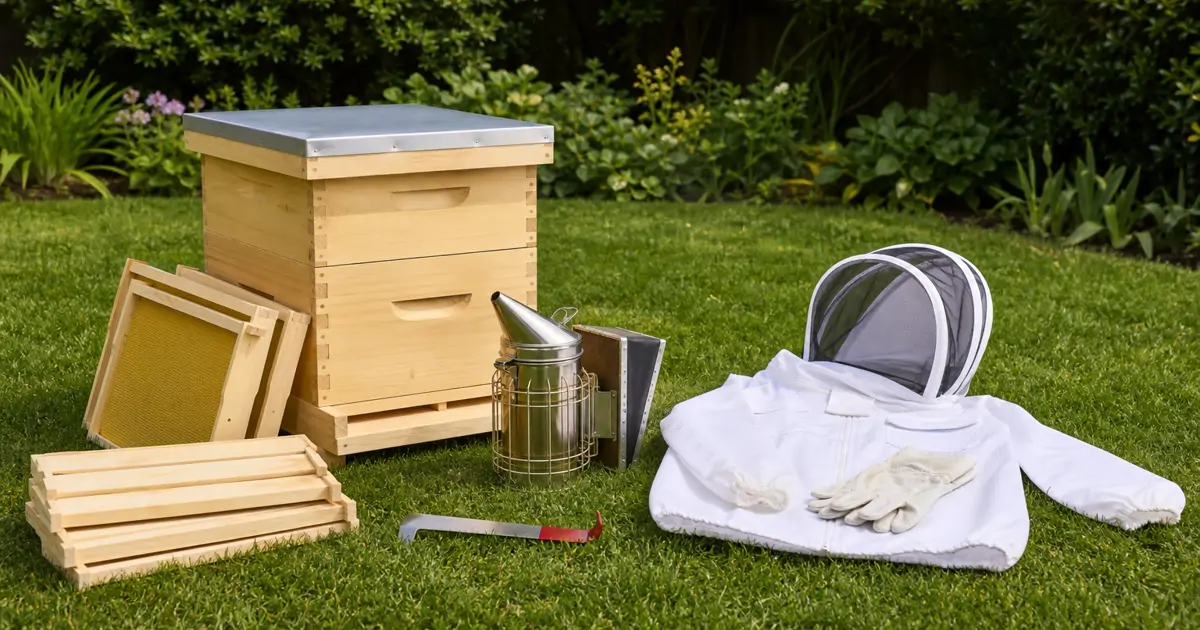
A beekeeping starter kit typically centers around the hive itself, but the hive is only useful once it is fully outfitted. At minimum, a functioning setup includes a hive body (or bodies), frames, foundation, a bottom board, an inner cover, and an outer cover. Skipping any one of these components leaves the colony vulnerable to weather, pests, or structural collapse of the comb.
Frames and foundation deserve more attention than most beginners give them. Frames hold the wax foundation sheets bees build comb onto, and the quality of that foundation affects how evenly bees draw comb in the first season. Cheap or warped frames can lead to crooked comb, which makes future inspections messier and increases the risk of damaging brood when frames are pulled. Buying slightly higher quality frames at the start is one of those small decisions that pays off repeatedly over the following months.
Choosing Between Hive Types
New beekeepers often assume there is one standard hive, but there are several designs in common use, each with different equipment requirements. Langstroth hives, the most widely used style in the United States, rely on stackable boxes and removable frames. Top bar hives use a horizontal layout with bars instead of frames, which changes how inspections and honey harvesting are handled. This decision affects nearly every other purchase that follows, since frames, extractors, and even protective gear sizing can vary depending on hive design.
Anyone still comparing options should think carefully about long-term goals before settling on the best beehive for beginners, since switching hive types later often means replacing most of the equipment already purchased. It is a far more consequential decision than it initially appears, and rushing it to save time upfront tends to cost more later.
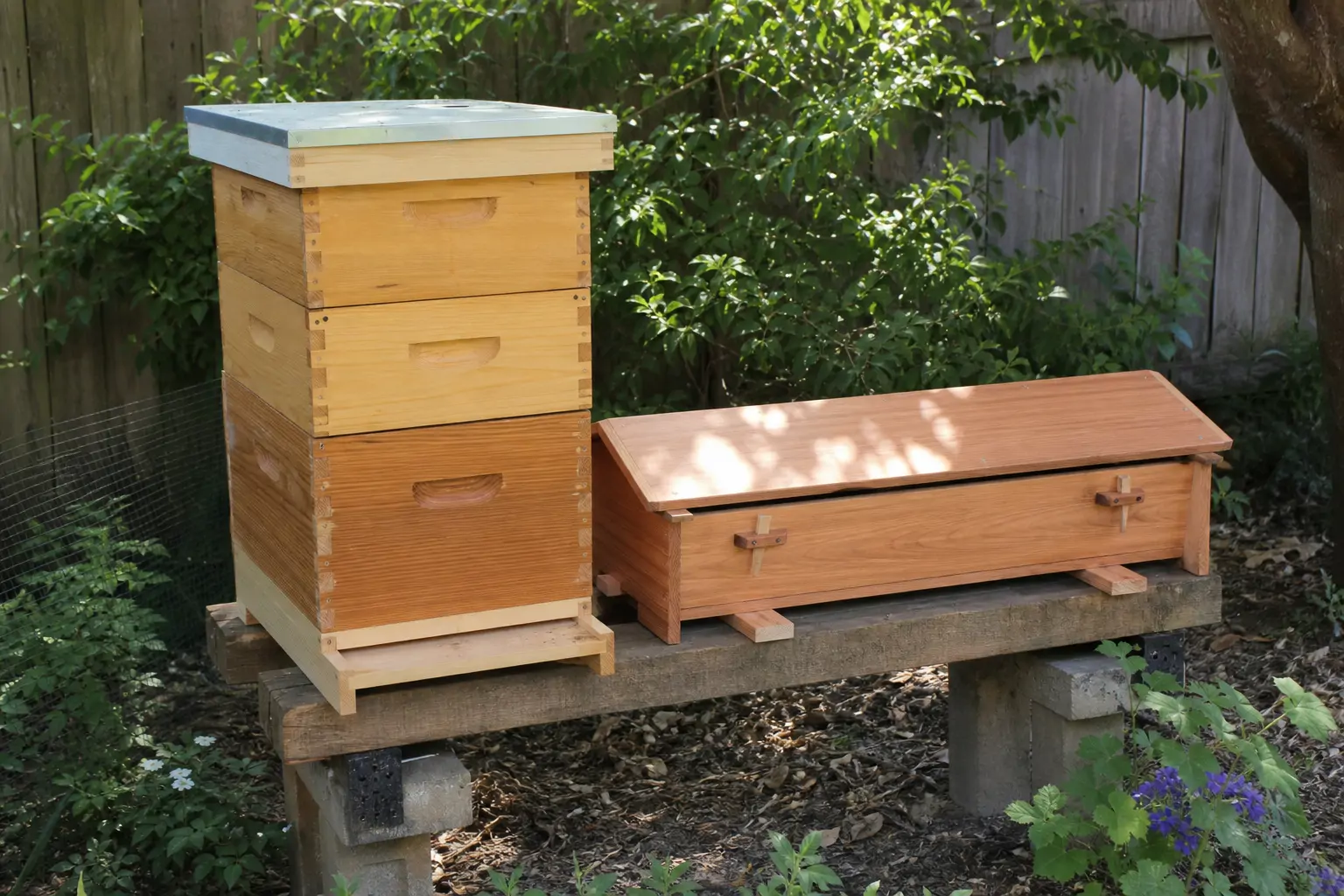
A quick takeaway: the starter kit is not just the hive box — it is the full set of components that make the hive livable, and skimping on frames or foundation quality creates problems that surface months down the line.
Essential Beekeeping Tools for Hive Management
Once the hive itself is sorted, attention turns to the essential beekeeping tools used to actually work the colony. These are the items beekeepers reach for during every single inspection, and they tend to wear out or get lost faster than people expect, so having backups is a reasonable early investment.
Smokers, Hive Tools, and Feeders
A smoker is arguably the single most important piece of equipment after the hive itself. Smoke masks the alarm pheromone bees release when disturbed, which keeps a colony calmer during inspections and reduces the likelihood of defensive stinging. Many new beekeepers underestimate how much practice it takes to keep a smoker lit consistently throughout an inspection, and a smoker that goes cold halfway through a hive check is a common and frustrating experience.
The smoker and hive tool combination forms the backbone of routine hive management. A hive tool is a flat metal bar used to pry apart frames and boxes that bees have sealed together with propolis, a sticky resin they produce. Without one, opening a hive can become a genuinely difficult, sometimes destructive process. A bee brush, used to gently move bees off frames before inspection or harvest, rounds out the core toolkit.
Feeding equipment is another category that beginners frequently overlook until it is urgently needed. New colonies, particularly those started from package bees, often require supplemental sugar syrup in their early weeks while they establish comb and forage routes. Entrance feeders, hive-top feeders, and frame feeders each work differently, and the right choice depends partly on hive design and partly on how often you are able to check and refill them.
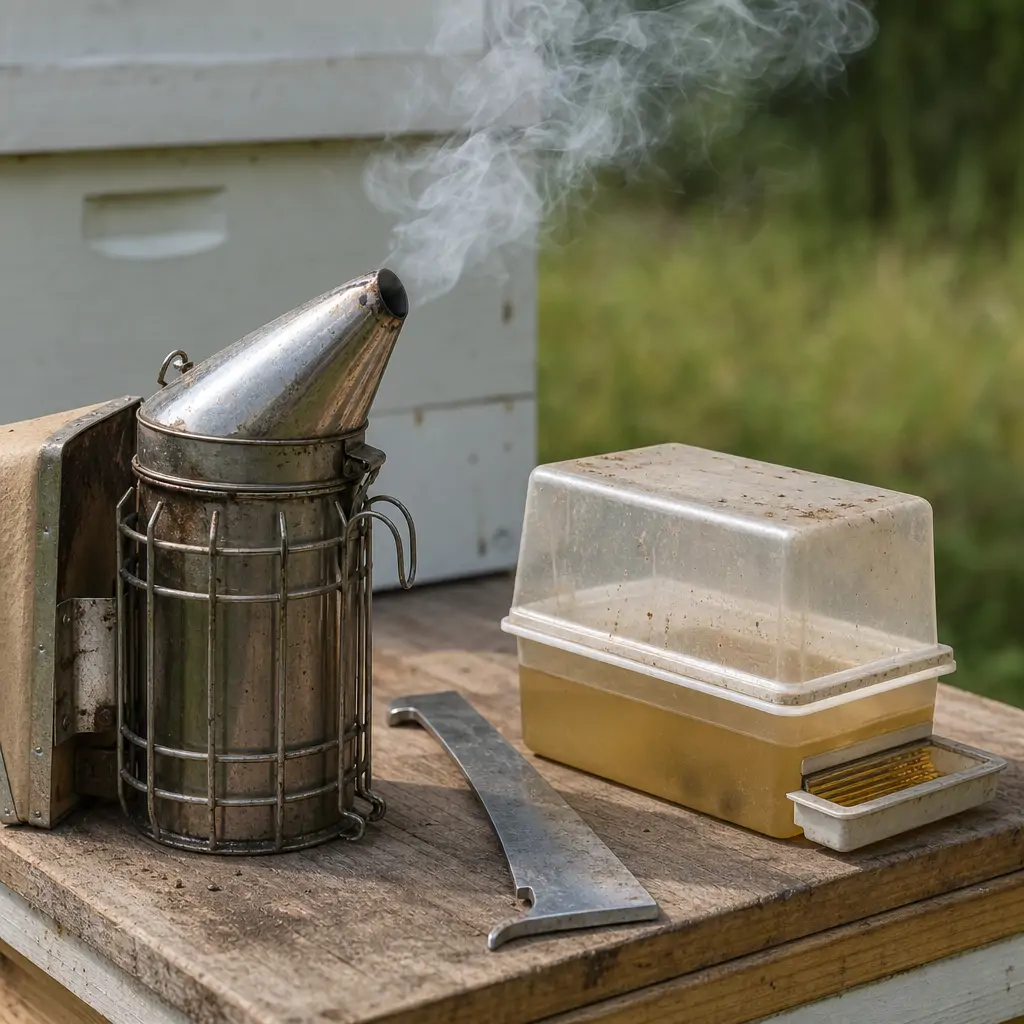
Takeaway: the smoker, hive tool, and a reliable feeding setup are used constantly, so investing in durable versions from the start avoids repeated replacement costs and frustration during inspections.
Protective Gear and Common Equipment Mistakes
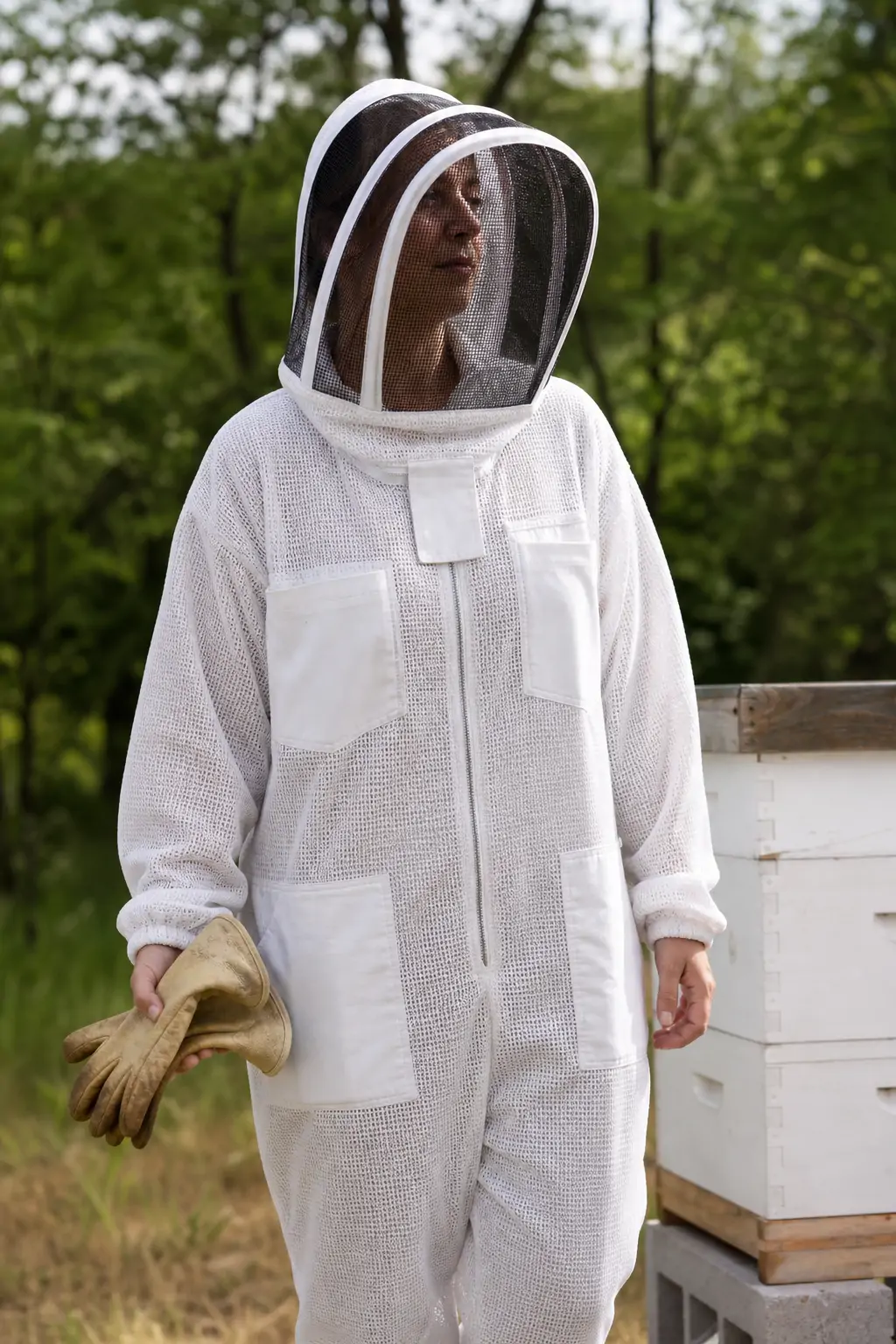
Protective gear is where personal comfort and safety intersect most directly. A full beekeeping suit, a separate jacket with an attached veil, or a standalone veil paired with regular clothing are all common configurations, and the right choice often comes down to climate, sensitivity to stings, and how the colony's temperament develops over time.
Suits, Gloves, and Veils
Ventilated suits have become popular in warmer regions because they reduce overheating during summer inspections, a genuine problem in much of the southern and central United States. Leather or canvas gloves offer strong sting protection but reduce dexterity, which matters when handling frames delicately. Thinner nitrile gloves offer more sensitivity but less protection, and some experienced beekeepers eventually work without gloves entirely, though that is not a reasonable starting point for someone new to handling bees.
A veil is non-negotiable regardless of what else is worn, since facial and neck stings are both more painful and, in rare cases, medically significant. Any swelling, difficulty breathing, or unusual reaction following a sting may indicate a problem and should be evaluated by a qualified professional. Choosing the best beekeeping gloves and a properly fitted bee veil and jacket combination is less about brand preference and more about matching gear to your comfort level and local climate.
Overlooked Items Beginners Regret Skipping
A surprising number of new beekeepers skip a dedicated bee brush, a spare queen excluder, or a simple hive stand, assuming these are optional extras. In practice, a hive stand keeps the colony off damp ground, discourages ants and other pests, and makes inspections physically easier on the back. Queen excluders, while debated among experienced keepers, help beginners keep brood and honey supers separated, which simplifies harvest later in the season.
Another recurring pattern involves underestimating storage needs. Extra frames, spare foundation, and replacement parts accumulate quickly, and a dry, secure storage space prevents wax moths and rodents from damaging unused equipment between seasons. This is rarely mentioned in basic supply checklists, yet it becomes a real issue by the second year of keeping bees.
Takeaway: protective gear should match your climate and comfort level rather than following a one-size-fits-all recommendation, and small accessories like hive stands and proper storage prevent problems that only become obvious after the first season.
Building out a complete beekeeping supplies list takes some trial and error, and no two setups look identical once climate, hive type, and personal preference are factored in. Still, the fundamentals rarely change: a sturdy hive with quality frames, a reliable smoker and hive tool, appropriate feeding equipment, and protective gear suited to your environment. Getting these basics right before your bees arrive removes a significant amount of stress from the first season and lets you focus on learning how your particular colony behaves.
Many new keepers find it useful to connect with others working through the same decisions, whether through beekeeping classes near me or a local beekeeping association near me, since equipment needs often become clearer once you see how experienced keepers in your own climate have adapted their setups.