Warre Hive Explained: Design, Pros, and Cons
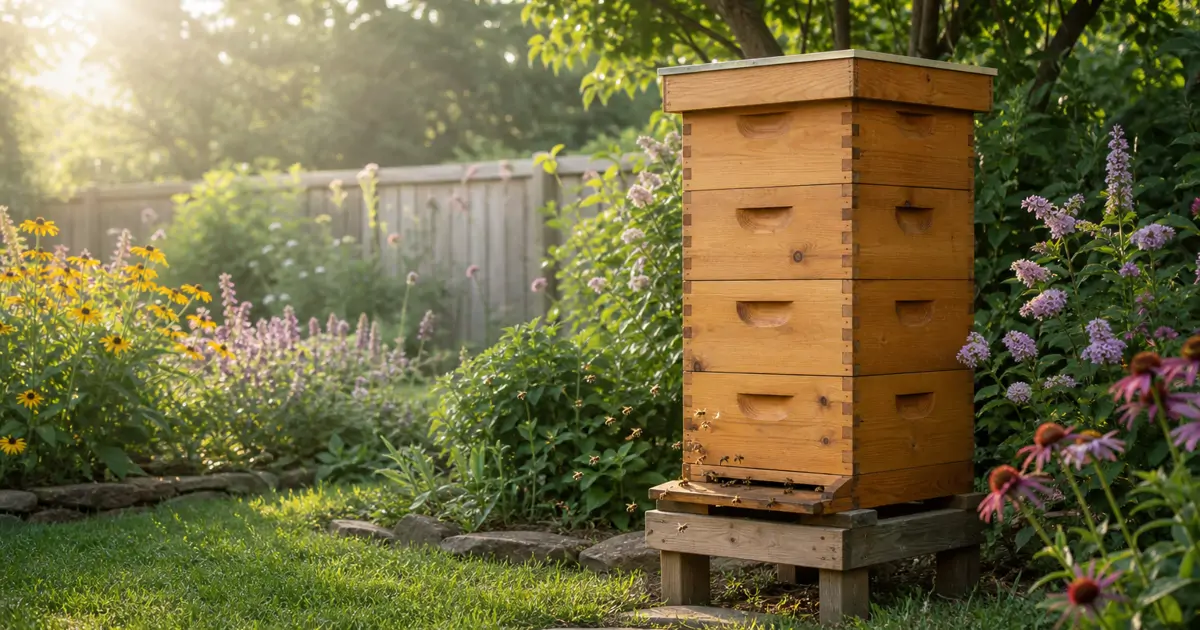
Warre Hive Explained: Design, Pros, and Cons
Among the three most common hive styles kept by backyard beekeepers, the Warre hive is the one that draws the most curiosity and the most confusion. It doesn't look like the boxy white towers most people picture when they think of beekeeping, and it isn't managed the same way either. Understanding what a Warre hive is matters because the design shapes almost everything about how a colony is inspected, fed, and harvested.
This style appeals to a specific kind of beekeeper: someone drawn to a low-intervention, bee-centered approach rather than maximum honey output. Backyard hobbyists, especially those interested in sustainable or naturalistic methods, are the audience most likely to consider one. But the Warre hive also comes with real trade-offs that rarely get discussed honestly in beginner guides.
This article breaks down the history and philosophy behind the design, walks through exactly how a Warre hive is built and functions, and lays out its practical advantages and disadvantages so you can decide whether it fits your goals as a backyard beekeeper.
What Is a Warre Hive, Really?
The Warre hive takes its name from Abbé Émile Warré, a French monk and beekeeper who spent decades in the early twentieth century testing hive designs with the goal of making beekeeping simpler and less disruptive to the colony. His book, often translated as "The People's Hive," argued that most commercial hive designs were built around human convenience rather than the natural behavior of bees. The hive he eventually settled on was meant to mimic conditions found in a hollow tree: a vertical cavity, minimal manipulation, and boxes added from below rather than above.
That last detail is the single biggest thing that separates a Warre hive from a Langstroth or a horizontal top bar hive. In a Langstroth setup, new boxes go on top as the colony grows. In a Warre hive, new empty boxes are added underneath the existing ones, a technique called nadiring. Bees naturally build comb downward and expand a nest from the top down, so proponents argue this matches their instinctive building pattern far more closely than stacking boxes upward.
It helps to think of the Warre hive as sitting philosophically between a Langstroth hive and a horizontal top bar hive. It uses top bars rather than full frames, similar to a top bar hive, but it stacks vertically in boxes, similar to a Langstroth. This hybrid nature is part of why so many people ask what is a Warre hive when they first encounter one at a local apiary or farmers market demonstration.
Warre Beehive Design and How It Works
A standard Warre beehive design consists of several square boxes, each roughly a foot across, stacked one on top of the other. Inside each box, bees build comb hanging from top bars rather than full frames with foundation. There's no queen excluder in the traditional design, no foundation sheets to guide comb shape, and typically no inspection of individual combs the way a Langstroth beekeeper would pull frames one by one.
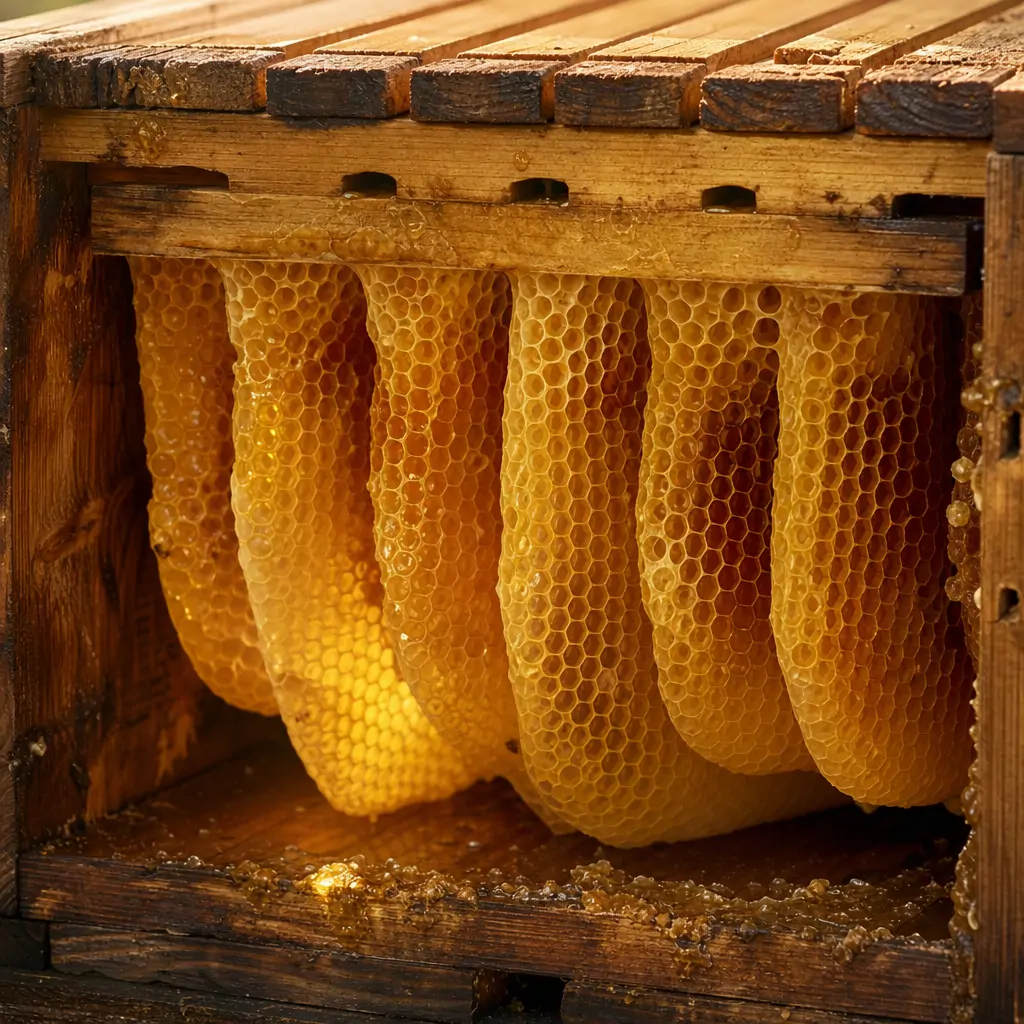
The absence of frames is intentional. Warré believed that letting bees build natural comb, uninterrupted by manufactured wax sheets, produced healthier colonies and more natural brood nest shapes. In practice, this also means Warre hive management looks very different day to day. Instead of lifting individual frames to check for eggs or disease, most Warre beekeepers observe activity at the entrance and judge colony strength by weight and behavior rather than by opening the hive frequently.
Box Stacking and the Nadir Method
Adding boxes underneath rather than on top sounds simple, but it changes the physical work involved substantially. To nadir a Warre hive, a beekeeper has to lift the entire stack of existing boxes off the base, set the new empty box down first, and then replace the stack on top of it. As a colony grows and boxes fill with honey, that stack gets heavy fast, sometimes upward of forty or fifty pounds per box. This is one of the more overlooked physical demands of the design, and it's worth factoring in before committing to it, particularly for beekeepers with back or mobility limitations.
The Quilt Box and Moisture Control
One feature unique to the traditional Warre beehive design is the quilt box, a shallow box placed above the top bars and filled with an absorbent material like wood shavings or sawdust, then topped with a cloth and a gabled roof. The quilt box manages humidity inside the hive, wicking away excess moisture generated by the colony while still allowing some insulation. Many beekeepers who switch from Langstroth hives are surprised at how effective this simple, low-tech solution is at preventing condensation buildup, which is a common cause of winter colony losses in poorly ventilated hives.
A well-managed vertical top-bar hive like the Warre relies on this passive ventilation system instead of the mesh screened bottom boards common in modern Langstroth setups, which is a meaningful difference for anyone comparing hive types side by side.
Takeaway: The Warre hive's design, from nadiring to the quilt box, is built around minimal disruption and natural comb building, but that same design demands more physical effort during expansion than most beginners expect.
Warre Hive Pros and Cons
No hive style is universally best, and weighing warre hive pros and cons honestly means looking past the romantic appeal of natural beekeeping and considering how the hive performs in everyday backyard conditions across a full season.
| Consideration | Advantage | Drawback |
|---|---|---|
| Colony management | Low intervention suits busy or hands-off beekeepers | Harder to spot disease or queen problems early |
| Honey harvest | Comb can be pressed for high-quality raw honey | Harvesting destroys comb, unlike reusable frames |
| Equipment | Simple, inexpensive materials, easy to build | Not standardized, so parts rarely interchange with other hive types |
| Physical demands | Boxes are individually lightweight | Nadiring requires lifting the entire stack repeatedly |
Where the Warre Hive Excels
Backyard beekeepers who prioritize a naturalistic approach over maximum honey yield tend to find the Warre hive rewarding. Because inspections are infrequent, colonies experience less thermal disruption from the hive being opened, which some beekeepers believe supports steadier brood development. The vertical footprint also takes up less horizontal space than a long top bar hive, which matters in smaller backyards. Building materials are inexpensive compared to milled Langstroth equipment, and the design lends itself well to DIY construction for anyone reasonably comfortable with basic woodworking.
Where the Warre Hive Falls Short
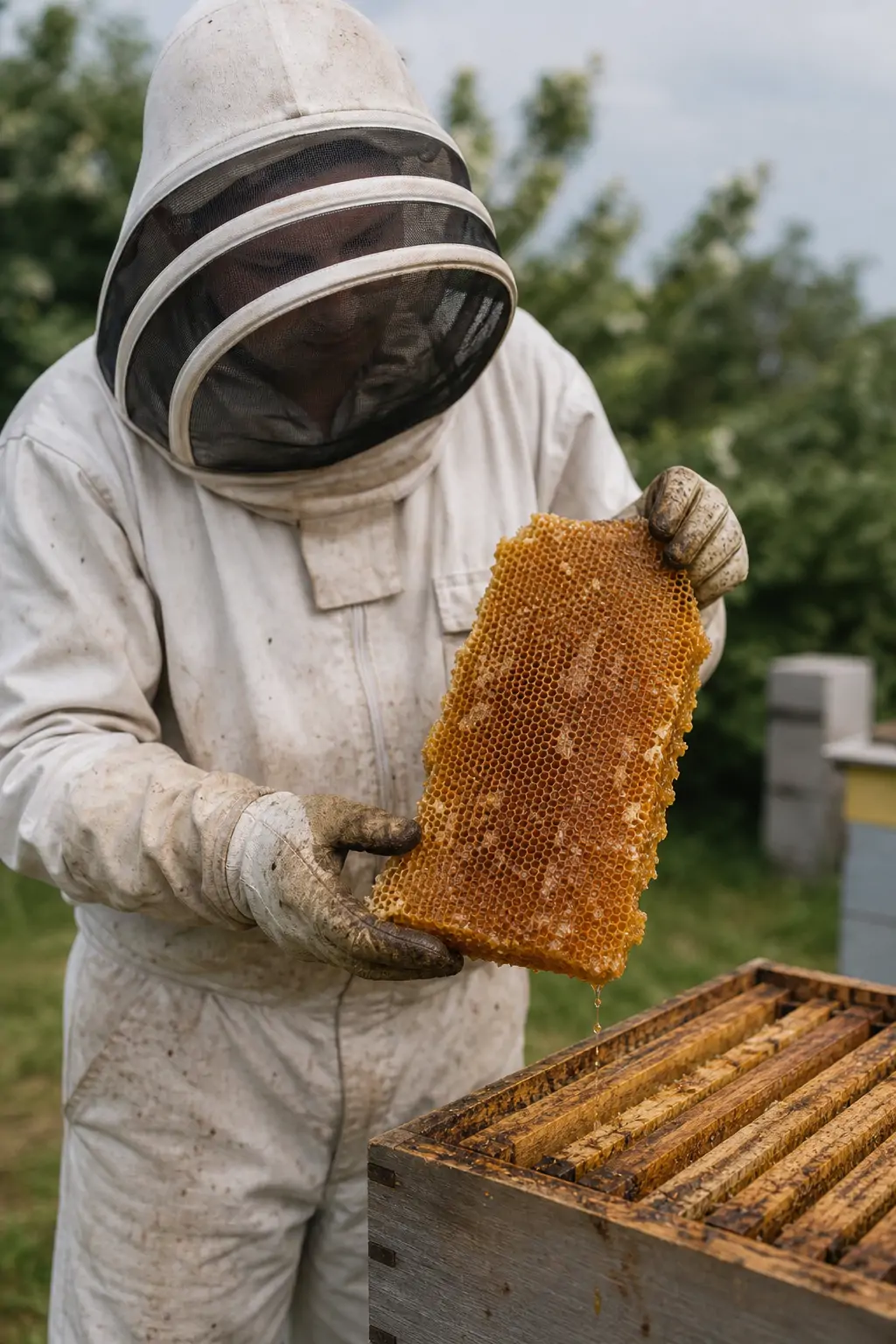
The trade-offs are real, and they're often underplayed in enthusiastic introductions to the design. Because there are no removable frames, inspecting for signs of disease, mites, or a failing queen is far more difficult. A beekeeper generally can't lift out a single comb to check brood pattern without cutting it free from the top bar, which damages the comb. This makes early detection of problems slower, and slower detection can mean a colony issue progresses further before anyone notices it. Any unusual smell, a sudden drop in entrance activity, or dead bees accumulating outside the hive may indicate a problem and should be evaluated by a qualified professional or experienced local beekeeper.
Honey extraction is another sticking point. Because comb isn't built on removable frames, harvesting typically means crush-and-strain methods that destroy the comb entirely, so bees must rebuild it from scratch the following season. That's a meaningful energy cost for the colony compared to hive styles where drawn comb can be reused year after year.
A common mistake among new Warre beekeepers is assuming "low intervention" means "no monitoring at all." In practice, successful Warre beekeeping still requires regular observation of entrance traffic, weight checks by hand or scale, and awareness of seasonal nectar flows to know when nadiring is actually necessary. Skipping this oversight is one of the more frequent reasons new colonies in Warre hives fail to make it through their first winter.
It's also worth noting that equipment availability is limited. Unlike Langstroth hive parts, which are produced by dozens of manufacturers and easy to source secondhand, Warre components are often handmade or purchased from a small number of specialty suppliers, which can complicate repairs or expansion down the line.
Takeaway: The Warre hive rewards patience and a hands-off philosophy, but it asks beekeepers to trade easy inspection and reusable comb for a more natural, lower-maintenance system.
Choosing between hive styles ultimately comes down to what a beekeeper values most. Someone weighing langstroth vs top bar hive options for ease of inspection may find the Warre's frameless design too limiting, while someone drawn to top bar hive for beginners advice because of its natural comb philosophy may actually prefer the Warre's more compact, vertical footprint. Considerations like hive stand height, chosen beehive paint colors, and whether a setup will remain stationary or be moved as part of migratory vs permanent hives arrangements all apply to Warre hives just as they do to any other design, and shouldn't be overlooked simply because the hive itself looks unconventional.
The Warre hive isn't the easiest style to manage, and it isn't the most productive in terms of raw honey volume, but it fills a specific niche for backyard beekeepers who want a design rooted in minimal disturbance and natural comb building. Understanding its quilt box ventilation, its downward-expansion method, and the real limitations around inspection and harvesting gives a much clearer picture than the surface-level descriptions found in most introductory hive comparisons.
Whether it's the right choice depends less on tradition or aesthetics and more on how much hands-on monitoring a beekeeper is willing to do, and how comfortable they are trading some convenience for a system built around the bees' own instincts.