Nosema Disease in Bees: Symptoms, Causes & Treatment
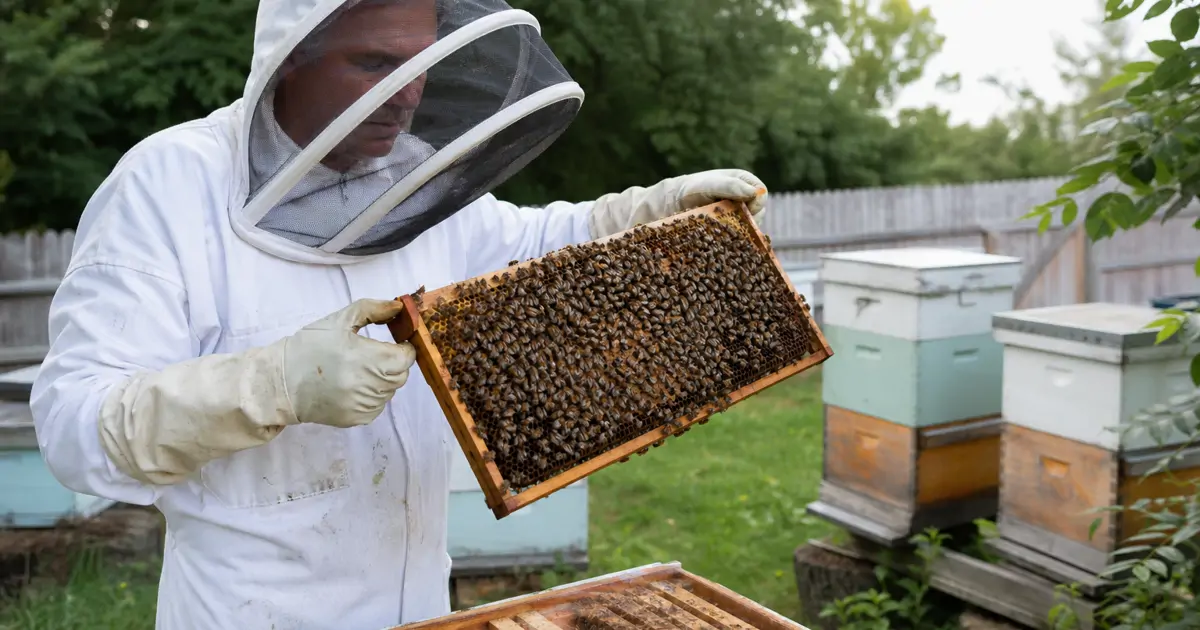
Nosema Disease in Bees: Symptoms, Causes & Treatment
Few honey bee ailments are as quietly destructive as nosema. It doesn't wipe out a colony overnight the way a robbing event or a pesticide drift incident might. Instead, it works slowly, sapping the strength of individual bees until a colony that looked fine in autumn stumbles into spring weak, undersized, and struggling to build back up. For backyard beekeepers, this makes nosema disease in bees one of the trickier problems to catch early, because the signs are easy to mistake for ordinary winter stress or old age in the colony.
This article goes beyond a basic definition. It walks through how nosema symptoms honey bees display actually look in a real hive, what conditions allow the parasite to take hold, and the practical steps involved in treating nosema in beehives once it's confirmed. Whether a colony has already shown warning signs or a beekeeper simply wants to understand the risk before it becomes a problem, the goal here is a clear, usable picture of the disease from start to finish.
Anyone who has dealt with a colony that never quite bounced back after winter, despite seemingly adequate stores and a healthy-looking queen, may already be dealing with the aftermath of a nosema infection without realizing it.
Recognizing Nosema Symptoms in Honey Bees
Nosema is caused by a microsporidian parasite that infects the digestive tract of adult bees, interfering with their ability to absorb nutrients from food. Because the damage happens internally, many of the visible signs of a sick beehive associated with nosema are indirect. Beekeepers often notice a colony that seems to be shrinking in population despite having a laying queen and adequate forage nearby. Individual bees may appear weak, move sluggishly, or cluster near the entrance rather than foraging normally.
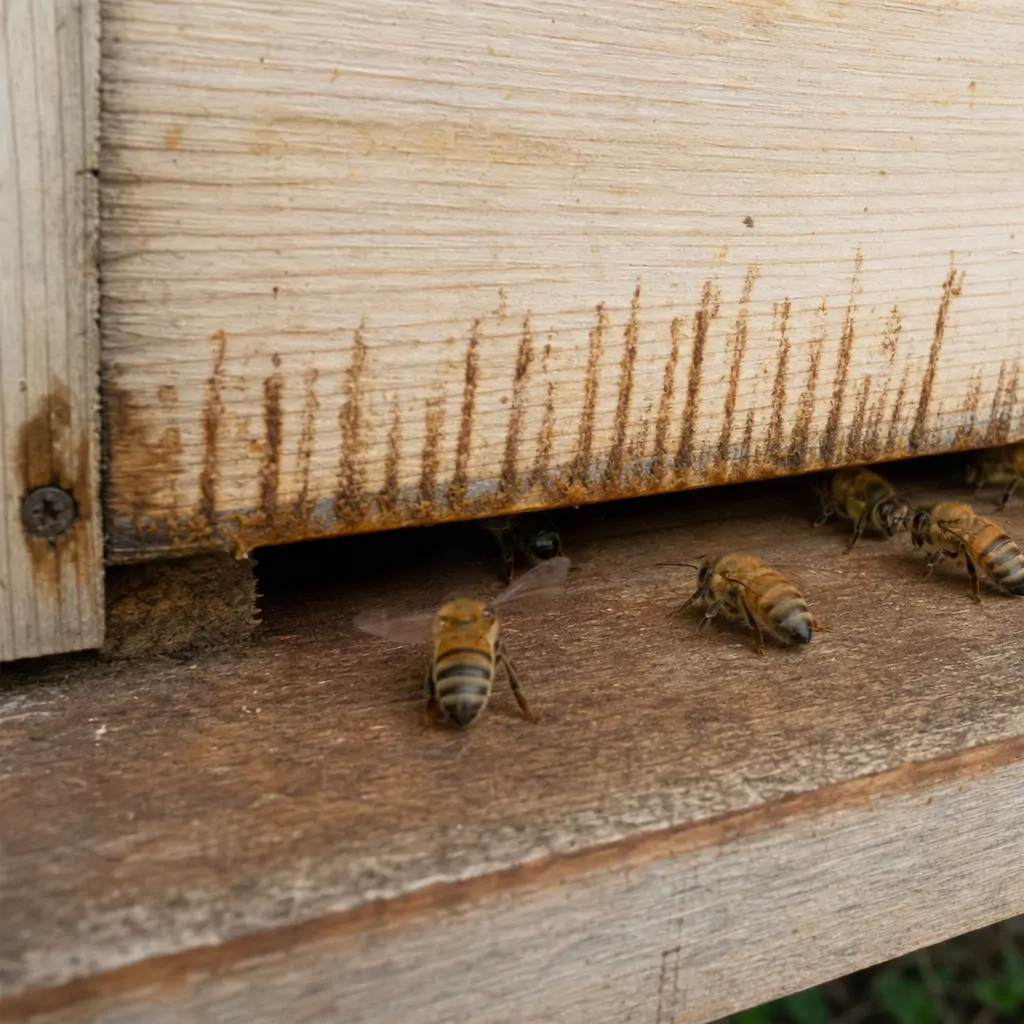
One of the more distinctive, though not universal, indicators is dysentery-like symptoms showing up as brown or yellowish streaking on the outside of the hive box, on frames, or near the entrance. This happens because infected bees sometimes lose the ability to hold their feces until they can leave the hive, particularly during confinement in cold weather. It's worth noting that fecal staining alone doesn't confirm nosema, since other stressors can produce similar streaking, but combined with population decline and lethargic bees, it raises the likelihood considerably.
Nosema apis vs Nosema ceranae
Two species are typically responsible for infections in managed colonies, and the distinction matters more than most beginner guides suggest. Nosema apis tends to produce the classic dysentery signs and is more closely tied to cold, damp winters when bees are confined and unable to take cleansing flights. Nosema ceranae, which has become more widespread in North American colonies over the past two decades, often causes a quieter, more chronic infection with fewer obvious external symptoms, yet it can still shorten the lifespan of individual foragers and gradually erode colony strength across an entire season, not just in winter.
This is a detail that many resources skip over, but it has real consequences. A beekeeper watching only for winter dysentery might overlook a ceranae infection that's slowly thinning out the workforce in July. In practice, colonies that seem to underperform all season without an obvious cause, and that don't show clear signs of varroa mite symptoms or queen failure, deserve a second look for nosema as a possible underlying factor.
Takeaway: nosema symptoms honey bees display range from obvious fecal staining to subtle, chronic underperformance, so ruling it out requires looking beyond winter dysentery alone.
What Causes Nosema to Spread in a Hive
Nosema spores spread primarily through fecal-oral contact. Bees pick up spores while cleaning contaminated comb, sharing food, or grooming infected nestmates, and the spores then germinate inside the gut once ingested. Because bees are constantly in close contact within the hive, a colony with even a modest initial infection can see spore levels climb quickly, especially when environmental conditions favor the parasite.
Cold, wet weather is one of the biggest contributing factors, particularly for Nosema apis. When bees can't leave the hive for cleansing flights during extended winter confinement, they're forced to defecate inside the hive or hold waste longer than is healthy, both of which increase spore concentration on comb surfaces. Poor hive ventilation compounds this, trapping moisture and creating exactly the damp conditions spores tolerate well. Overcrowded colonies, combs that are old and heavily used, and hives that have been under nutritional stress from a poor forage season are also more susceptible, since weakened bees have less resilience against the parasite's effects even if exposure levels are similar to a stronger colony.
Common Mistakes That Worsen Nosema Outbreaks
A frequent misstep is reusing old brood comb from a previously infected or weak colony without any consideration for spore buildup. Spores can persist on comb and equipment for a long time, and simply transferring frames between hives, a common practice when consolidating weak colonies, can unintentionally spread the infection to otherwise healthy bees. Another overlooked mistake is assuming that any hive with a strong population going into fall is automatically low-risk. Nosema ceranae in particular can be present at low levels in a seemingly healthy colony and expand rapidly once winter stress sets in, catching beekeepers off guard in early spring.
A third common error is confusing nosema with other issues entirely. Weak spring buildup, spotty brood patterns, and irritable bees are frequently attributed to a failing queen or to varroa mite treatment gaps, when nosema may be a contributing or even primary cause. Without lab confirmation, it's easy to treat the wrong problem and watch the colony continue to decline.
Takeaway: spore transmission is driven by hive conditions and beekeeper handling as much as by the parasite itself, which means prevention is largely within a beekeeper's control.
Treating Nosema in Beehives and Preventing Recurrence
There is no simple over-the-counter cure that eliminates nosema spores from a hive entirely, which surprises many beekeepers used to more straightforward pest treatments. Historically, the antibiotic fumagillin was the standard treatment fed through sugar syrup, and it can still reduce spore loads in some regions where it remains legally available, but it does not eradicate the parasite completely and resistance concerns have made some beekeepers reconsider routine use. Because regulations and product availability vary by state, anyone considering medicated treatment should check current guidance for their region before purchasing anything.
In practice, most successful management of nosema disease in bees leans heavily on hive management rather than medication alone. This includes replacing old, dark comb on a rotating basis, since spores accumulate on comb surfaces over repeated brood cycles. Ensuring good hive ventilation reduces the damp conditions spores favor, and this ties directly into good practices around winterizing a beehive, where proper airflow prevents condensation from building up inside the box during cold months. Feeding colonies adequately going into fall so bees enter winter in strong nutritional condition also improves their ability to tolerate a mild infection without it becoming a colony-threatening event.
Requeening a heavily infected colony with a genetically robust, mite-resistant line can help as well, since some bee stock shows better tolerance to nosema than others, though this isn't a guaranteed fix on its own. Reducing overall colony stress, whether from overcrowding, inadequate stores, or an unresolved varroa mite infestation running alongside the nosema outbreak, gives the colony a better chance of managing the parasite without collapsing under combined pressure. Many of the same practices that reduce colony collapse disorder risk broadly also happen to reduce nosema severity, which is one reason general hive health maintenance pays off across multiple threats at once.
When to Consult a Professional or Bee Inspector
Because nosema symptoms overlap so heavily with other hive problems, a confident diagnosis usually requires microscopic examination of bee samples, something most backyard beekeepers aren't equipped to do themselves. State apiary inspectors, agricultural extension offices, and diagnostic labs affiliated with universities often offer sample testing services, sometimes at low or no cost, for hobbyist beekeepers who submit dead or dying bees for analysis.
A colony showing unusual lethargy, unexplained population decline, or dysentery symptoms that don't resolve with weather improvement may indicate a problem and should be evaluated by a qualified professional rather than treated based on guesswork. This is especially true if similar symptoms are appearing across multiple hives in the same apiary, since that pattern often points toward an underlying disease issue rather than an isolated colony weakness. Waiting too long to seek confirmation allows spore levels to climb and increases the risk of spread to neighboring hives through shared equipment or drifting bees.
Takeaway: lab confirmation removes the guesswork from treating nosema in beehives, and it prevents beekeepers from misdirecting effort toward the wrong underlying cause.
Nosema disease rarely announces itself the way more dramatic hive problems do, which is exactly why it catches so many beekeepers by surprise. A colony that seems to limp along for no obvious reason, particularly after a wet winter or a stretch of nutritional stress, deserves a closer look rather than an assumption that things will simply improve on their own.
Good sanitation, comb rotation, adequate ventilation, and attentive monitoring throughout the season go a long way toward keeping spore levels manageable. When symptoms do appear, getting a proper diagnosis before choosing a treatment path saves time, protects other colonies in the apiary, and gives a struggling hive the best possible chance to recover fully.